
FEATURED WORKS
JARED S. TARBELL
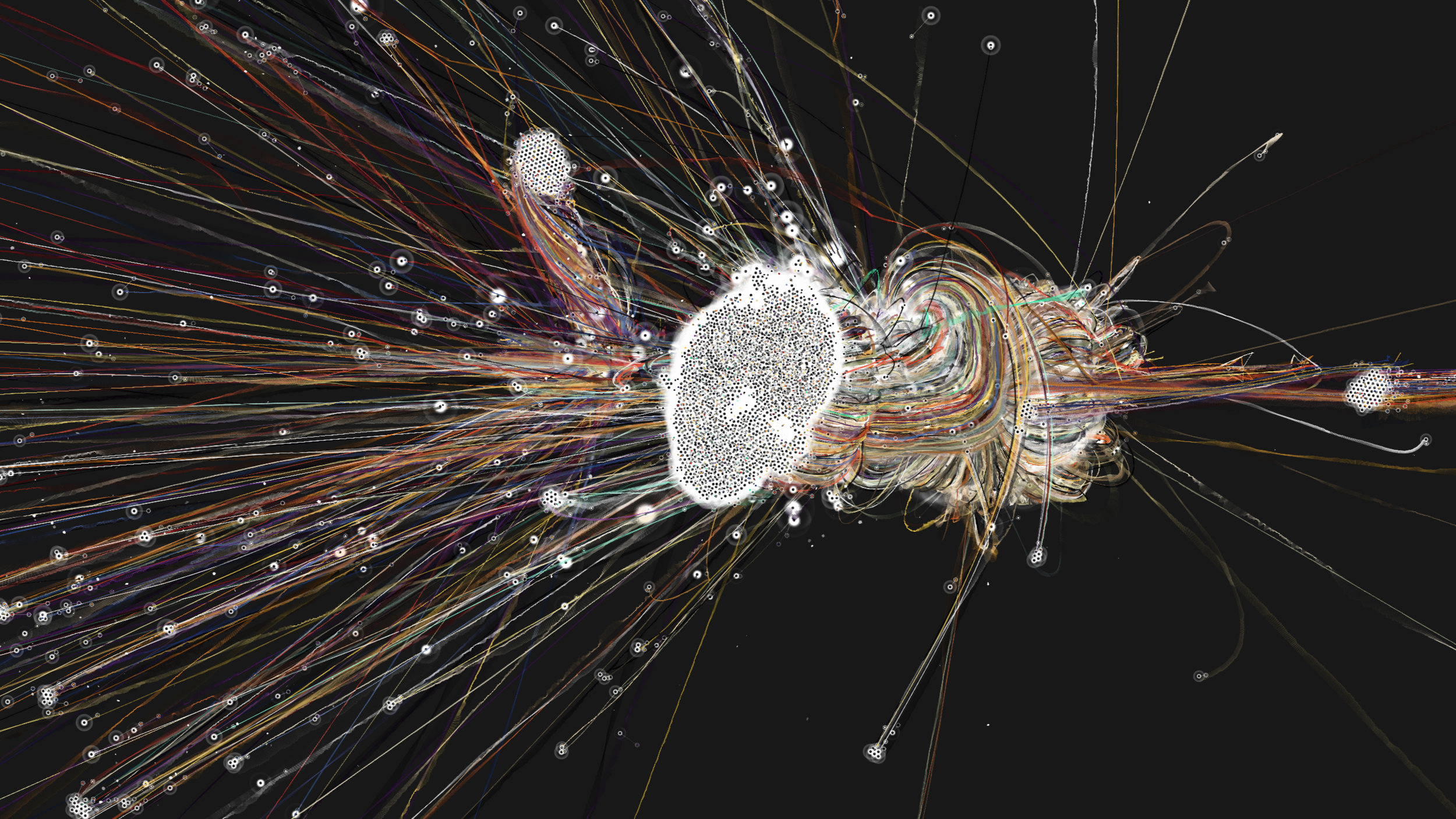
Gravity, 2026
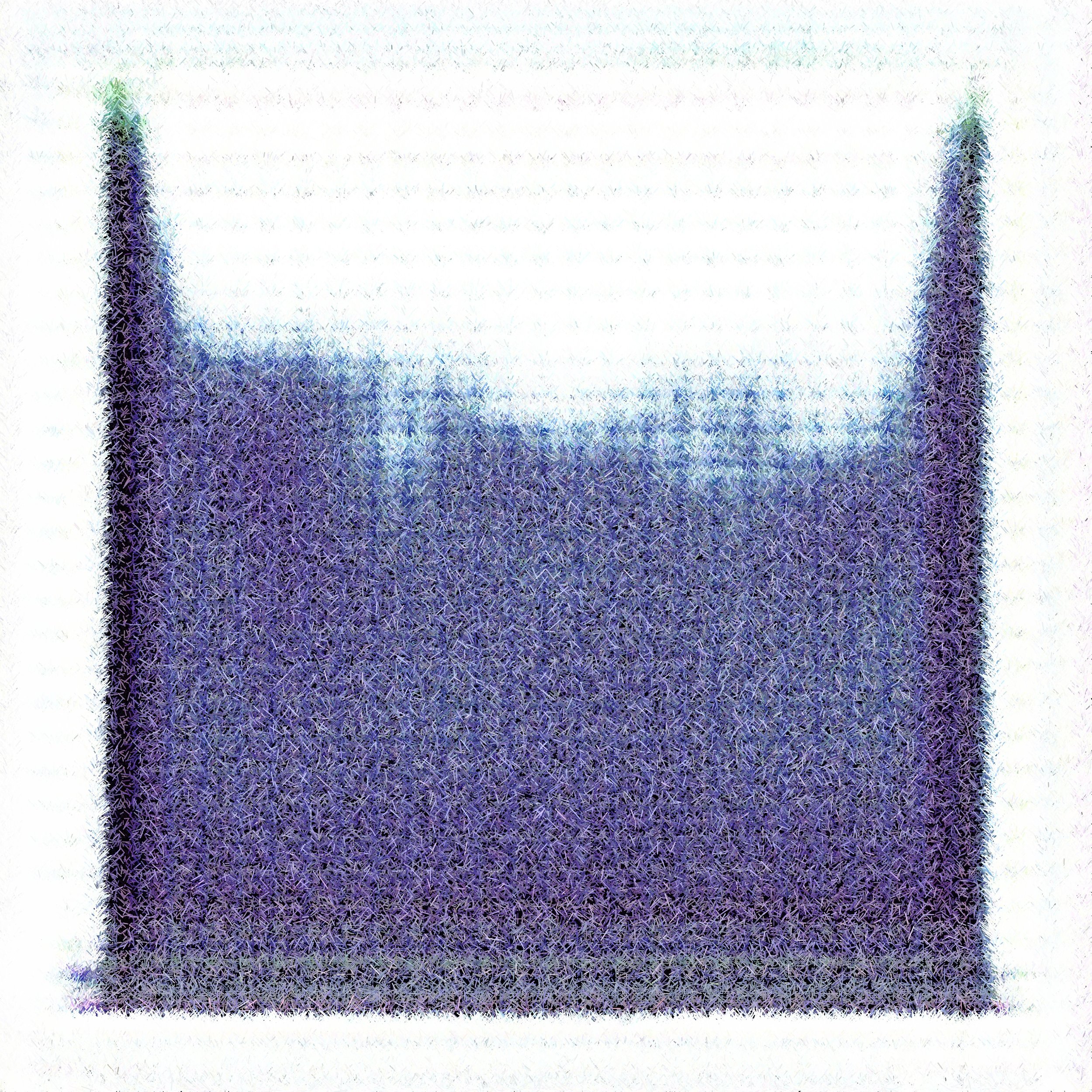
Gravity explores emergent forms resulting from simple gravitational attraction and billiard ball style collision physics. Each particle is a point mass that attracts every other through Newtonian gravity. When particles collide, they bounce with a partial restitution, so some kinetic energy is lost and heat accumulates as a record of how violently they have interacted. Each particle trails a colored pendulum that sandpaints pixels as it swings. The pendulum is a soft elastic body providing visible strokes of both the path of the particle and its inertia. In this way we see a history of structure.
The work is a living drawing. When large numbers of particles begin to amass, energy builds within the system. The mass sometimes appears to breathe, pulsating and spinning while negotiating equilibrium. At a certain threshold, the mass will explode, destroying the structure and ejecting particles at high energy in all directions. In every case, particles dance and spiral in and out of ordered structure.
Interactive controls include the mouse and keyboard. Clicking deposits a small mass of particles at the cursor location. Holding SHIFT and clicking creates a temporary particle emitter. Holding SHIFT and CTRL while clicking creates a laminar plane of particles. The number keys 0-6 create various initial conditions. Press ? for complete interactive controls.
Prolonged inactivity hands the work over to itself. The program begins creating endless compositions in an unattended mode.
First programmed in Processing, later rewritten for the GPU.
I find the uncertain moments of disorder just before explosions most interesting.

“I love being surprised by the patterns and behaviours that I could not have predicted, even with full knowledge of the underlying rules.”
— Jared S. Tarbell
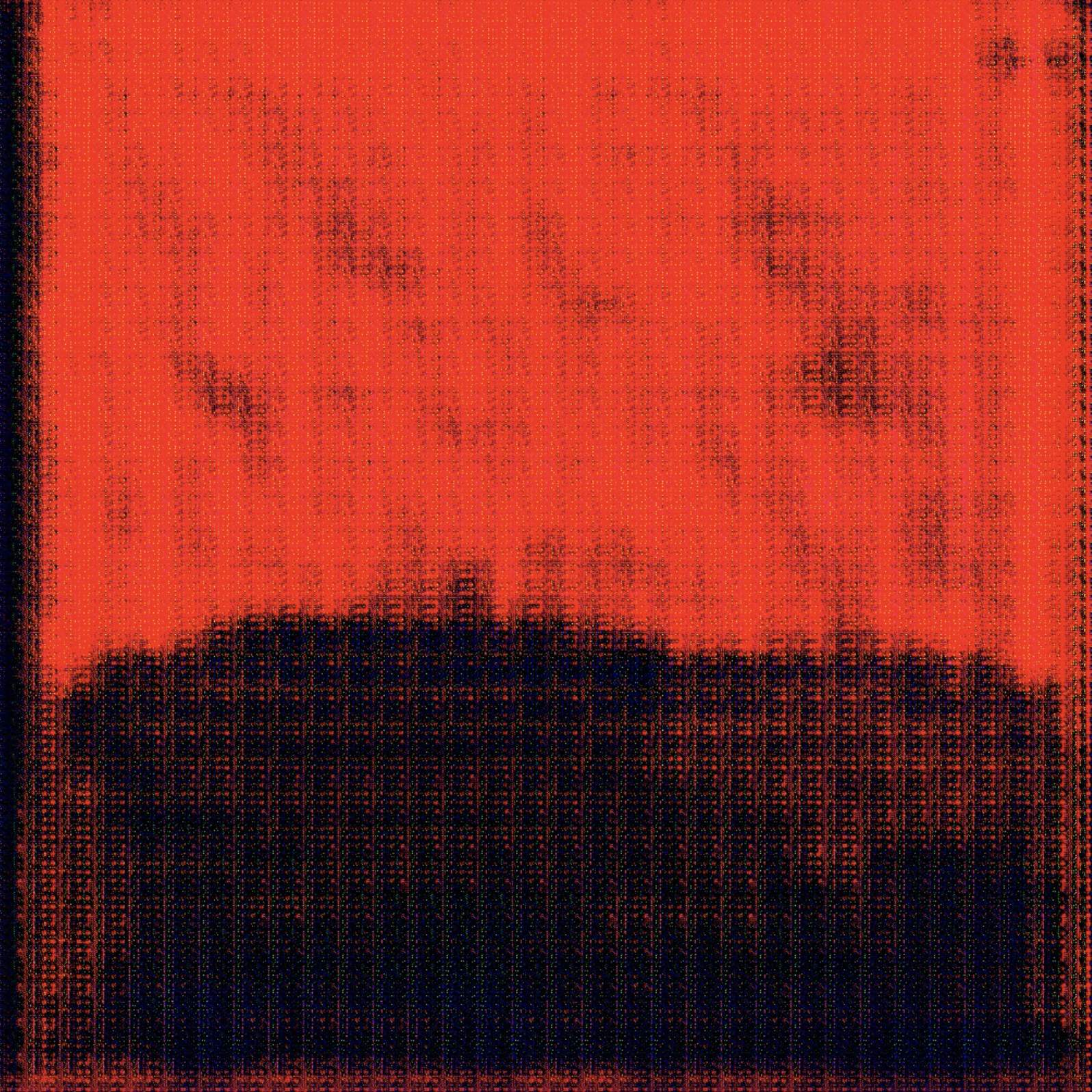
Young's Life trains a Generative Adversarial Network on Conway's Game of Life as it runs -- a cellular automaton in which elaborate behavior emerges from four simple rules. While his earlier Tabula Rasa and Learning Nature constrain the machine's data, here the constraint is conceptual: a modern learning system set to watch one of computing's oldest models of emergence, an ancestor of its own founding idea. The GAN generates images from what it observes, which Young then manipulates with his own code. What returns is not Life as we recognize it -- the system renders the familiar as something strange, a reminder that these technologies perceive the world otherwise than we do.
David Young, Life (b72d,m,2259,3+4,c-20,6,8,17,2,13-ca) and Life (b72b,m,3300,d-20,6,2,15,52,55-ca), 2020.
Life, 2020
-
![]()
Life (b72b,m,3300,d-20,6,2,15,52,55-ca), 2020
-
![]()
Life (b72d,m,2259,3+4,c-20,6,8,17,2,13-ca), 2020
-
![]()
Life (b72b,m,3300,d-20,6,2,15,53,17-ca), 2020
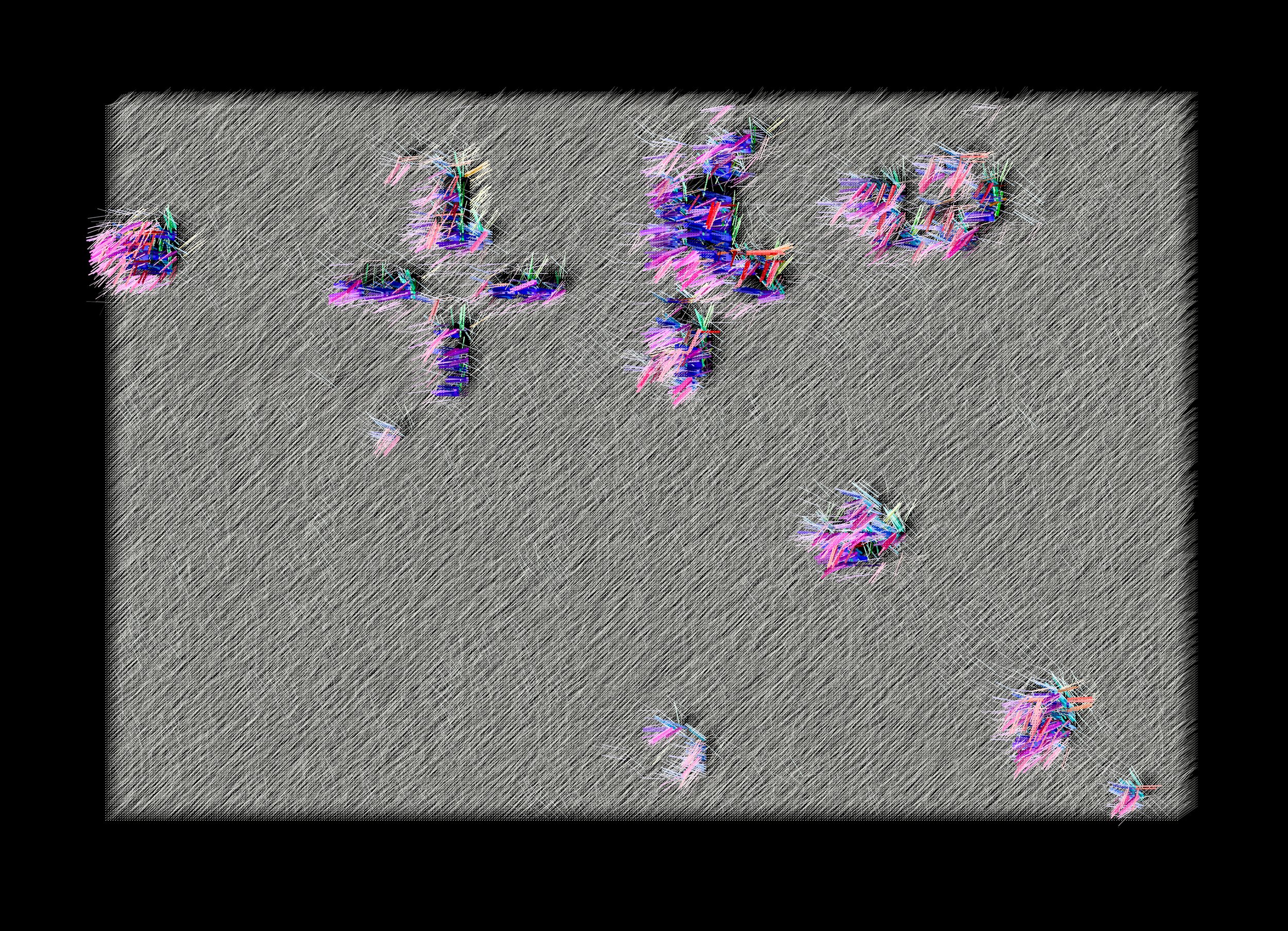
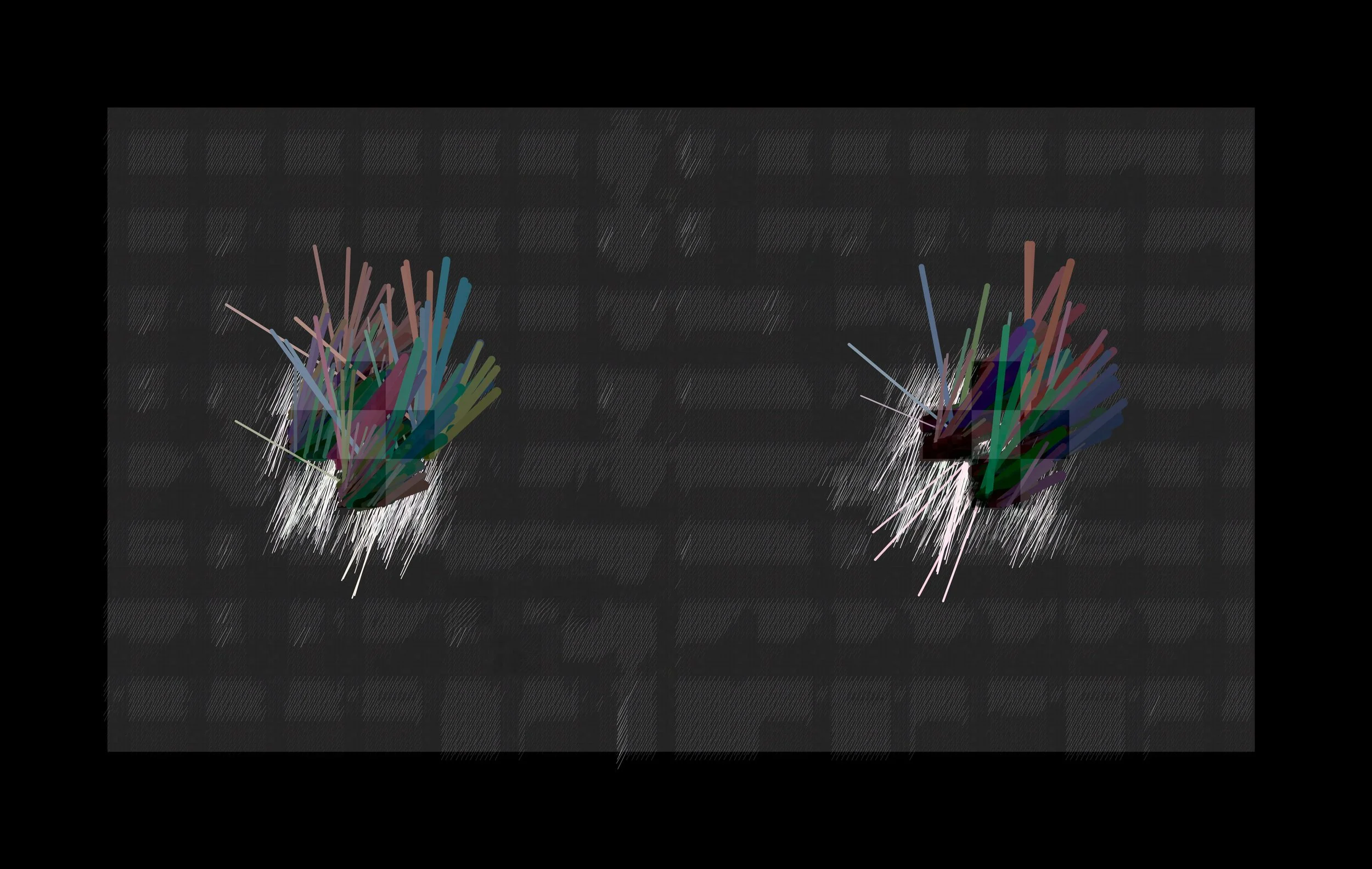
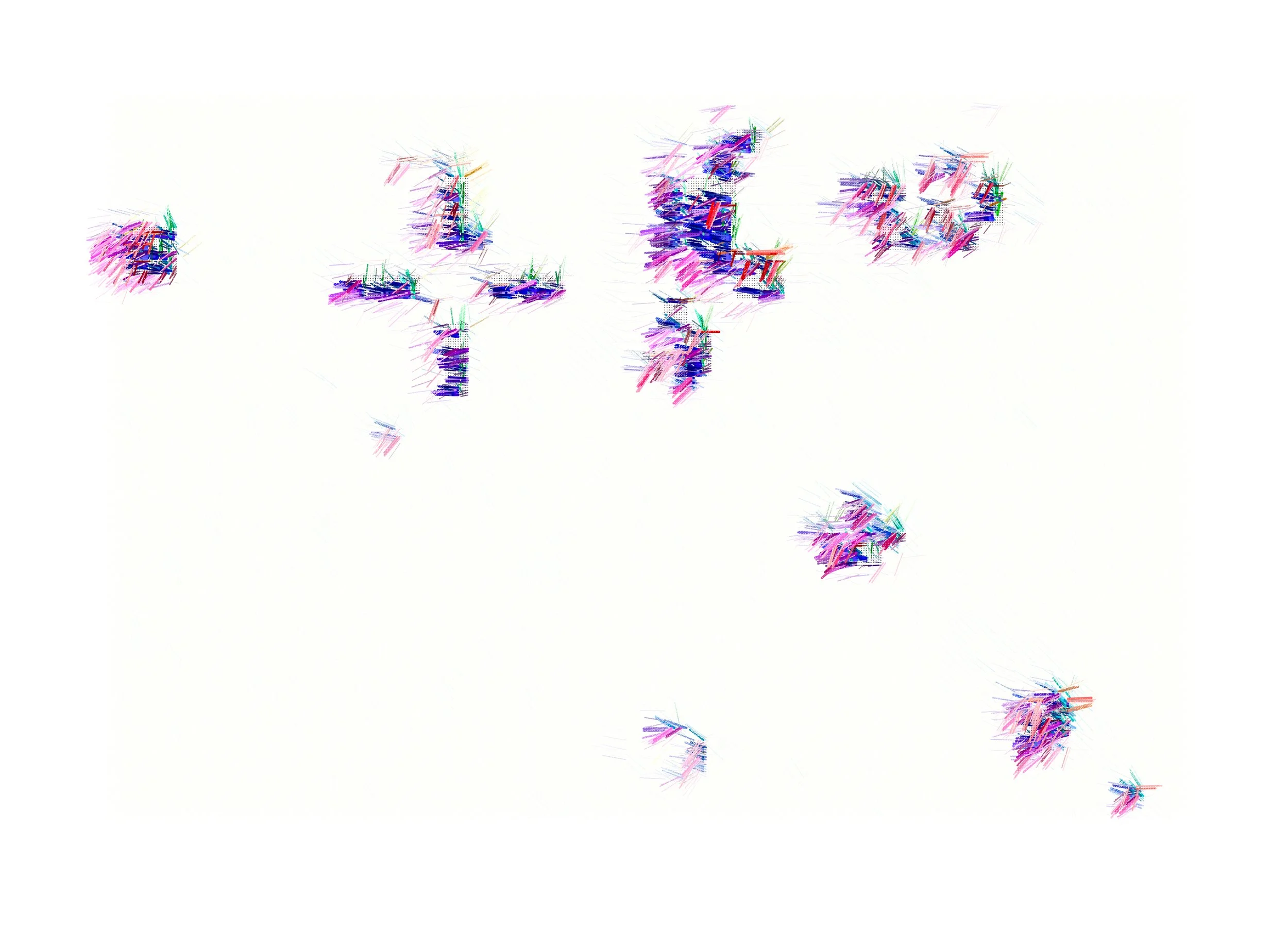
“The images revealed a tension between the machine-nature of the code and the strangely organic behavior of its neural network.”
— David Young
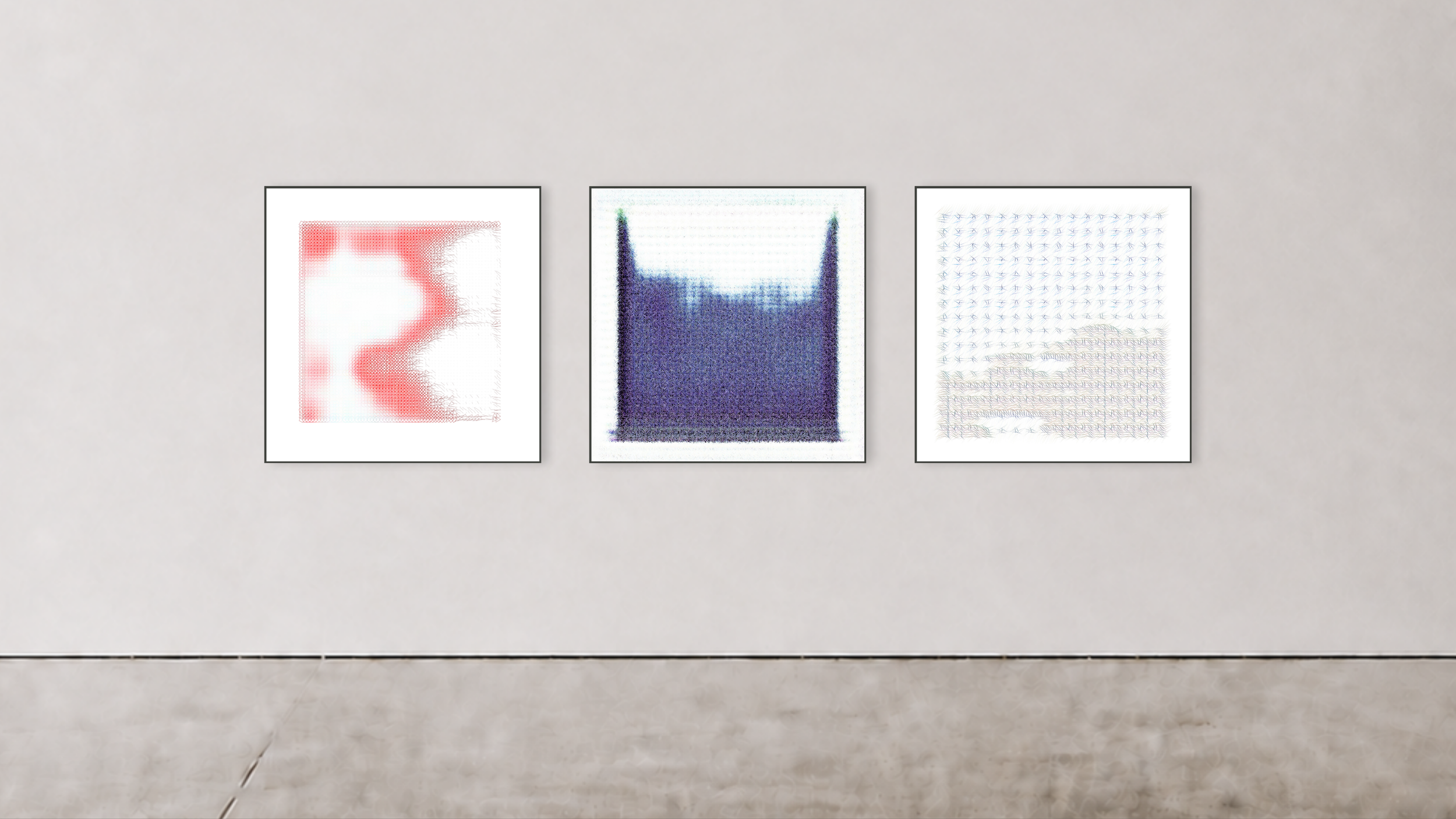
Manipulations,2019-present
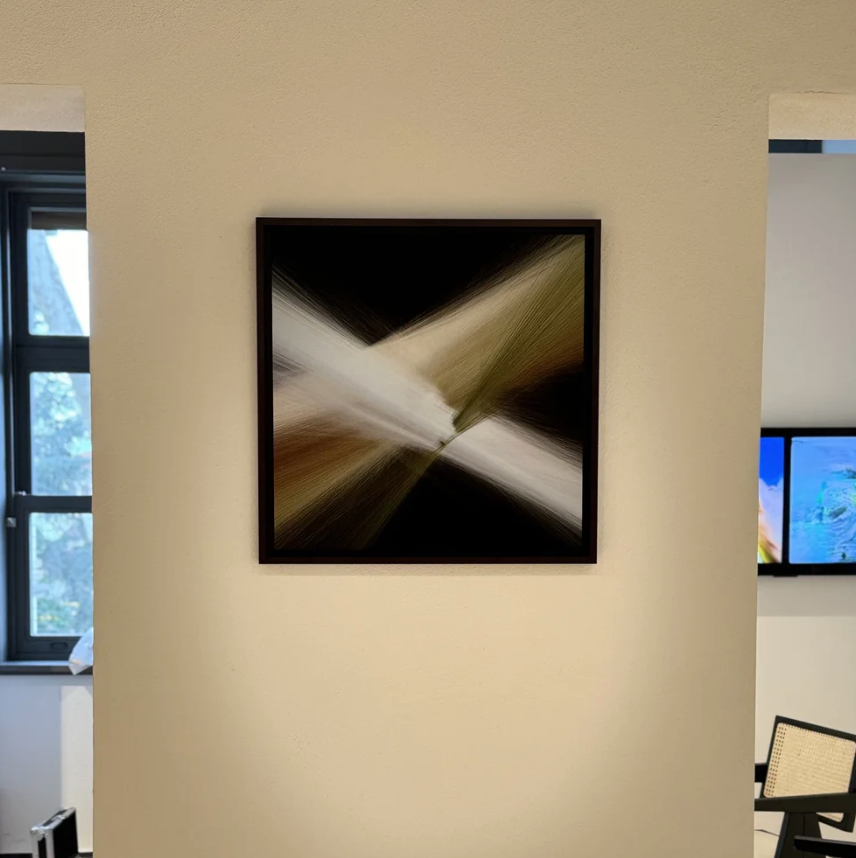
1/1 Video works and 1/1 Fine Art Prints, 40 x 40 cm
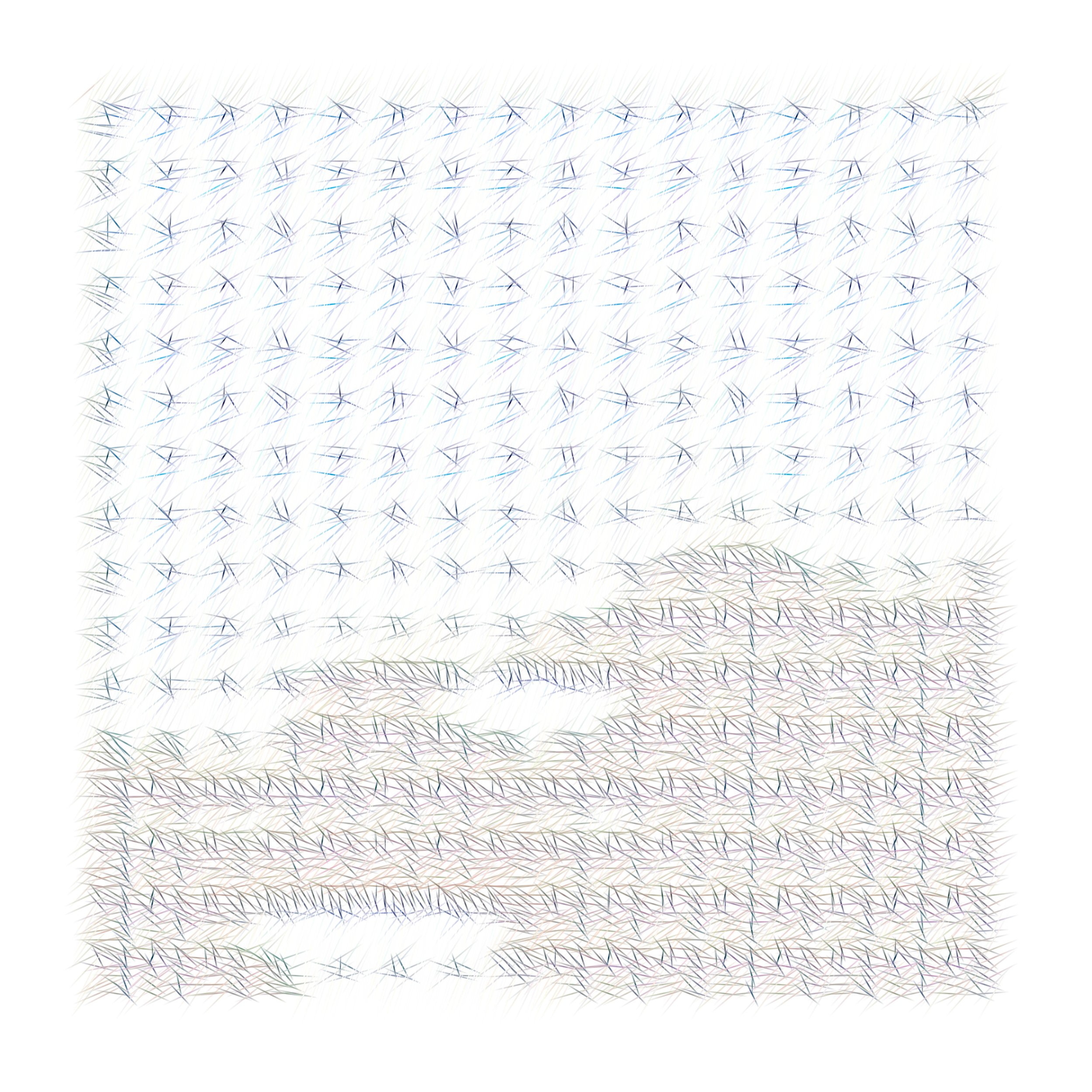
This work explores the hypothesis that AI neural networks see differently than humans, creating images embedded with patterns invisible to human perception. Through individual digital manipulation that coaxes machine-visible structures into human-readable form, the work reveals what artificial vision perceives but humans cannot directly see.
Individual manipulation becomes an interpretive process between computational and human visual systems. Each intervention reveals hidden patterns — structural relationships that algorithms recognize but human perception cannot directly access. Artificial intelligence constructs coherent visual worlds according to its own logical framework, one that requires deliberate intervention to become legible within human perceptual boundaries.
-
![]()
Untitled (b62g,pi1,m,158,4-20,2,27,19,57,36-b), 2020
-
![]()
Untitled (b67n,m,3533,1-20,1,23,11,43,20-c), 2020
-
![]()
Untitled (b67r,618,2-m581), 2023
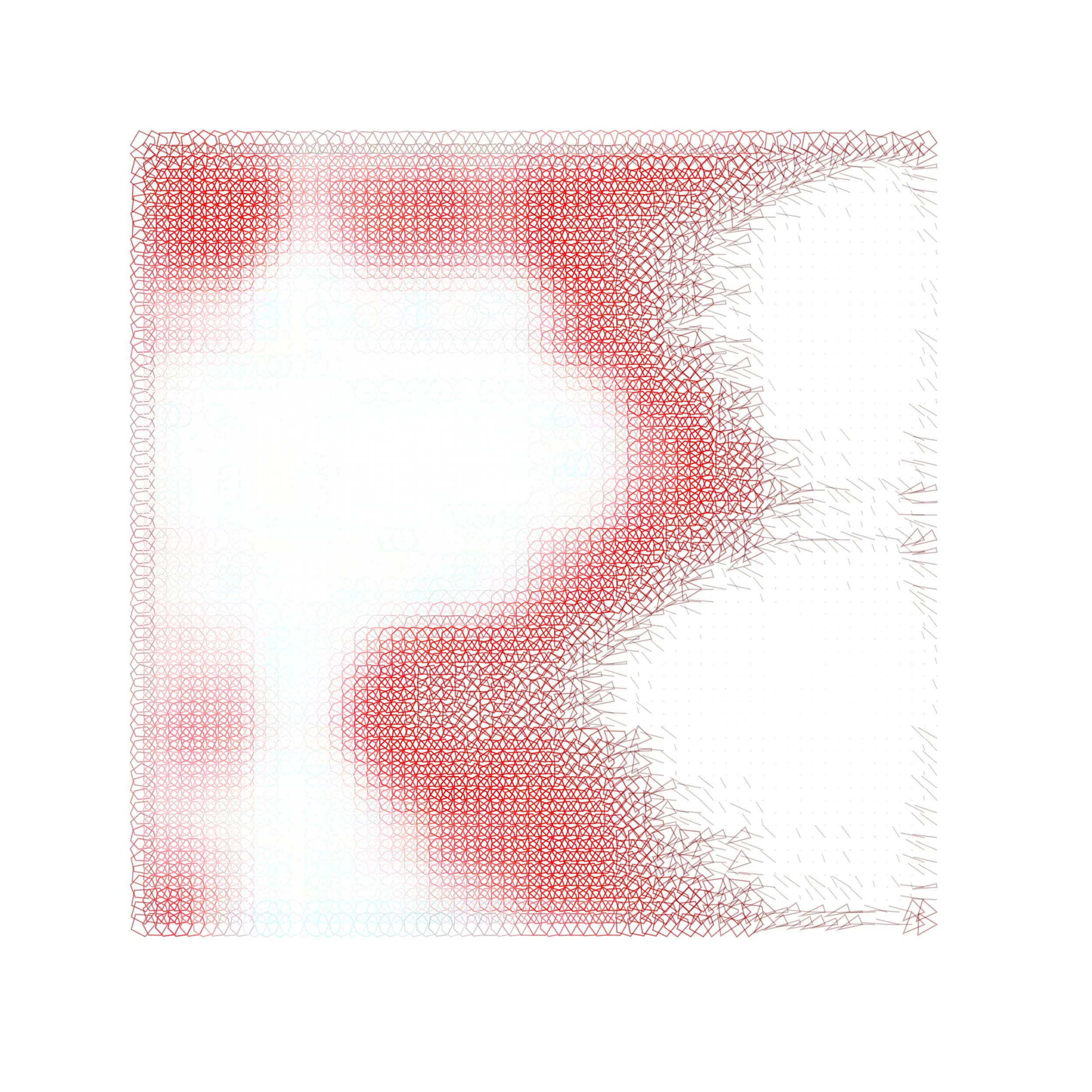
Browse the artworks


More About the Artist
-
![]()
INTERVIEW WITH THE ARTIST
-
![]()
BIOGRAPHY OF DAVID YOUNG
-
![]()
MORE FROM THE ARTIST
Vivamus pellentesque vitae neque at vestibulum. Donec efficitur mollis dui vel pharetra.