

David Young
Website Instagram
David Young is an artist whose practice explores and questions our cultural obsession with technological innovation. Drawing on extensive experience with emerging technologies — from early AI in the 1980s to contemporary quantum computing — his work challenges the technological monoculture and our assumptions about the inevitability of "the new." Young combines open-source technologies with deep programming expertise to create works that meditate on innovation, beauty, and obsolescence.
A graduate of MIT's Media Lab (MS, Visual Studies) and UC Santa Cruz (BS, Computer Science), Young has taught at Art Center College of Design and Parsons School of Design. His work is held in collections including Kunstmuseum Bonn, Kunstsammlungen Chemnitz, and the GENAP Collection. Recent exhibitions include the 1st Shenzhen Art and Technology Biennale (2026) and Art Basel (2026). He lives and works in New York.
Featured Work

-
![]()
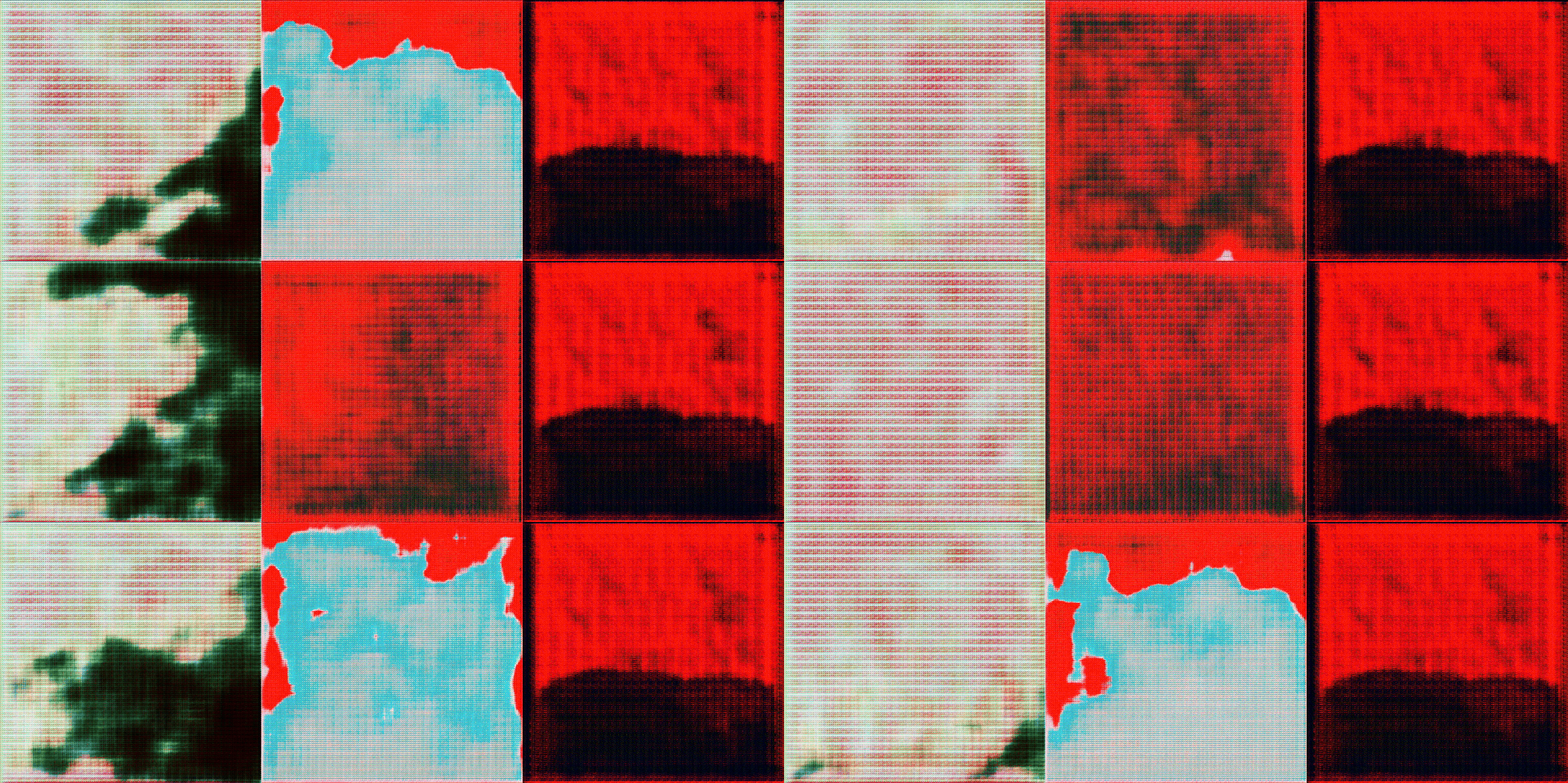
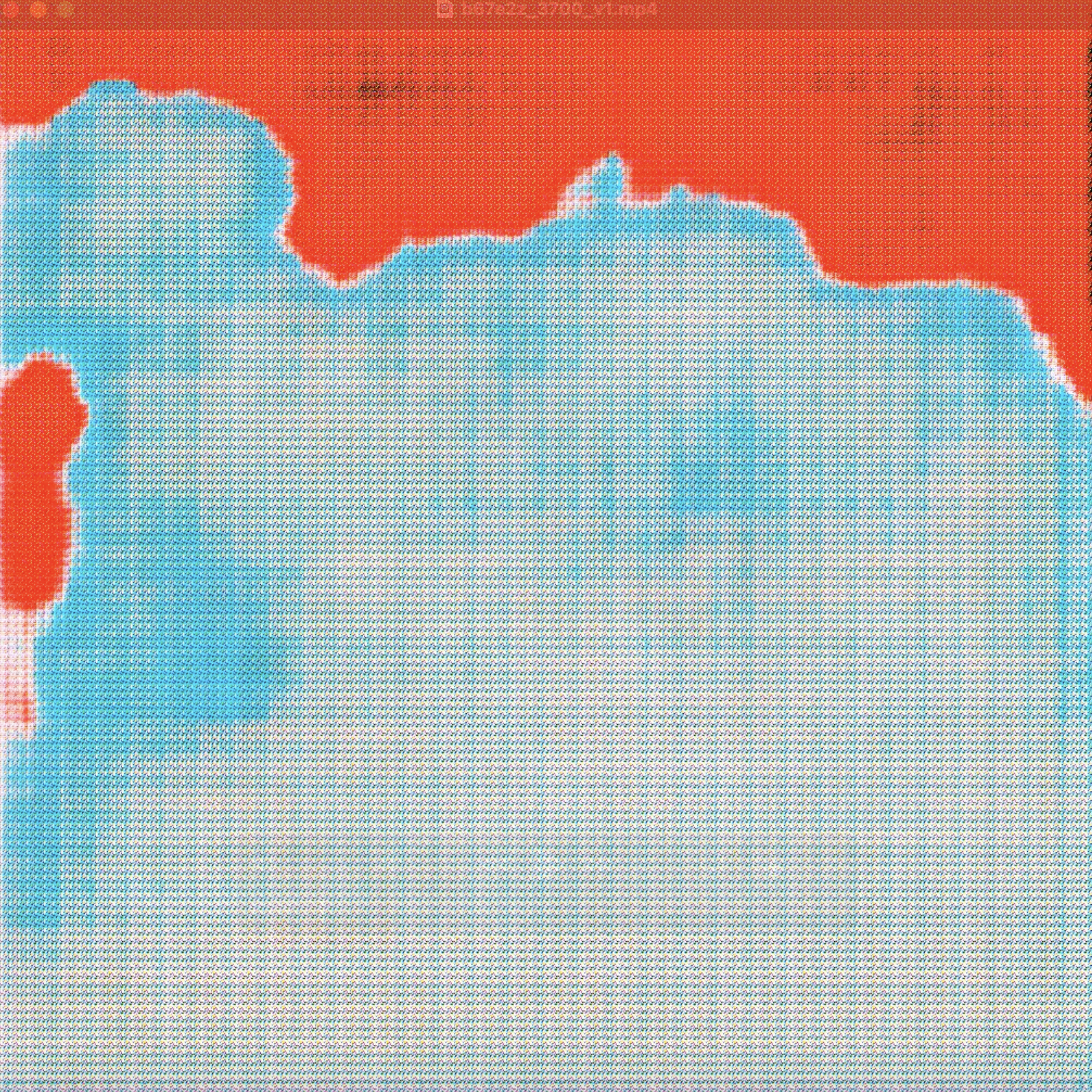
Tabula Rasa (b67e2,2200), Tabula Rasa (b67e2,3700,1), and Tabula Rasa (b67e2,4800), 2020.
GAN-based generative works. Video. Ed. 1/1 -
![]()
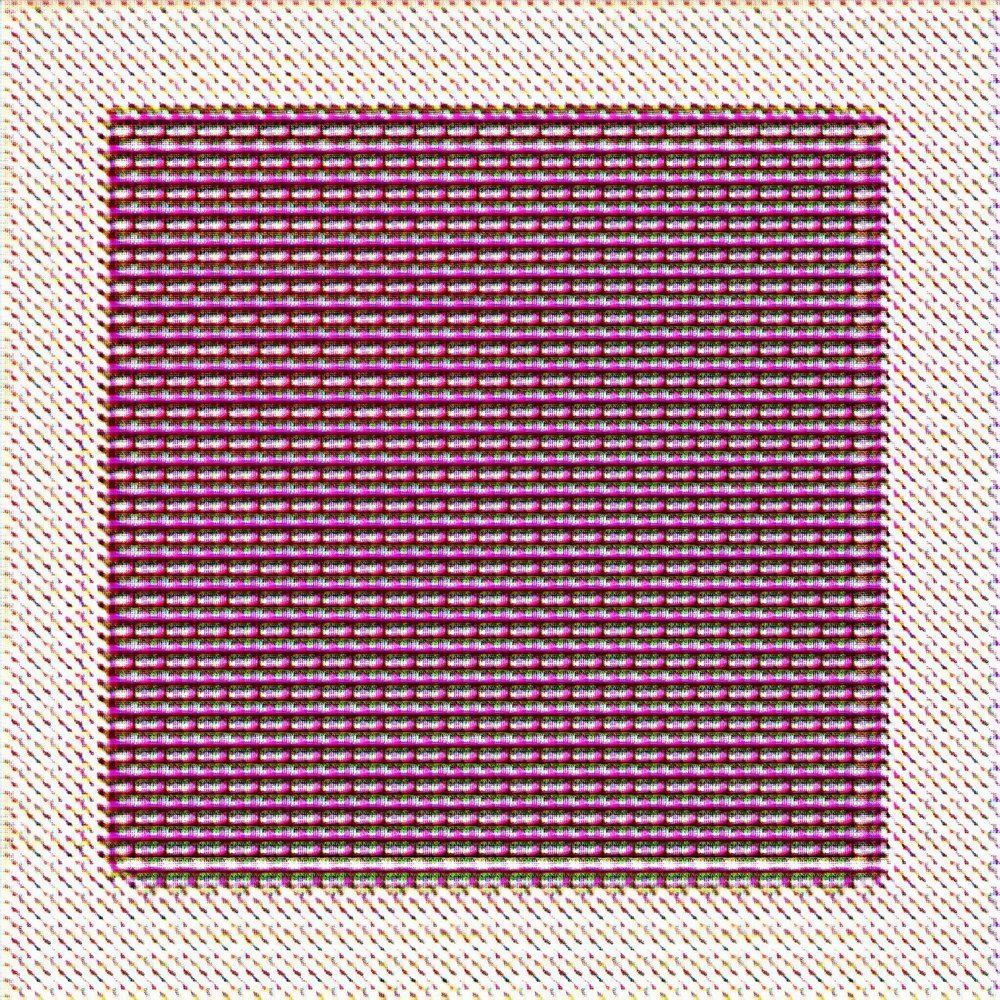
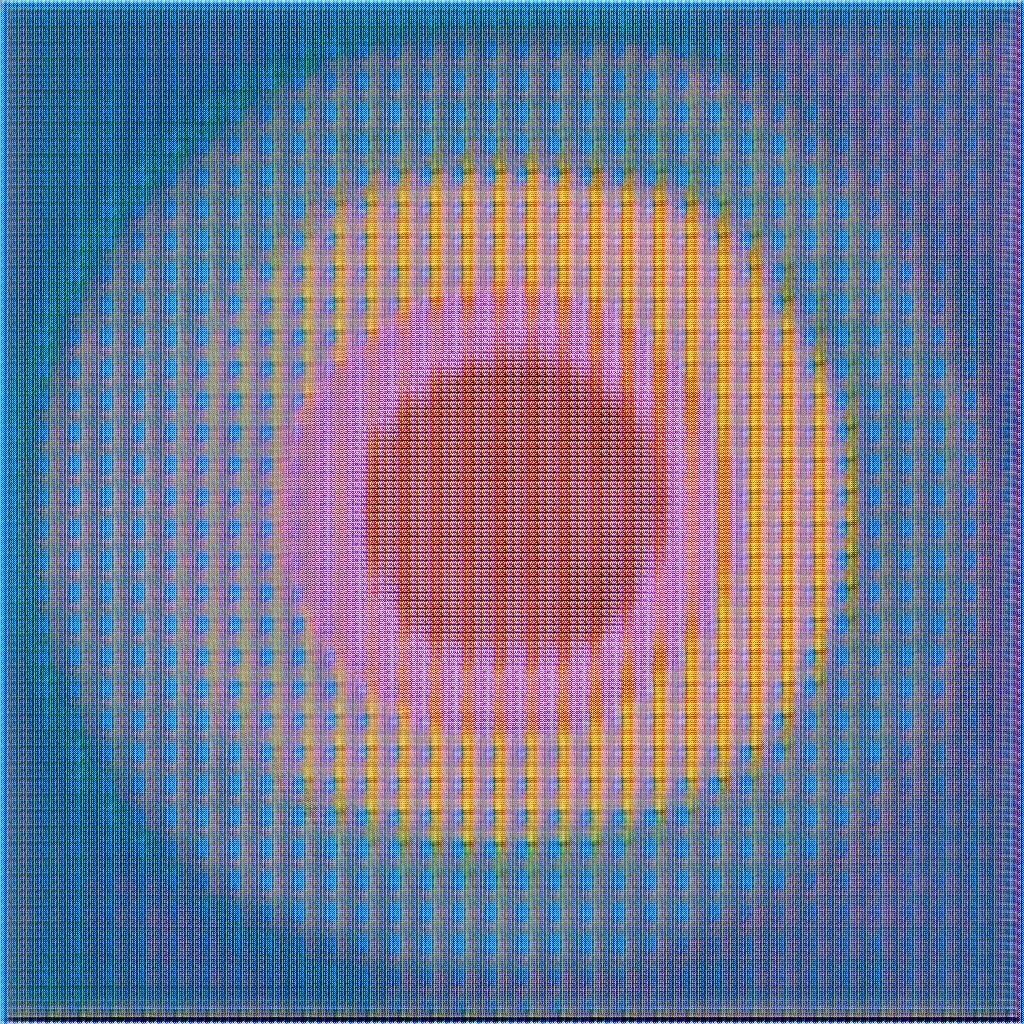
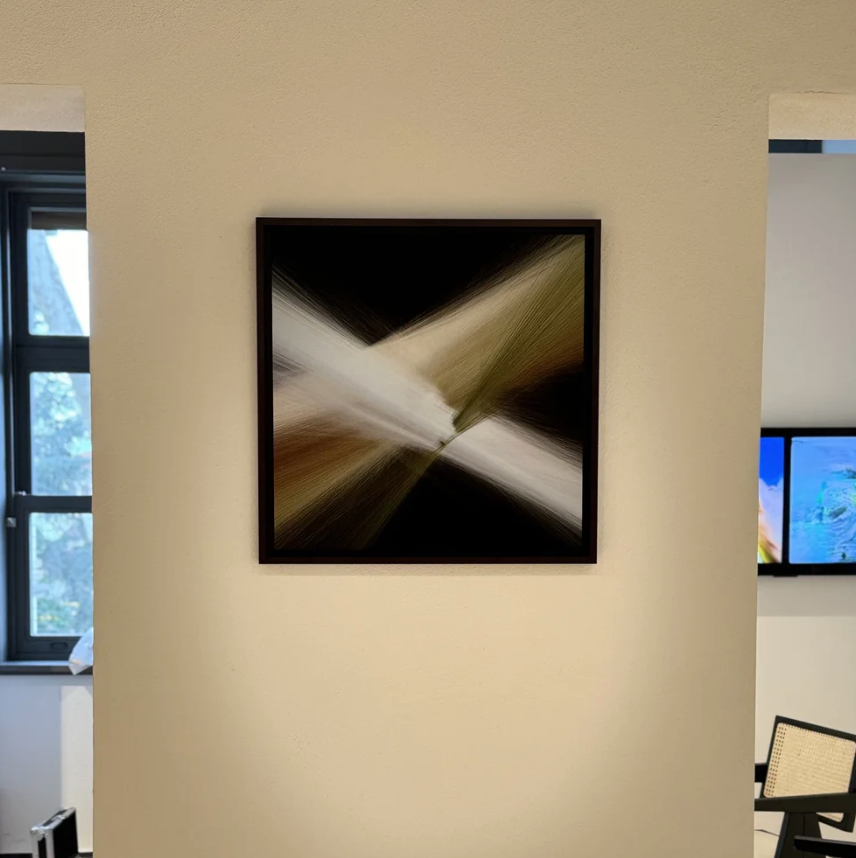
Manipulations series, Untitled (b62g,pi1,m,158,4-20,2,27,19,57,36-b), Untitled (b67n,m,3533,1-20,1,23,11,43,20-c), 2020, and Untitled (b67r,618,2-m581), 2023.
AI / Neural-network based. Fine Art Print, 40 x 40 cm. Ed. 3 + 1 AP. Separate 1/1 NFT available. -
![]()
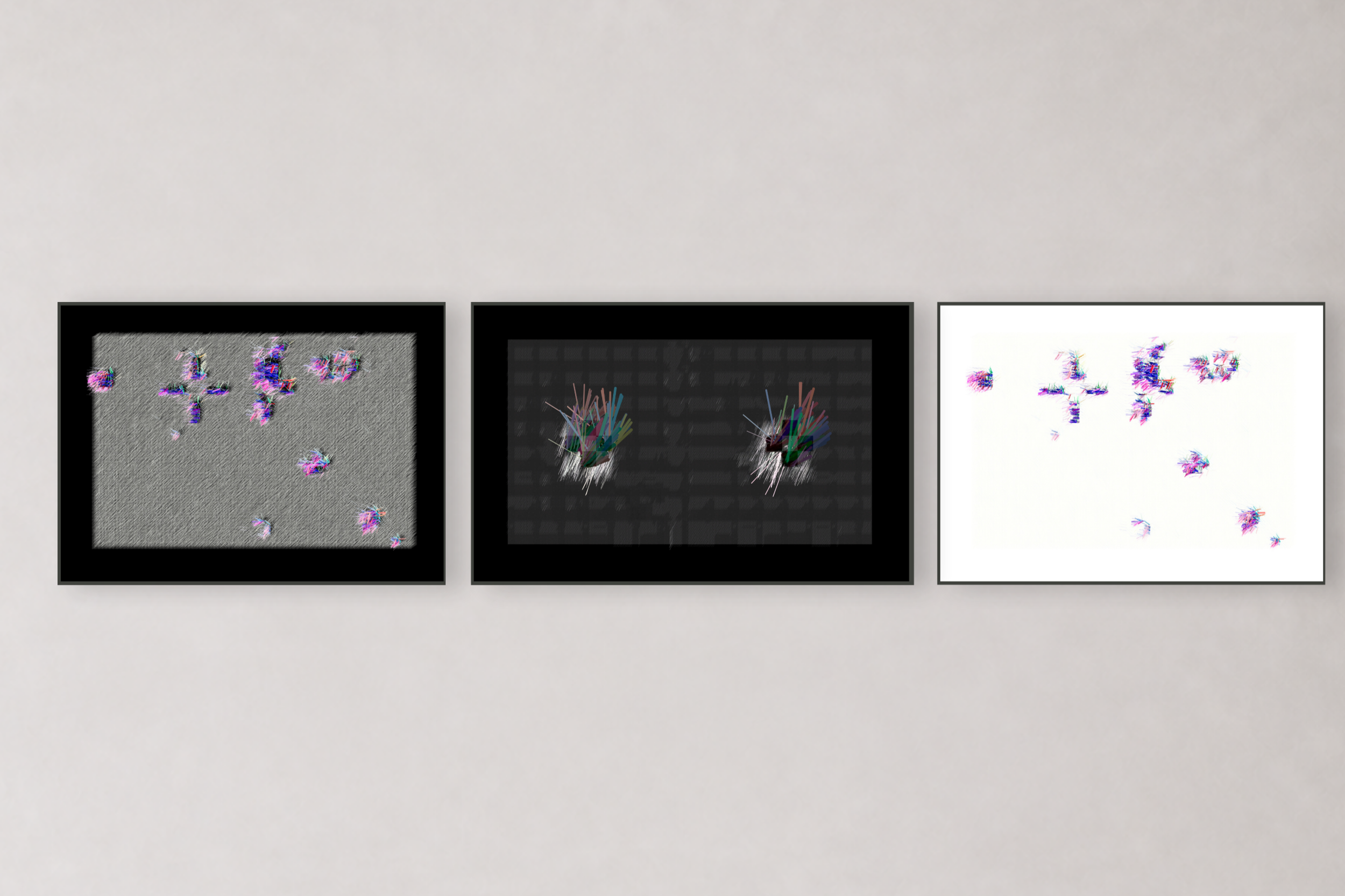
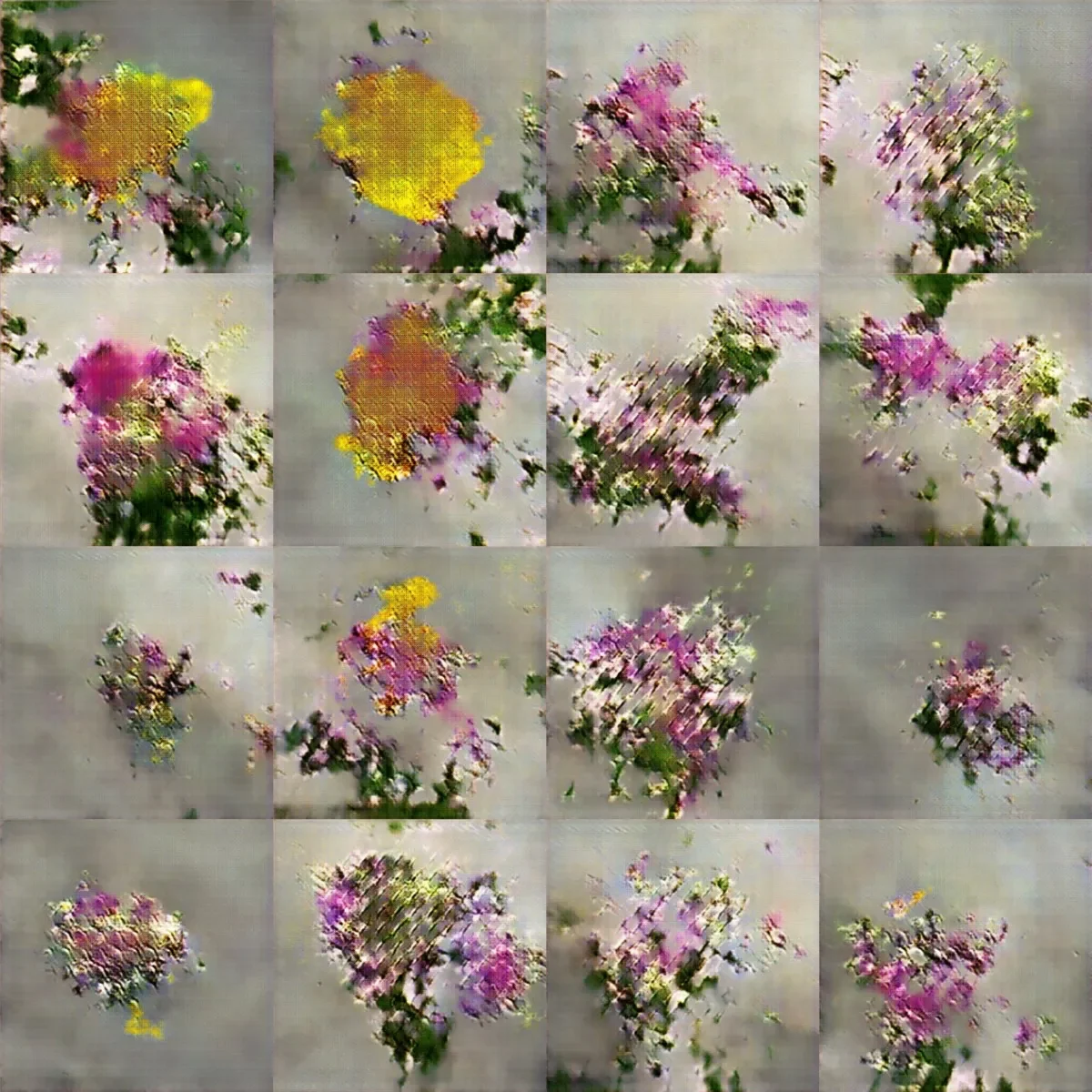
Life (b72b,m,3300,d-20,6,2,15,52,55-ca), Life (b72d,m,2259,3+4,c-20,6,8,17,2,13-ca), and Life (b72b,m,3300,d-20,6,2,15,53,17-ca), 2020.
GAN-based generative work. Fine Art Print, 27.7” x 20” and 31.6” x 20”. Ed. 1/1 + 1 AP

More From The Artist


Further Reading
-
![]()
EMERGENCE - INTERVIEW WITH DAVID YOUNG
For EMERGENCE, Kate Vass speaks with David Young about machine perception, latent space and his experiments training AI on Conway’s Game of Life.
-
![]()
TABULA RASA - RETHINKING THE INTELLIGENCE OF MACHINE MINDS
In Tabula Rasa, David Young focuses on the philosophical foundations of Al art, questioning whether machine minds operate through rationality or something more similar to human emotion.
-
![]()
BEYOND PERCEPTION: THE ART OF DAVID YOUNG
In this article, we focus on David Young's art from 2017 to the present and feature an exclusive interview with the artist himself. He shares the creative process behind his work.
-
![]()
WHEN CODE BLOOMS: THE FLOWER AS A GENERATIVE SYSTEM
When Code Blooms explores how flowers have evolved from enduring artistic motifs into generative systems shaped by mathematics, code, datasets and artificial intelligence.
-
![]()
LITTLE AI
David Young explores the potential of working with small-scale Al systems, as a counterpoint to the dominance of big data-driven machine learning. Using GANs, he investigates how Al interprets the natural world.

Selected Exhibitions
-
![]()
EMERGENCE, ZURICH, 2026
EMERGENCE is conceived as a living exhibition and traces the evolution of complexity from simple computational rules to collective intelligence. Released over six weeks, each chapter reveals new artists and conversations exploring how interaction gives rise to pattern, organism, and society.
-
![]()
UNTITLED ART FAIR, MIAMI, 2024
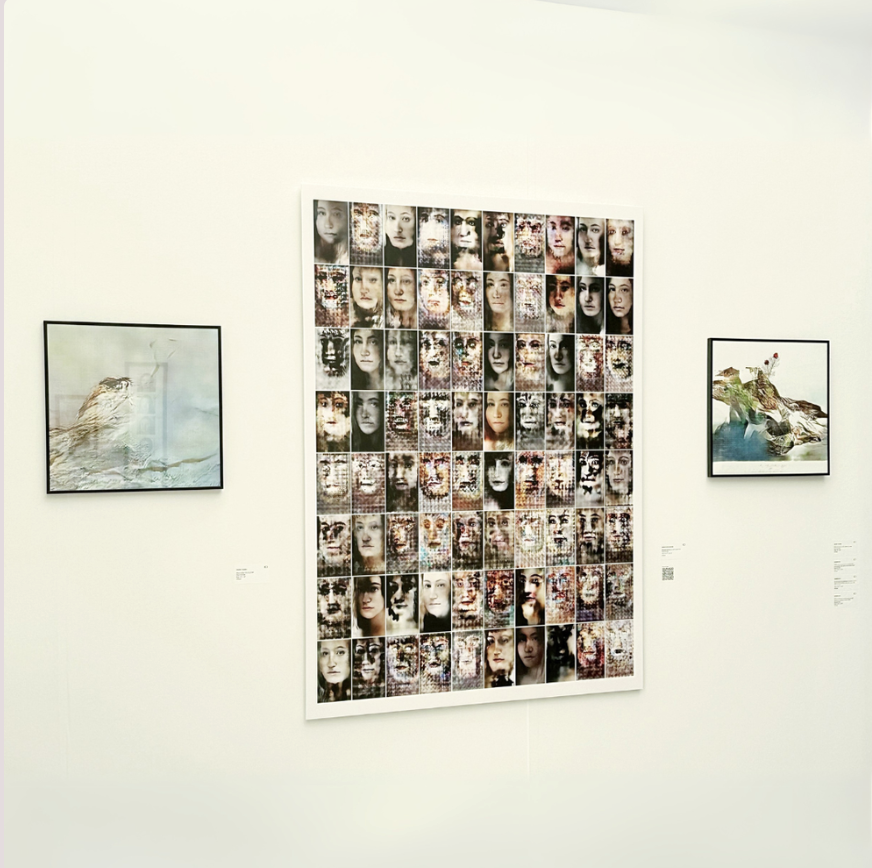
We presented a curated selection of pioneering Al and technology-driven artworks at Untitled Miami Art Fair, a leading contemporary art fair held annually on the sands of Miami Beach.
-
![]()
NOISE MEDIA ART FAIR, ISTANBUL, 2024
At the NOISE Media Art Fair, the gallery presented mixed media artworks by acclaimed local and international artists like Memo Akten, Emre Meydan, David Young, Mario Klingemann, and Kevin Abosch.
-
![]()
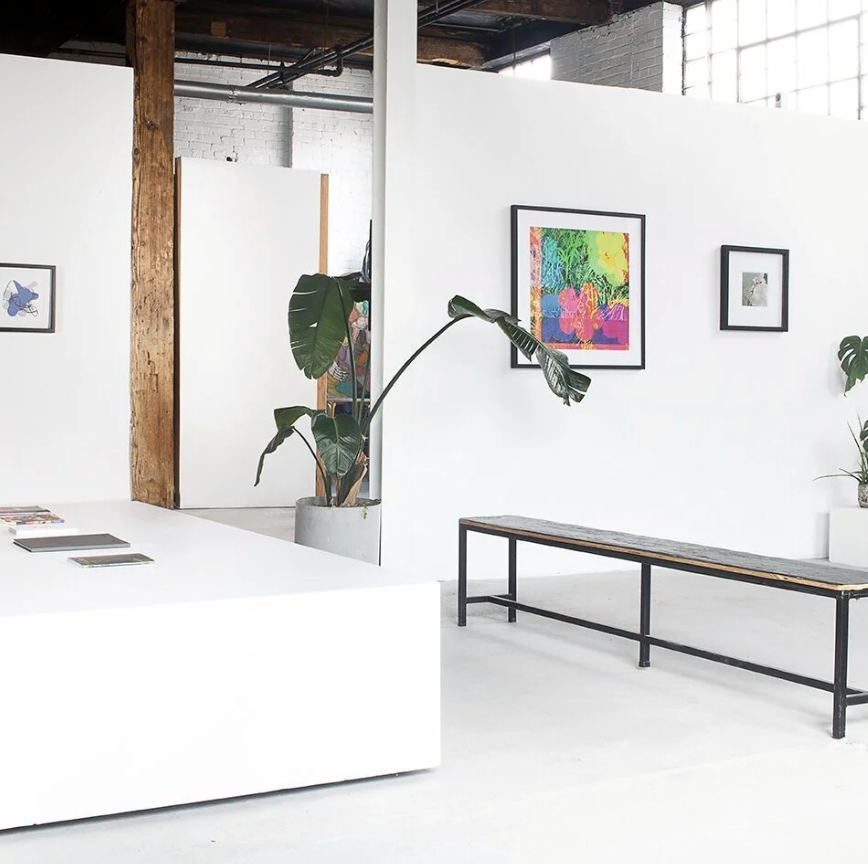
TELEPHONE PAINTINGS, MONTREAL, 2021
Feat. artworks by Cornelia Sollfrank, Sofia Crespo, Tom White, David Young & more, this exhibition traces the desire lines between the analog and the digital.
-
![]()
AUTOMAT UND MENSCH, ZÜRICH, 2019
The Automat und Mensch exhibition is, above all, an opportunity to put important work by generative artists spanning the last 70 years into context by showing it in a single location.
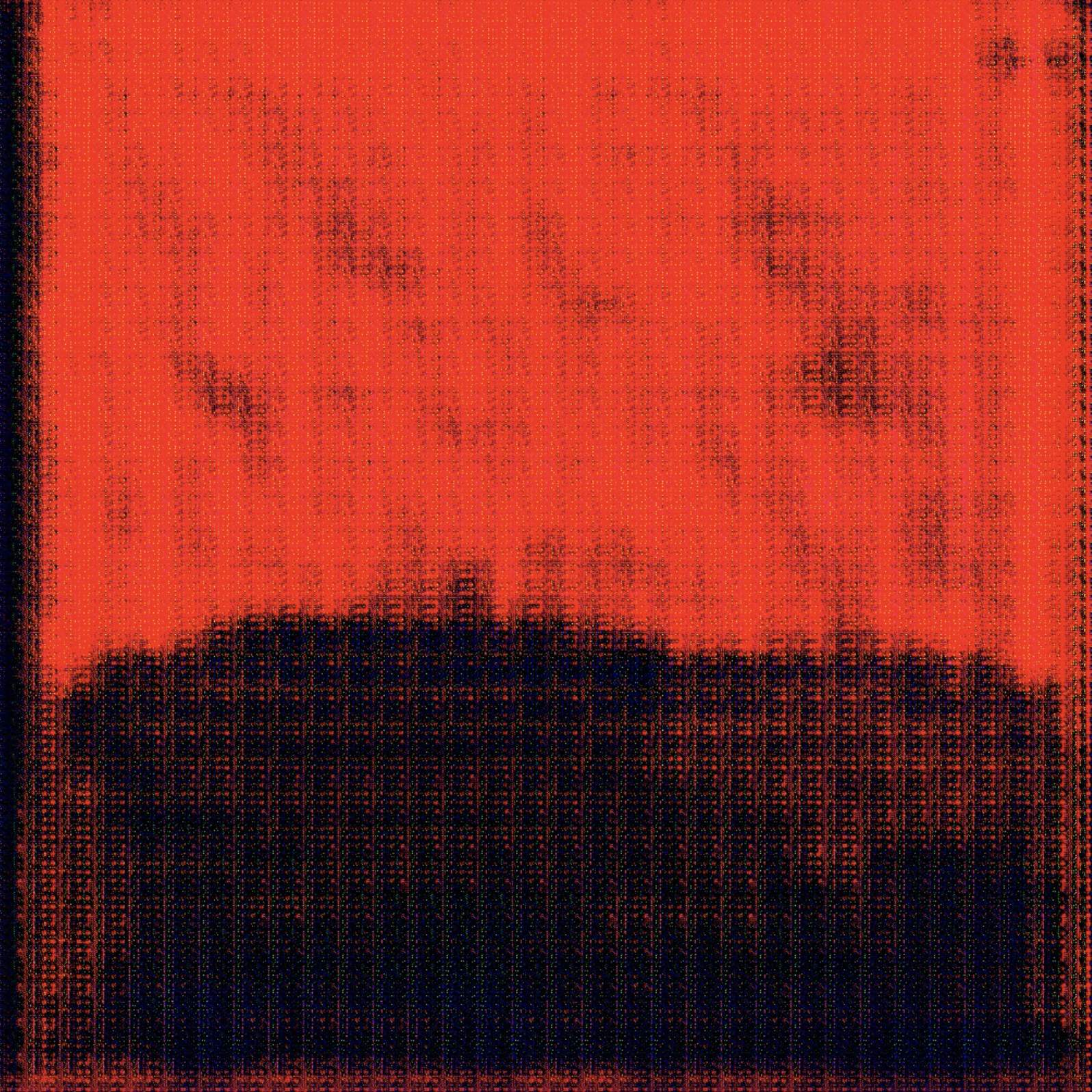

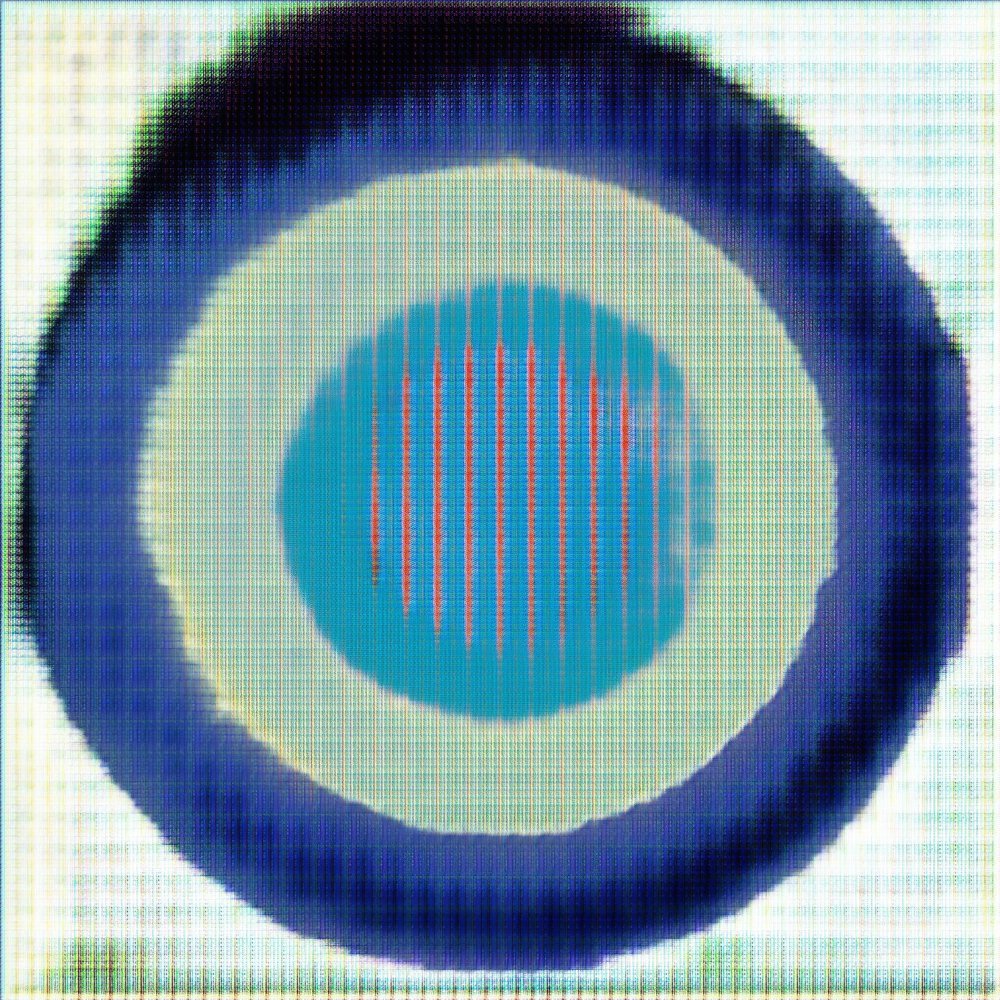
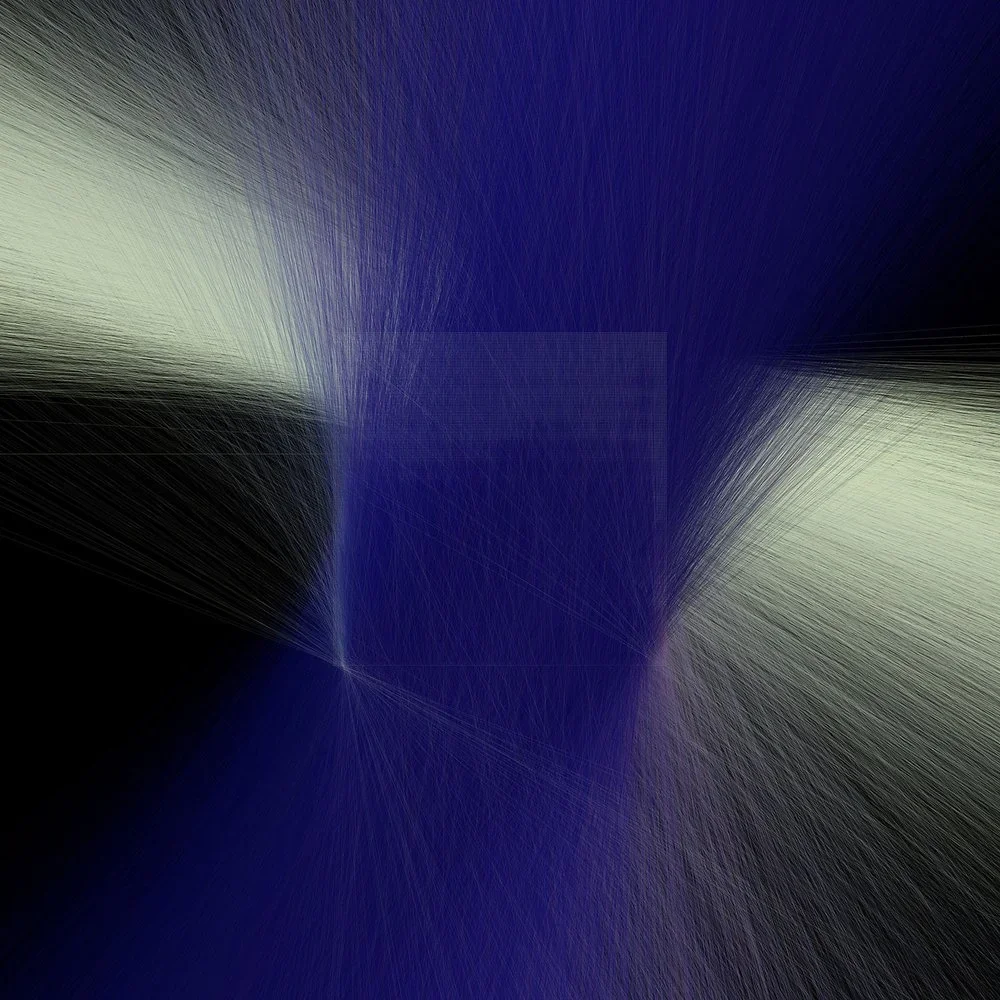
Tabula Rasa (b62g,5348), 2019
Fine Art Print, Ed. 1/1 + 1 AP, Dimensions: 40 x 40 cm
Tabula Rasa investigates the materiality and affective dimensions of artificial intelligence by stripping machine learning to its most elemental state. The work treats the neural network as a blank slate, training it exclusively on solid colors and basic geometric forms—the minimal visual vocabulary from which all complexity emerges. This radical constraint transforms the system into a site for exploring what might be called machine romanticism: the possibility that computational processes generate their own forms of expression when freed from the burden of representation.
The resulting images document the machine’s attempts to construct visual meaning from pure abstraction. Without photographic reference or semantic content to guide it, the system reveals its own material substrate—the computational grain through which all machine vision passes. These works suggest that what we interpret as machine “emotions” may be the visible traces of the system’s internal states as it navigates the space between input and output, between constraint and generation.
The images emerge from the tension between the machine’s mathematical structure and its generative potential, creating forms that exist nowhere else—neither in nature nor in human imagination, but in the specific topology of artificial neural networks learning to see.