
Memo Akten
Memo Akten is a multi-disciplinary computational artist who investigates the intersection between ecology, technology, science, and spirituality. With a passion for studying the intelligence of nature and machines, as well as the perception, consciousness, and neuroscience of human beings, Memo is a curious philomath with a broad range of interests. As an AI wrangler, he is skilled in crafting Speculative Simulations & Data Dramatizations that bring complex concepts to life. With a PhD in Creative Artificial Intelligence & Deep Learning, Memo has a deep understanding of how to imbue machine learning algorithms with Meaningful Human Control, ensuring that AI is created with ethical considerations in mind.
Currently, Memo serves as an Associate Director in the UCSD Visual Arts department, where he teaches courses in Computational Art, AI, XR, and CG. Through his work, Memo encourages his students to explore the boundaries of what is possible through technology, always pushing the boundaries of creativity and innovation.
Featured Work
-
![]()
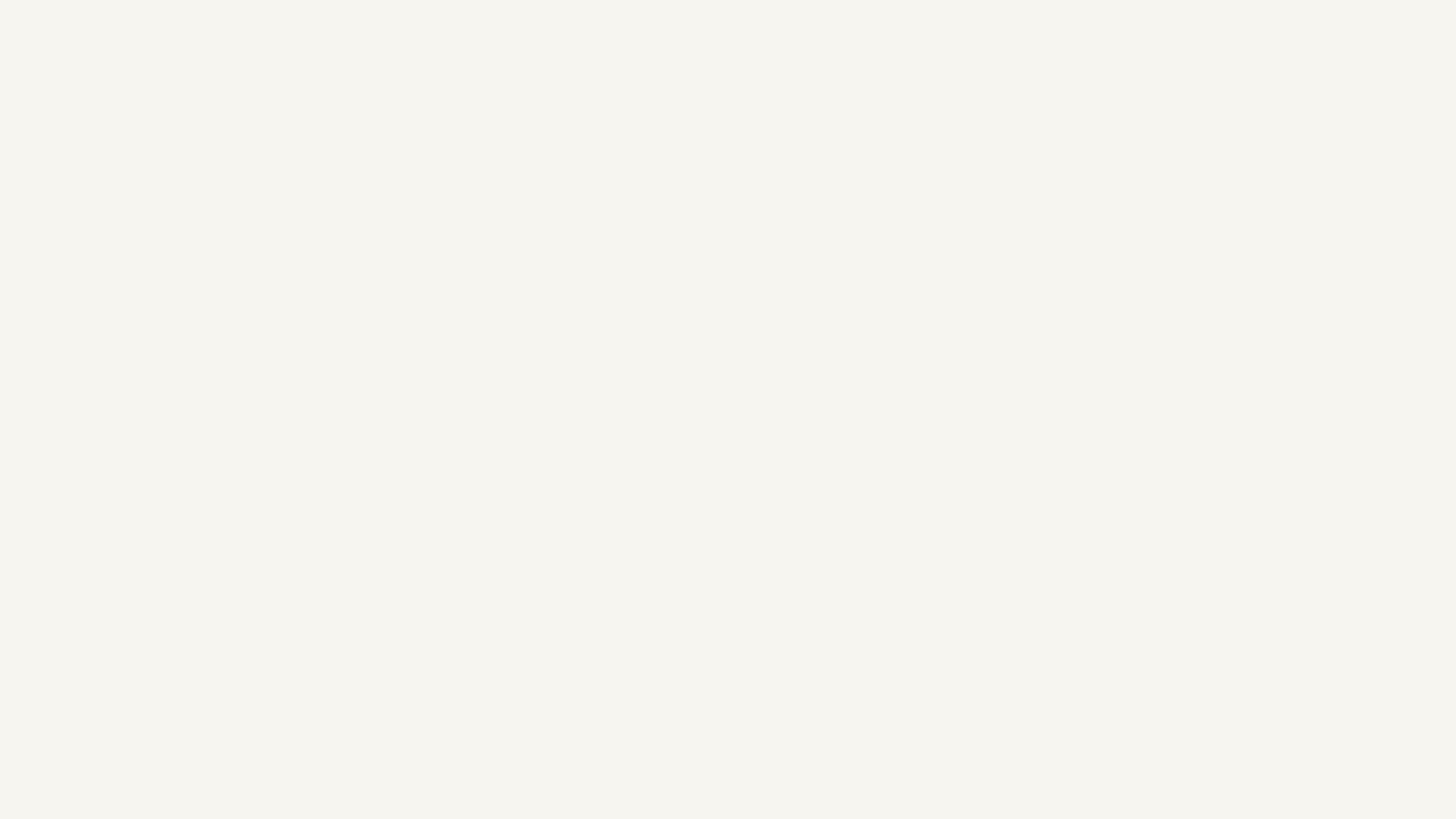
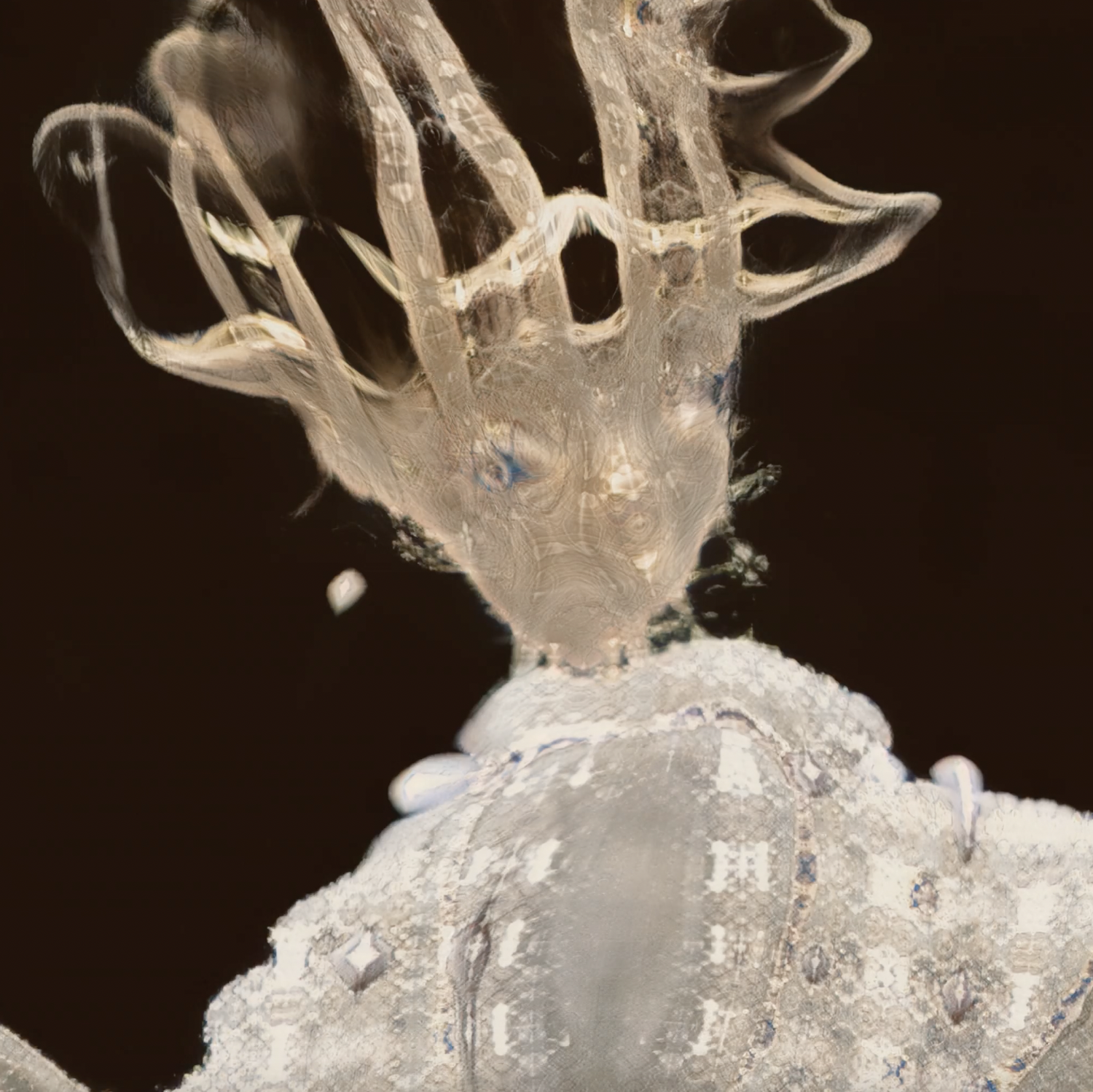
Deep Meditations: Abiogenesis, 2020.
Custom software, Artificial Intelligence, Machine Learning, Deep Learning, Generative Adversarial Networks, Variational Autoencoders. Video work. Ed. 5 + 1 AP -
![]()
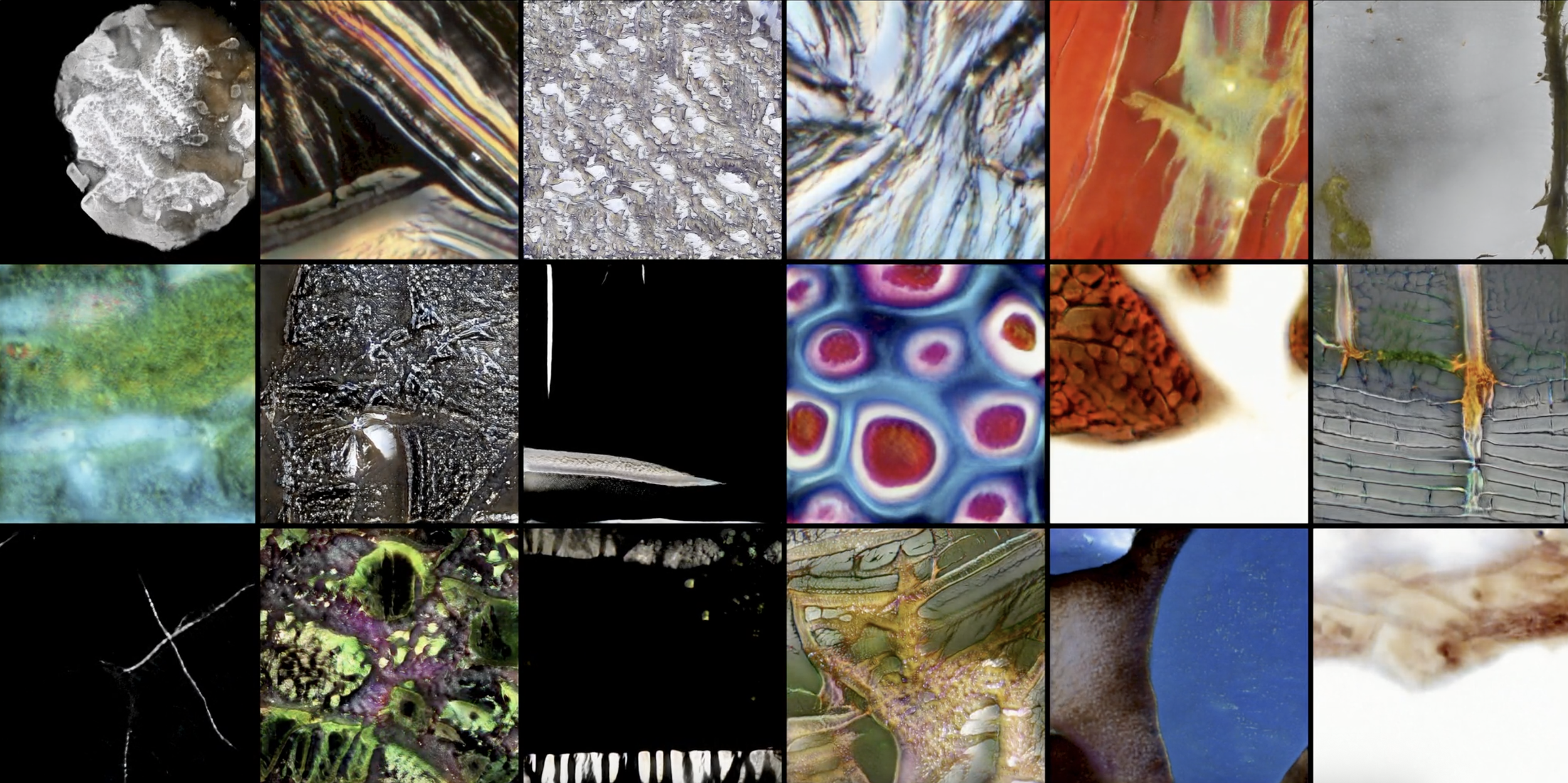
Ants, 2026. (in collaboration with Katie Hofstadter)
Research project. WIP. Video work.Rather than asking whether intelligence belongs to individuals, Ants asks how intelligence emerges through interaction.
Developed as an ongoing research project, the work draws upon recent behavioural studies comparing how ant colonies and groups of humans solve the same spatial problem. While individual ants possess only limited information, the colony develops forms of collective memory and decision-making that no single ant contains. Human groups, by contrast, excel through communication; when deprived of language, they often abandon individual reasoning and converge on simpler forms of collective behaviour.
Akten uses this research to reconsider one of the central questions surrounding artificial intelligence. Rather than treating intelligence as a property of isolated systems, Ants shifts attention to the larger networks within which intelligence is produced, distributed and constrained. The project proposes that the fundamental challenge may not lie in aligning future artificial intelligences, but in understanding the complex feedback loops already shaping human societies as collective systems.
Within EMERGENCE, Ants extends the exhibition's exploration of organisation beyond artificial life toward collective intelligence itself. It demonstrates that emergence is not simply a metaphor for complexity, but an observable process through which memory, coordination and adaptive behaviour arise from repeated local interactions. Intelligence, the project suggests, is not only something an individual possesses. It is also something that can emerge between many.
More From The Artist
Further Reading
-
![]()
EMERGENCE - INTERVIEW WITH MEMO AKTEN
For EMERGENCE, Kate Vass speaks with Memo Akten about autopoiesis and sympoiesis, embodiment, intelligence, emergence, and consciousness. Akten ultimately proposes a provocative reversal: perhaps consciousness did not emerge from life, but life evolved to embody consciousness.
-
![]()
EARLY AI VIDEO WORKS BY MEMO AKTEN
Between 2018 and 2020, Memo Akten produced 2 early Al series: the "BigGAN Study" and "We Are All Connected", both representing his early explorations with GANs. Both series feature audio-reactive visual compositions that respond to original music composed by the artist himself without the use of Al.
-
![]()
MACHINE LEARNING ART: AN INTERVIEW WITH MEMO AKTEN
In this interview with Artnome, artist and researcher Memo Akten discusses his work with machine learning, his approach to art as a form of technological and societal reflection, and his concerns about authorship, bias, and perception in Al-generated art.
-
![]()
ARTISTS CREATE CONNECTIONS BETWEEN THE WAY HUMANS DANCE AND NATURE MOVES IN 'SUPERRADIANCE'
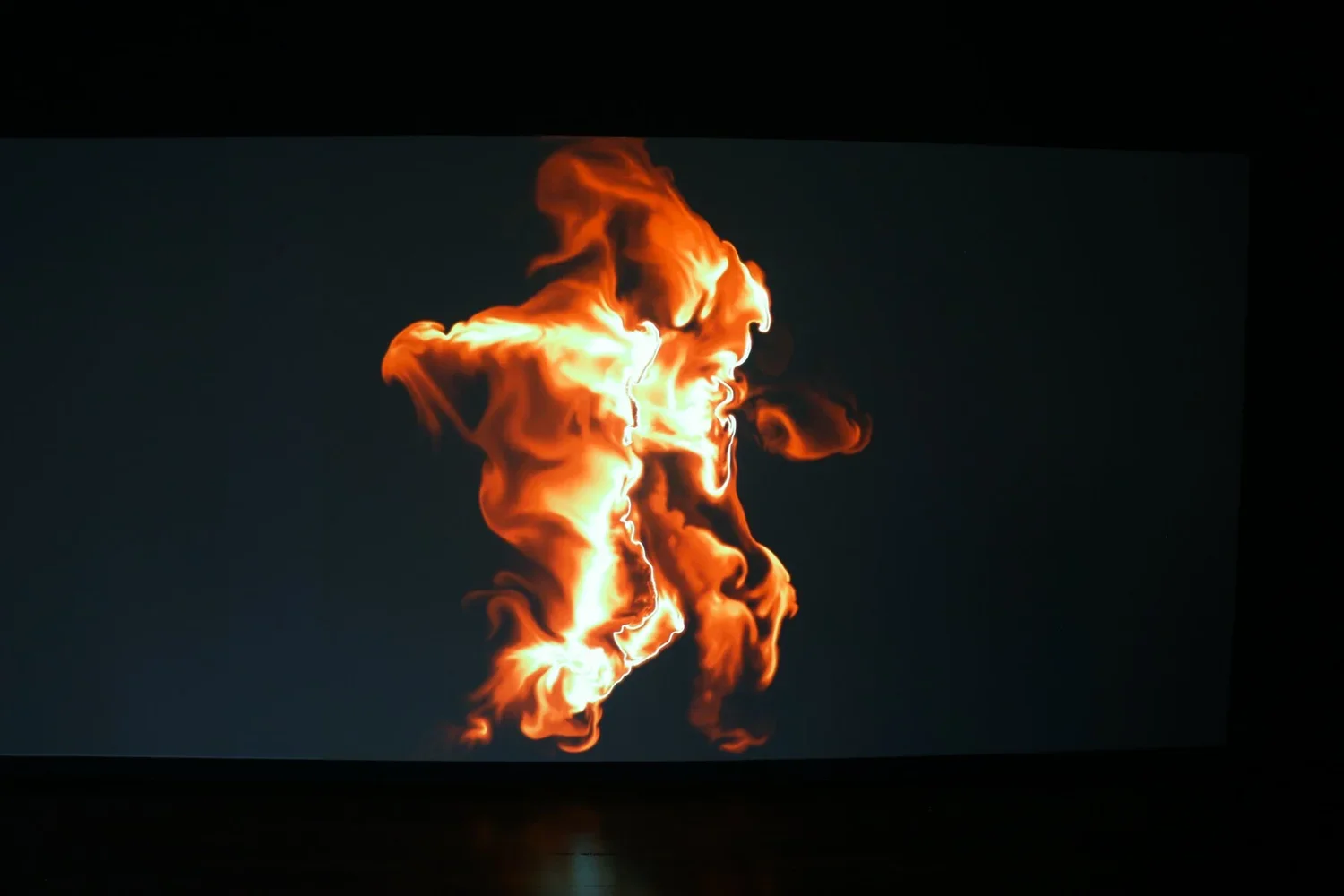
Memo Akten and Katie Peyton Hofstadter talk about their multimedia artwork at Birch Aquarium. 10, published in San Diego Union-Tribune. They're among 30 artists whose work is featured in the "Embodied Pacific: Ocean Unseen" partnership connecting art and science.
Selected Exhibitions
-
![]()
EMERGENCE, ZURICH, 2026
EMERGENCE is conceived as a living exhibition and traces the evolution of complexity from simple computational rules to collective intelligence. Released over six weeks, each chapter reveals new artists and conversations exploring how interaction gives rise to pattern, organism, and society.
-
![]()
UNTITLED ART FAIR, MIAMI, 2024
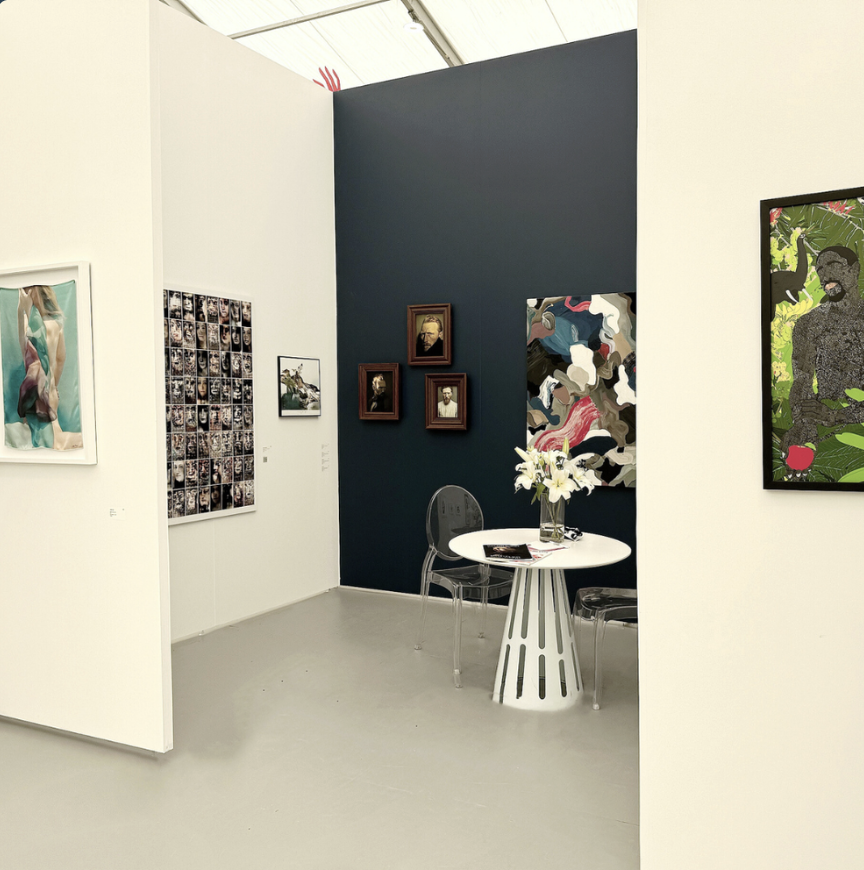
We presented a curated selection of pioneering Al and technology-driven artworks at Untitled Miami Art Fair, a leading contemporary art fair held annually on the sands of Miami Beach.
-
![]()
AUTOMAT UND MENSCH 2.0, ZÜRICH, 2024
As we revisited the Automat und Mensch show, our aim was to reflect upon the evolution of Al in art and generative art over the past half-decade.
-
![]()
NOISE MEDIA ART FAIR, ISTANBUL, 2024
At the NOISE Media Art Fair, the gallery presented mixed media artworks by acclaimed local and international artists like Memo Akten, Emre Meydan, David Young, Mario Klingemann, and Kevin Abosch.
-
![]()
BOUNDARIES, VENICE BIENNALE, 2024
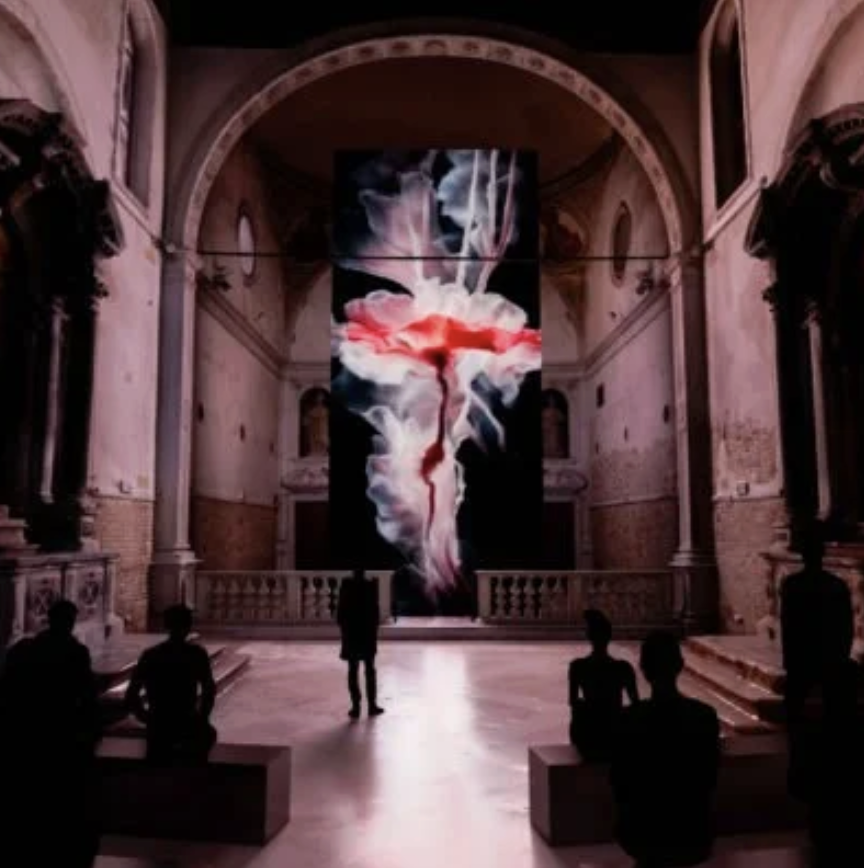
Boundaries (2024) by Memo Akten, which explores the connections between self and universe, was exhibited at Chiesa di Santa Maria della Visitazione as part of Venice Biennale.
-
![]()
FREAK SHOW, ZUG, 2023
There is a long history of "Freak Shows" which dates back to medieval times, where people considered physically unusual were put on display like caged animals.
-
![]()
THE BEAUTY OF EARLY LIFE, ZKM, 2022
Deep Meditations: Abiogenesis focuses on the emergence of life, and the evolution of single and multicellular organisms. The work was exhibited at The Beauty of Early Life at ZKM in 2022.
-
![]()
AUTOMAT UND MENSCH, ZÜRICH, 2019
The Automat und Mensch exhibition is, above all, an opportunity to put important work by generative artists spanning the last 70 years into context by showing it in a single location.
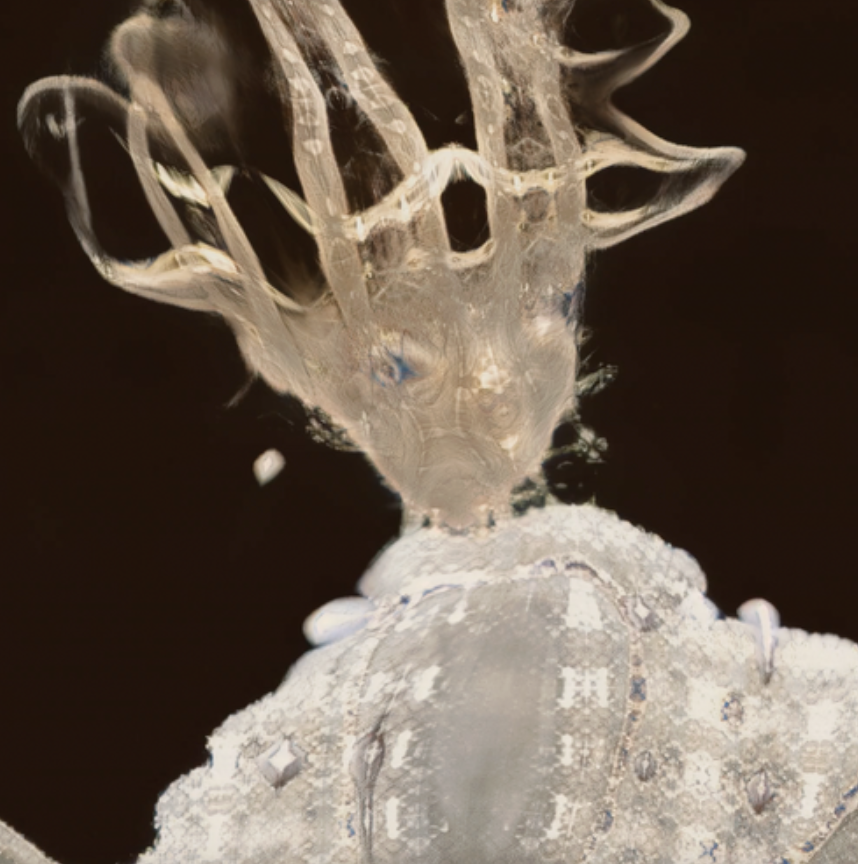
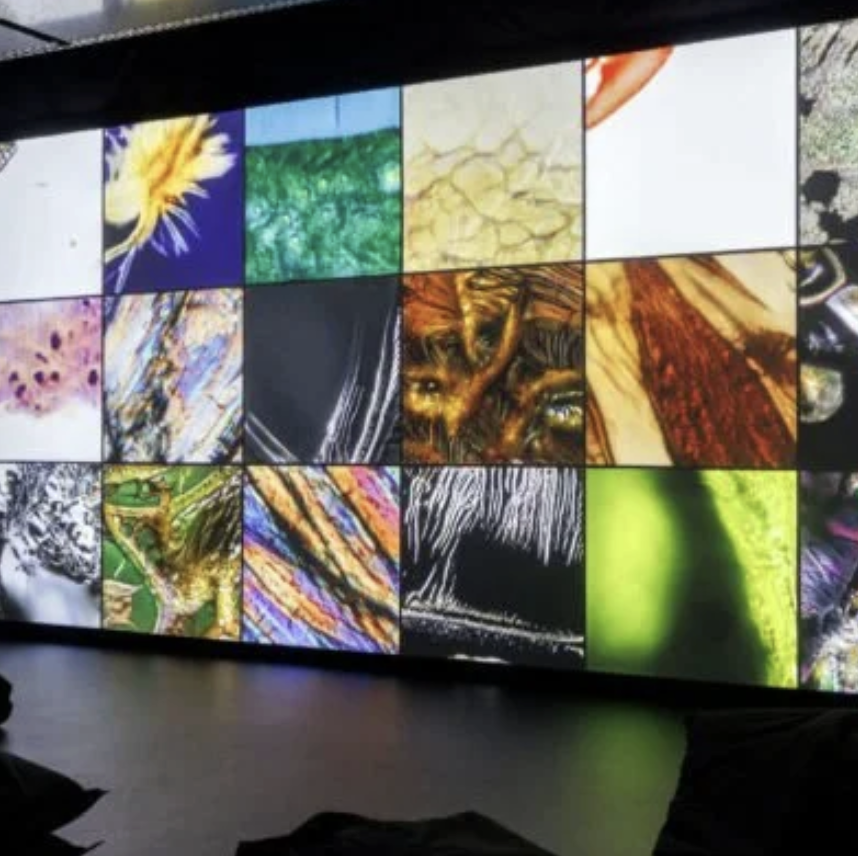
by Memo Akten
Video work
Unique
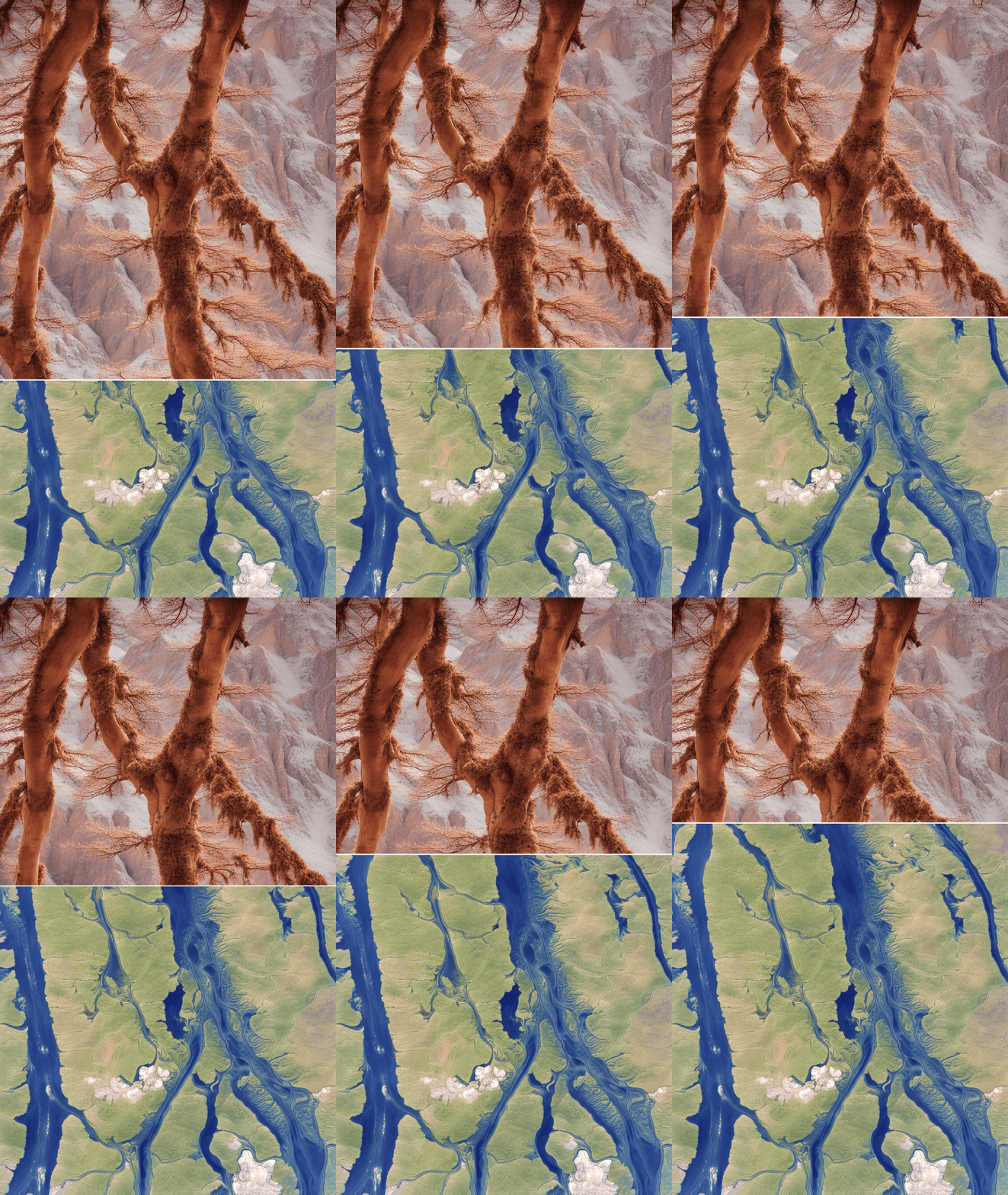
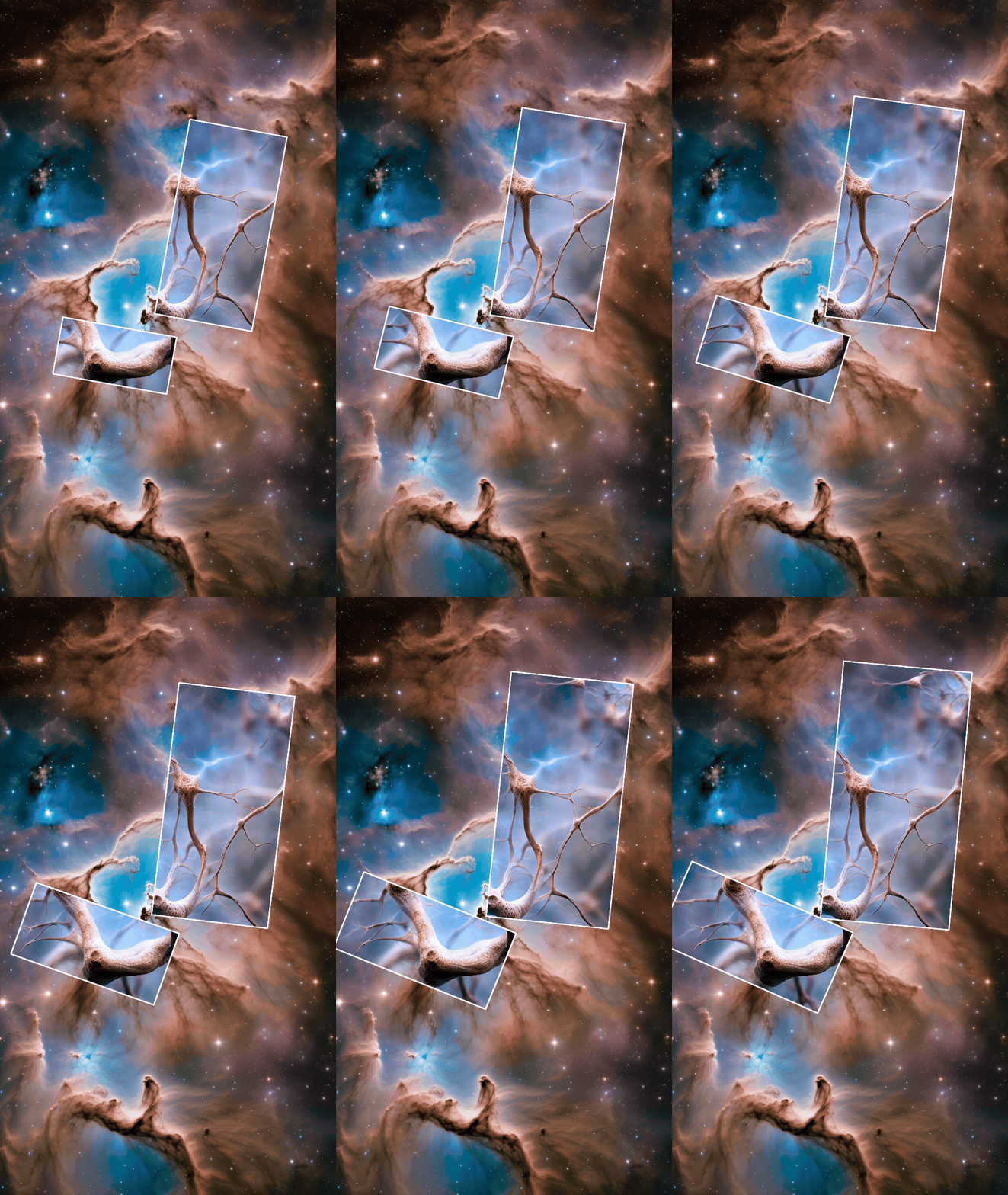
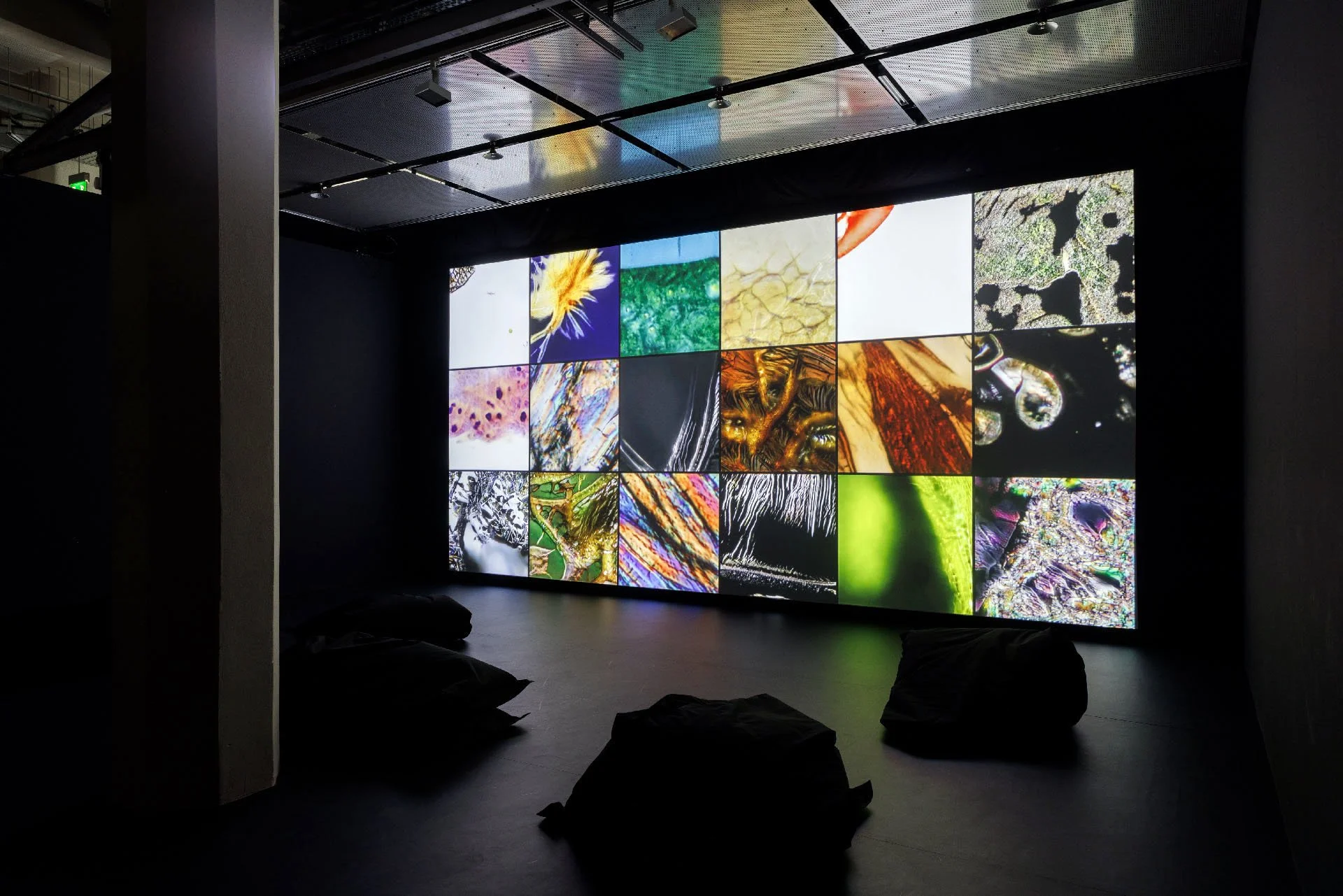
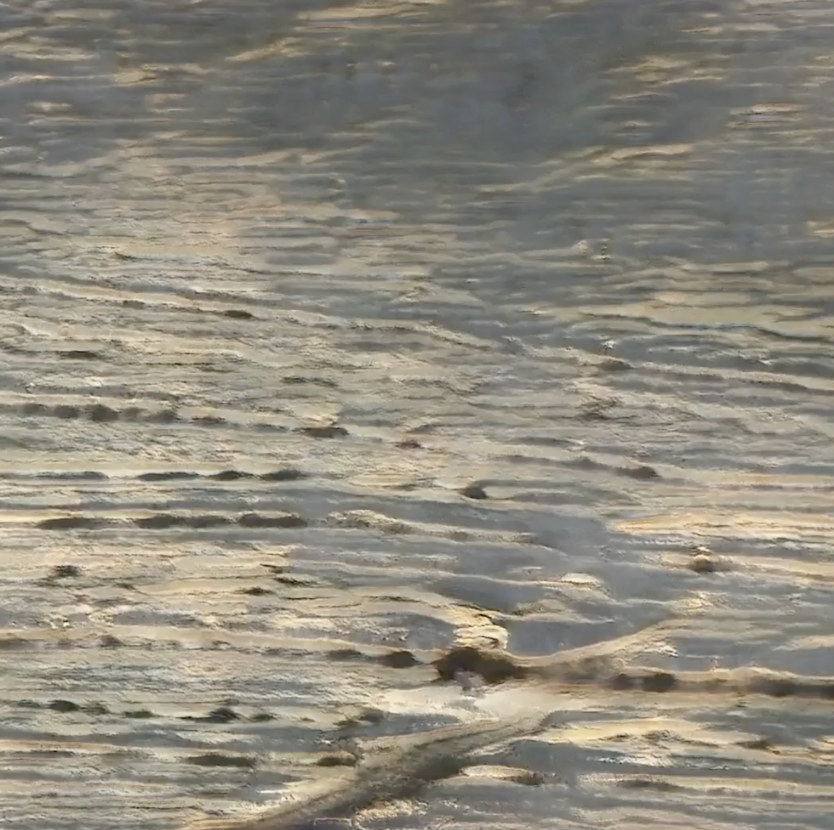
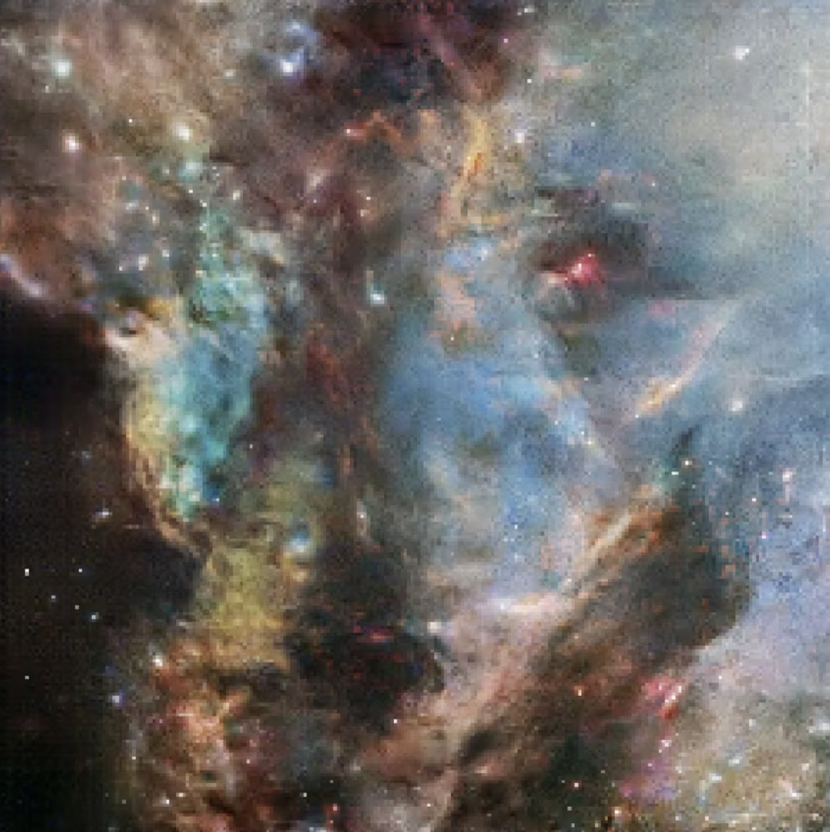
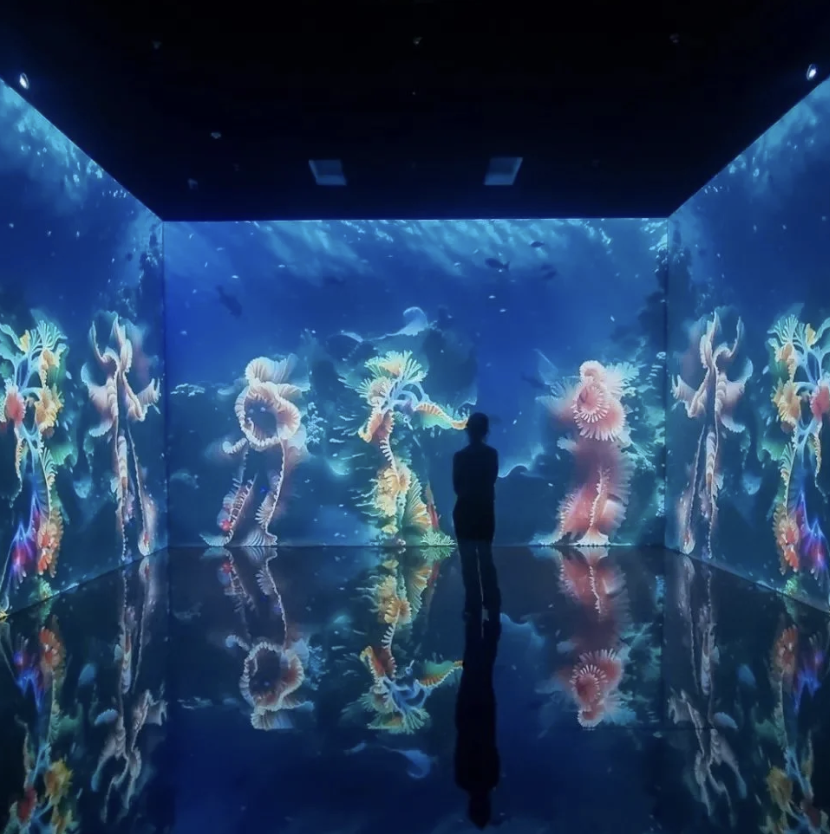
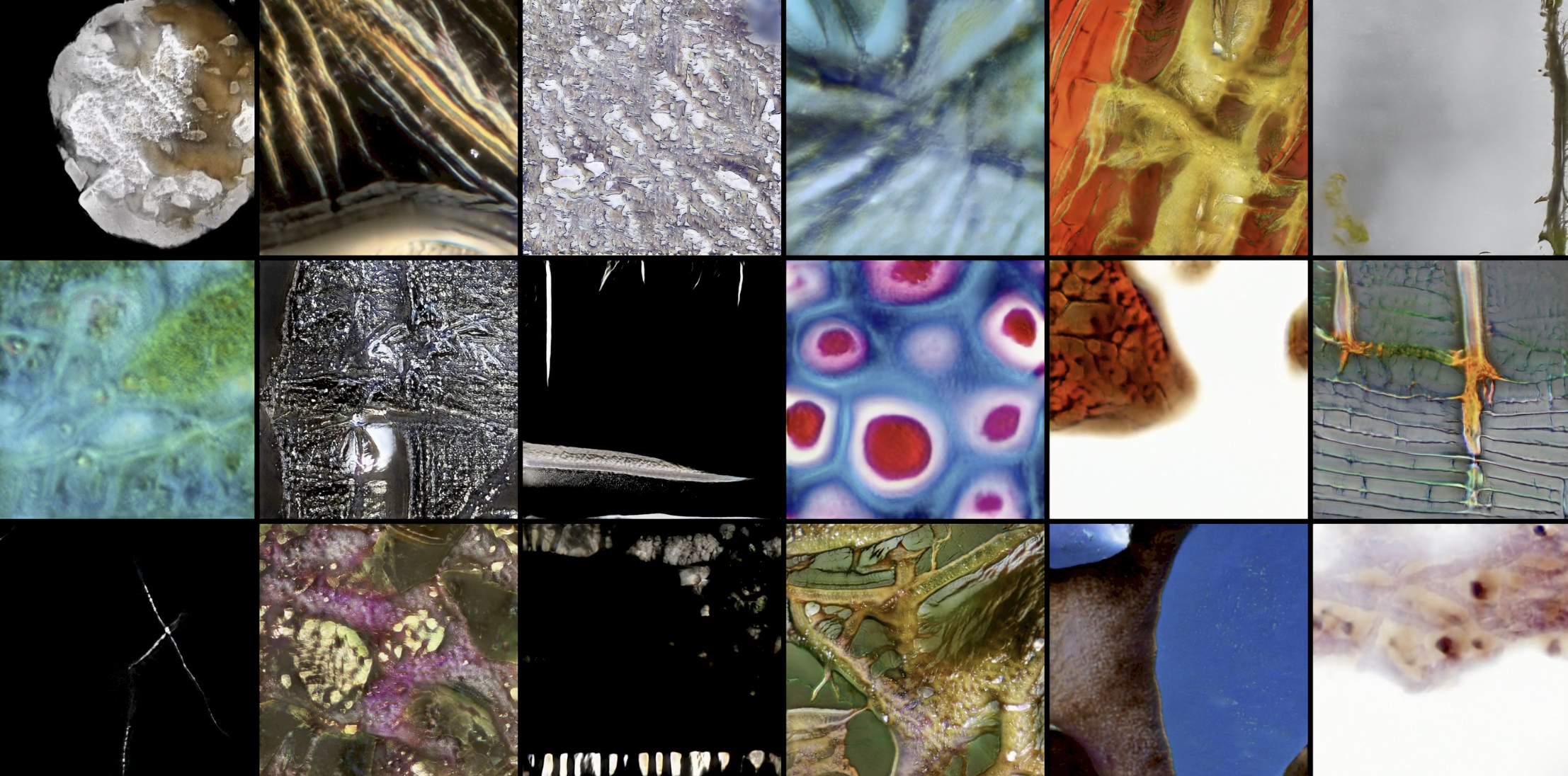
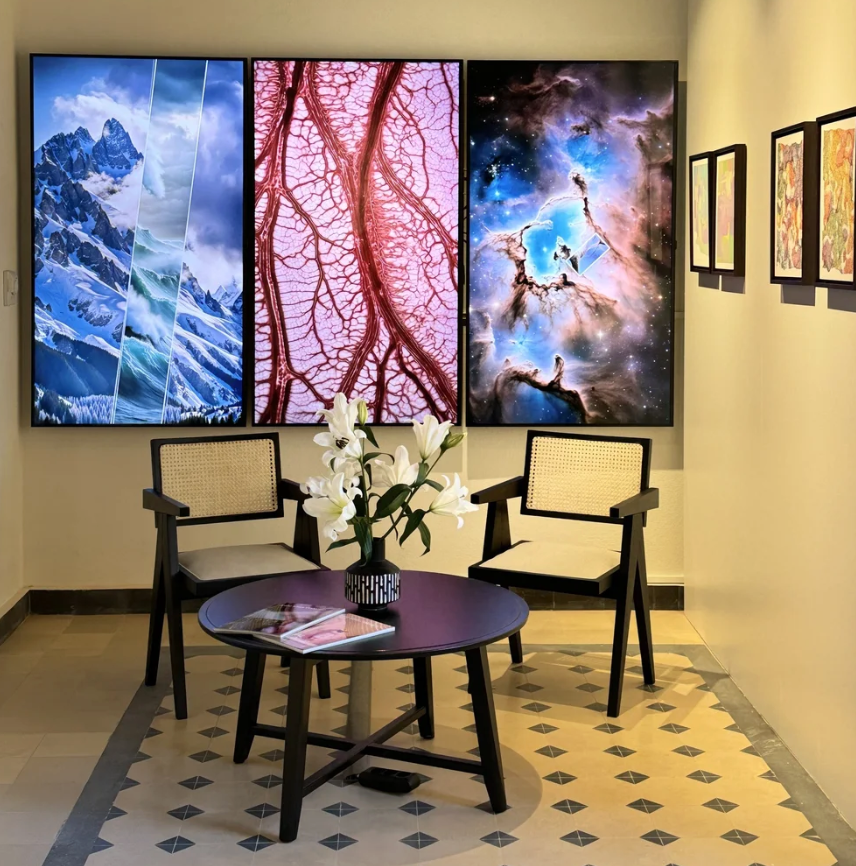
This artwork is part of Memo Akten’s Layers of Perception triptych, comprising Meditation #1, #2, and #3 (2024). The three works are primarily intended to be viewed together and are recommended to be acquired as a complete set.
Description:
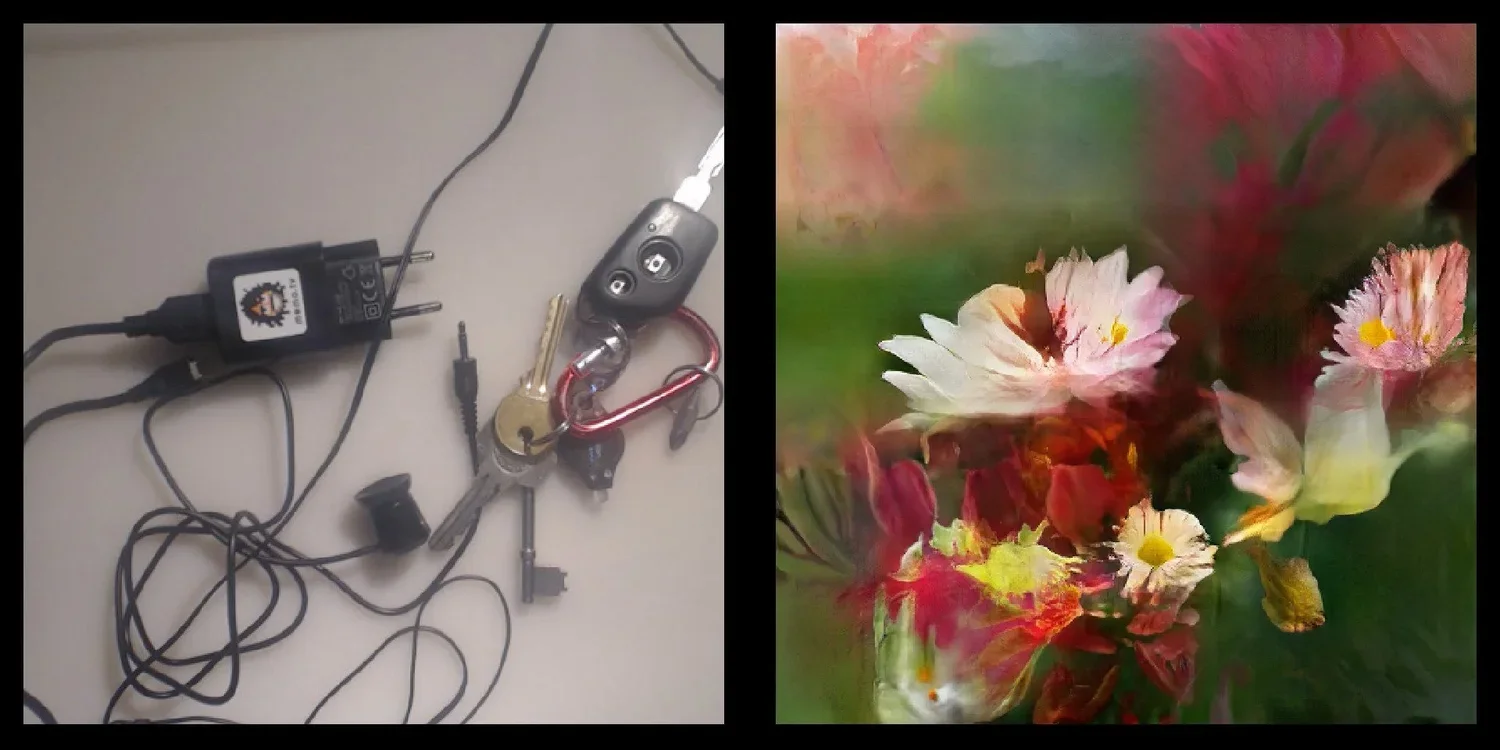
Continuing from my 2017 “Learning to see” series, “Layers of perception” continues my exploration into using state-of-the-art Machine Learning (AI) technologies to investigate human perception, and more broadly speaking, our self affirming cognitive biases, our inability to see the world from others’ points of view, and the resulting social and political polarization.
We see the world through a very specific lens. A lens shaped by both our evolutionary history and biology, and our upbringing and culture.
We have evolved to perceive space at certain scales, scales relevant to our ancestors, prey, predators and immediate environment. Animals, rocks, trees; ranging from grains of sand to mountains. We do have the incredible capacity to build tools to sense scales much smaller and much larger. But we cannot intuitively comprehend these scales, the quantum weirdness of the subatomic realm, or the dynamics of supermassive galactic structures many light years across.
Similarly, we have evolved to perceive time at certain scales, timescales relevant to our ancestors and their activities. And again, though we are able to build tools to sense timescales much smaller and much larger, we cannot comprehend the femtosecond timescales of subatomic particle dynamics, or the geological timescales of erosion, or the cosmic timescales of star and galaxy formation.
The lens through which we see the world is also shaped by our upbringing and culture. It is a very convincing illusion that the reality which we perceive is the truth, the full truth, and nothing but the truth. This illusion, that our individual perceived “reality” is the one true reality, is not compatible with the global communities in which we live, and leaves us vulnerable to political manipulation and polarization, distracting us from the crises we need to solve together.
“Layers of perception” bridges vastly different realities and scales of space and time. For a brief moment, the commonalities between radically different worlds are brought together, and shown in a unified vision. And in doing so, similar to “Learning to see”, the piece works on dual layers. It uses the natural limitations of our neurobiological perception and related biases, as a metaphor to reflect on the limitations of our higher level cognition, how we make meaning, and what we consider to be the truth, and our “reality”.