
Jared S. Tarbell
Website Instagram X
Jared S. Tarbell is a generative artist, developer, and programmer who's worked with code for over 30 years. Born in Albuquerque, New Mexico, Tarbell's encounter with personal computers in 1987 sparked a lifelong passion. Fascinated by the system-like intricacies of the world, he visualizes abstract truths by observing multiple outputs and refining his algorithms. His works bridge to mathematical beauty and abstract exploration, intertwining a subtle sense of spirituality with computational precision.
Featured Work
-
![]()
Gravity, 2026.
Processing / Javascript / Web-based generative artwork, Ed. 1/1 -
![]()
Gravity, 2026.
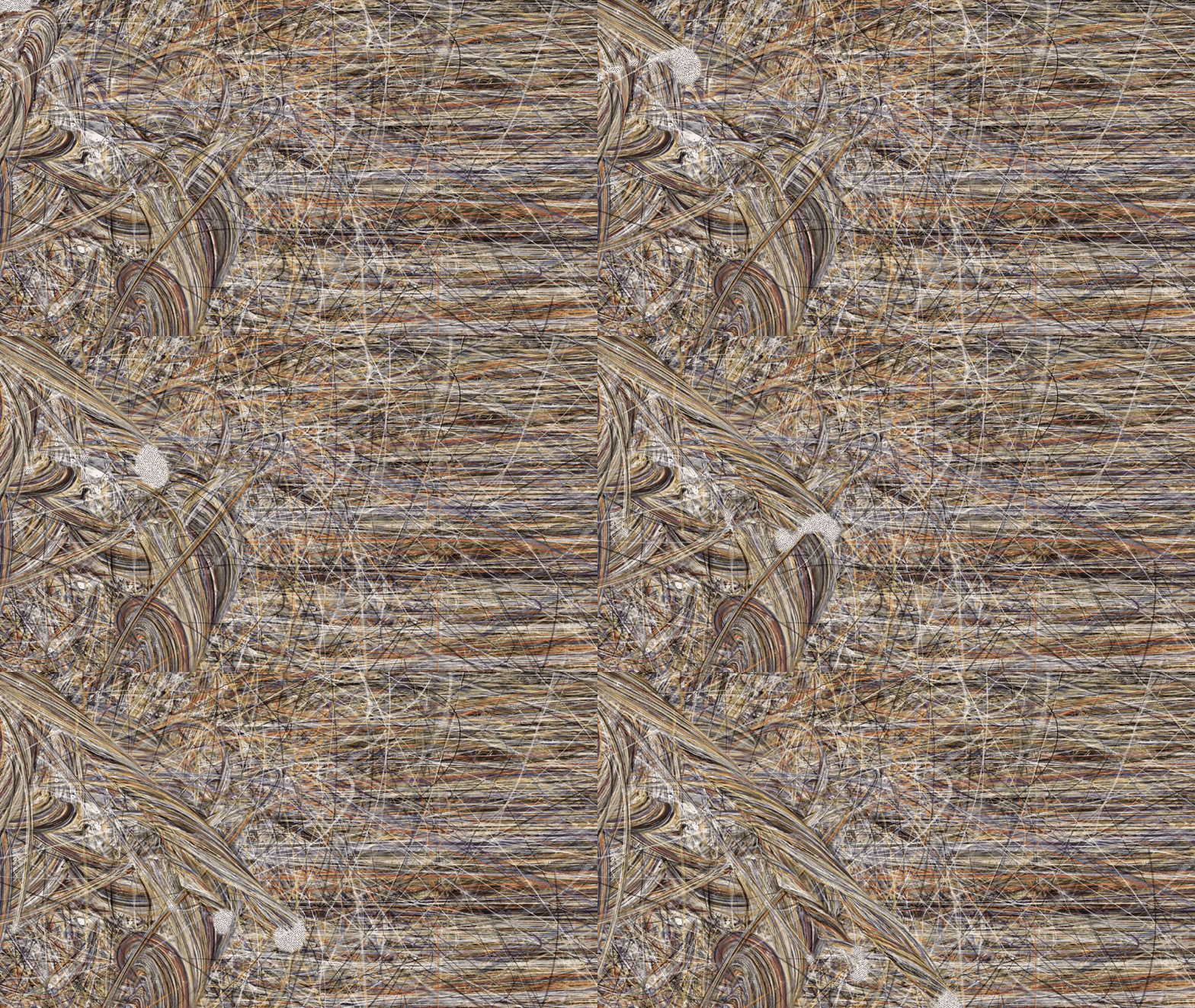
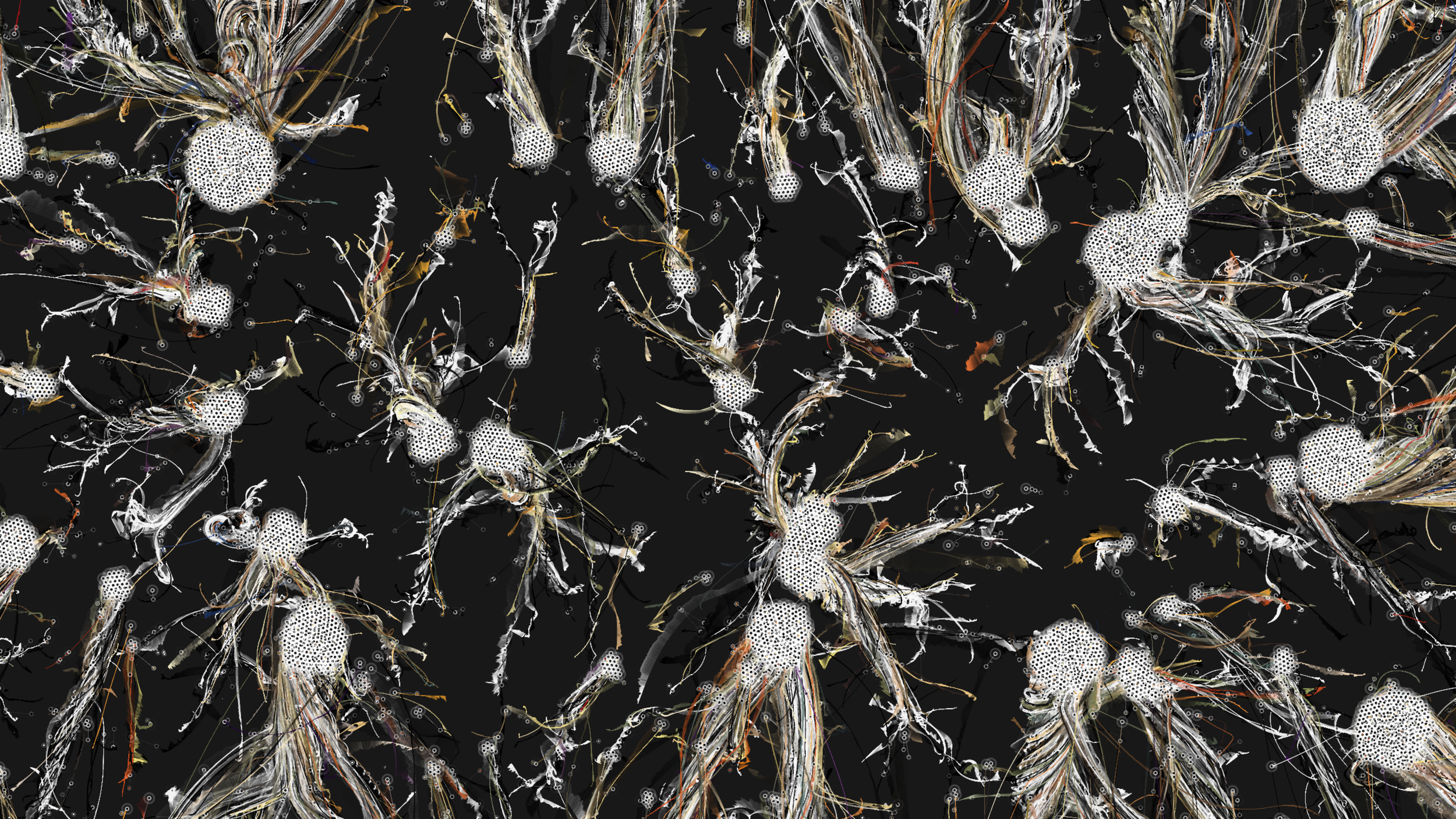
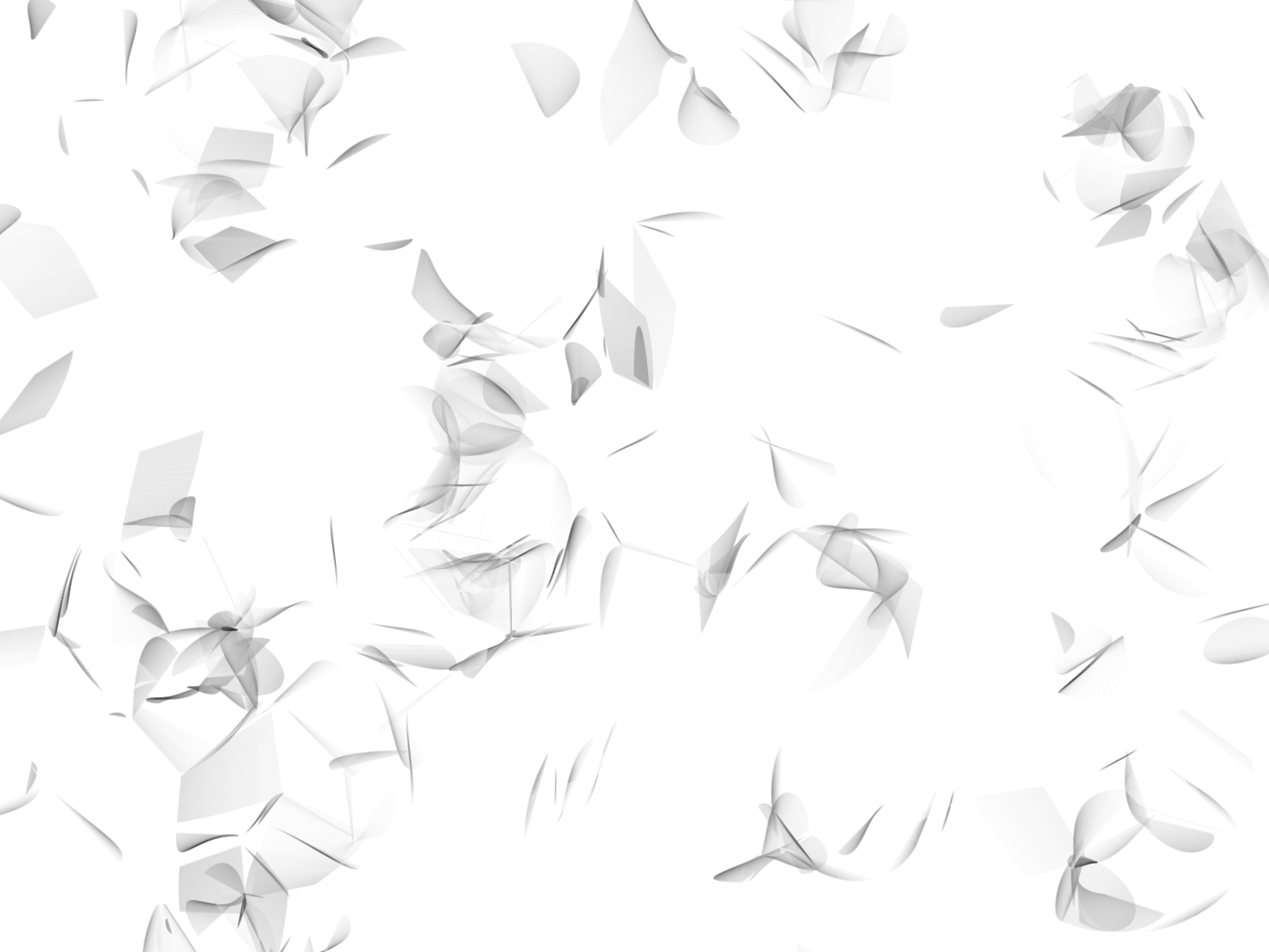
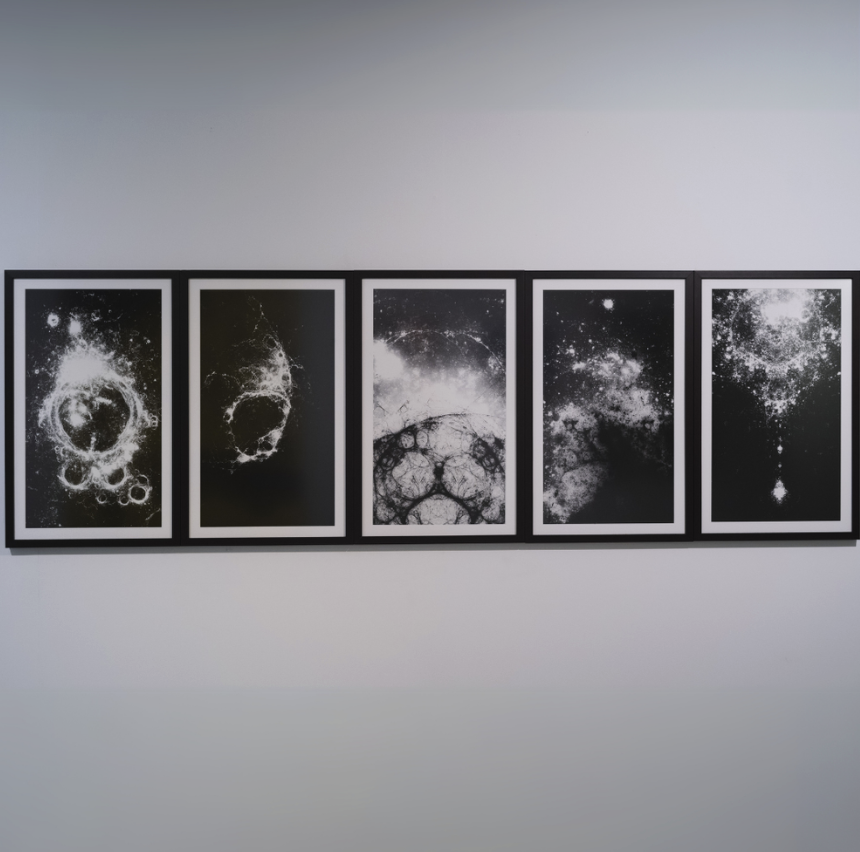
Processing / Javascript / Web-based generative artwork, Ed. 1/1Gravity explores emergent forms resulting from simple gravitational attraction and billiard ball style collision physics. Each particle is a point mass that attracts every other through Newtonian gravity. When particles collide, they bounce with a partial restitution, so some kinetic energy is lost and heat accumulates as a record of how violently they have interacted. Each particle trails a colored pendulum that sandpaints pixels as it swings. The pendulum is a soft elastic body providing visible strokes of both the path of the particle and its inertia. In this way we see a history of structure.
The work is a living drawing. When large numbers of particles begin to amass, energy builds within the system. The mass sometimes appears to breathe, pulsating and spinning while negotiating equilibrium. At a certain threshold, the mass will explode, destroying the structure and ejecting particles at high energy in all directions. In every case, particles dance and spiral in and out of ordered structure.
Interactive controls include the mouse and keyboard. Clicking deposits a small mass of particles at the cursor location. Holding SHIFT and clicking creates a temporary particle emitter. Holding SHIFT and CTRL while clicking creates a laminar plane of particles. The number keys 0-6 create various initial conditions. Press ? for complete interactive controls.
Prolonged inactivity hands the work over to itself. The program begins creating endless compositions in an unattended mode.
First programmed in Processing, later rewritten for the GPU.
I find the uncertain moments of disorder just before explosions most interesting.
Please use Chrome browser for the better experience.
-
![]()
Gravity series, 2026.
Fine art print on cotton rag. 34 x 14". Ed 1/1, signed each.
Processing / Javascript / Archival pigment.

More From The Artist


Further Reading
-
![]()
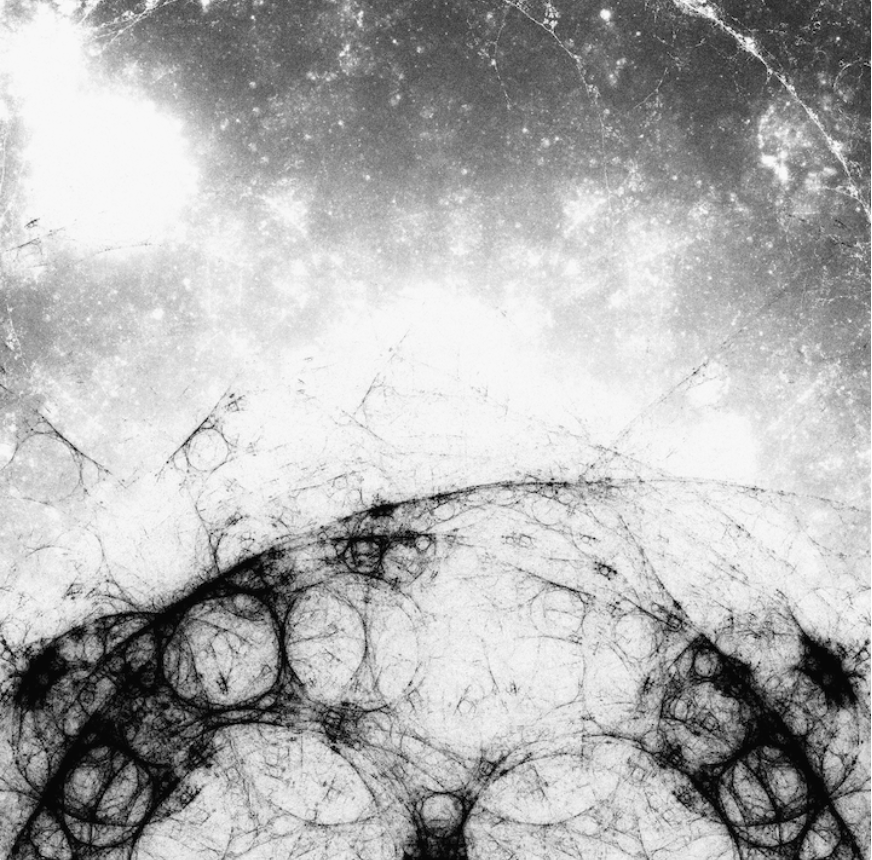
EMERGENCE - INTERVIEW WITH JARED S. TARBELL
For EMERGENCE, Kate Vass speaks with Jared S. Tarbell about emergence as continuous transformation, why surprise matters more than prediction, and whether sufficiently rich computational systems could one day become indistinguishable from life.
-
![]()
INTERVIEW WITH GENERATIVE ARTIST JARED TARBELL
This interview, written by Jason Bailey, explores the pioneering work of generative artist Jared Tarbell, whose code-based artworks evoke a sense of natural beauty and spiritual resonance.
-
![]()
THE INTERVIEW JARED S. TARBELL ON RIGHT CLICK SAVE
This interview with generative art pioneer Jared S. Tarbell, conducted by Kate Vass and Alex Estorick, delves into his 25-year journey of merging computation with natural and spiritual aesthetics.
-
![]()
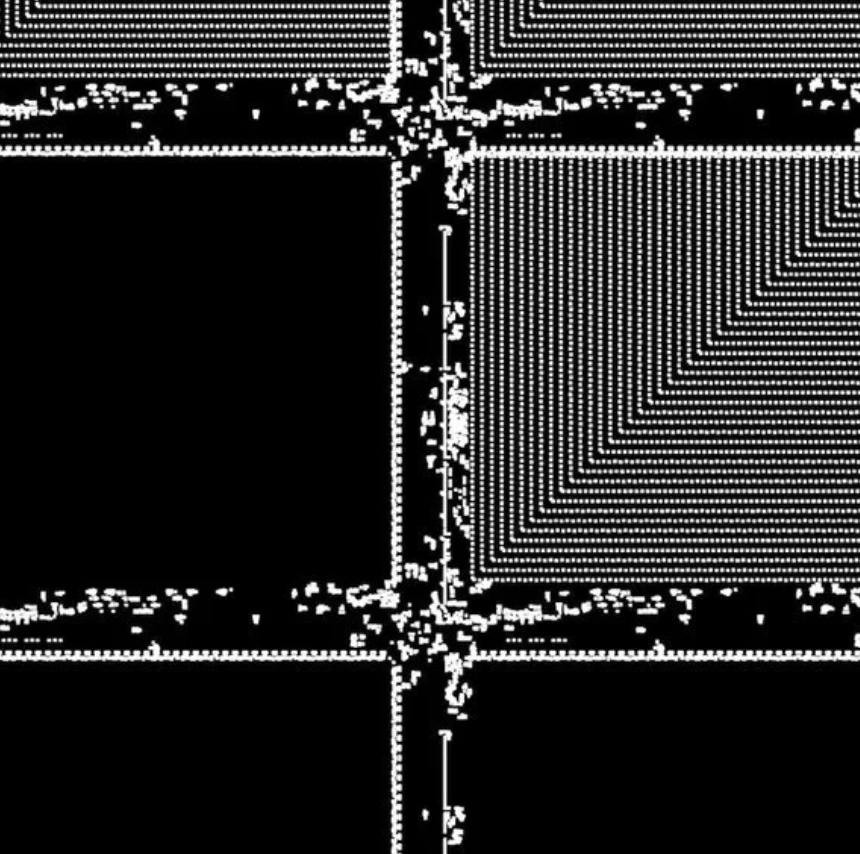
NEW YORK TIMES "THE LASTING LESSONS OF JOHN CONWAY'S GAME OF LIFE"
New York Times publishes an article 'The Lasting Lessons of John Conway's Game of Life' by Siobhan Roberts feat. artworks by generative artist Kjetil Golid, who is also a part of the ongoing art exhibition Game of Life-emergence in generative art at Kate Vass Galerie.
Selected Exhibitions
-
![]()
EMERGENCE, ZURICH, 2026
EMERGENCE is conceived as a living exhibition and traces the evolution of complexity from simple computational rules to collective intelligence. Released over six weeks, each chapter reveals new artists and conversations exploring how interaction gives rise to pattern, organism, and society.
-
![]()
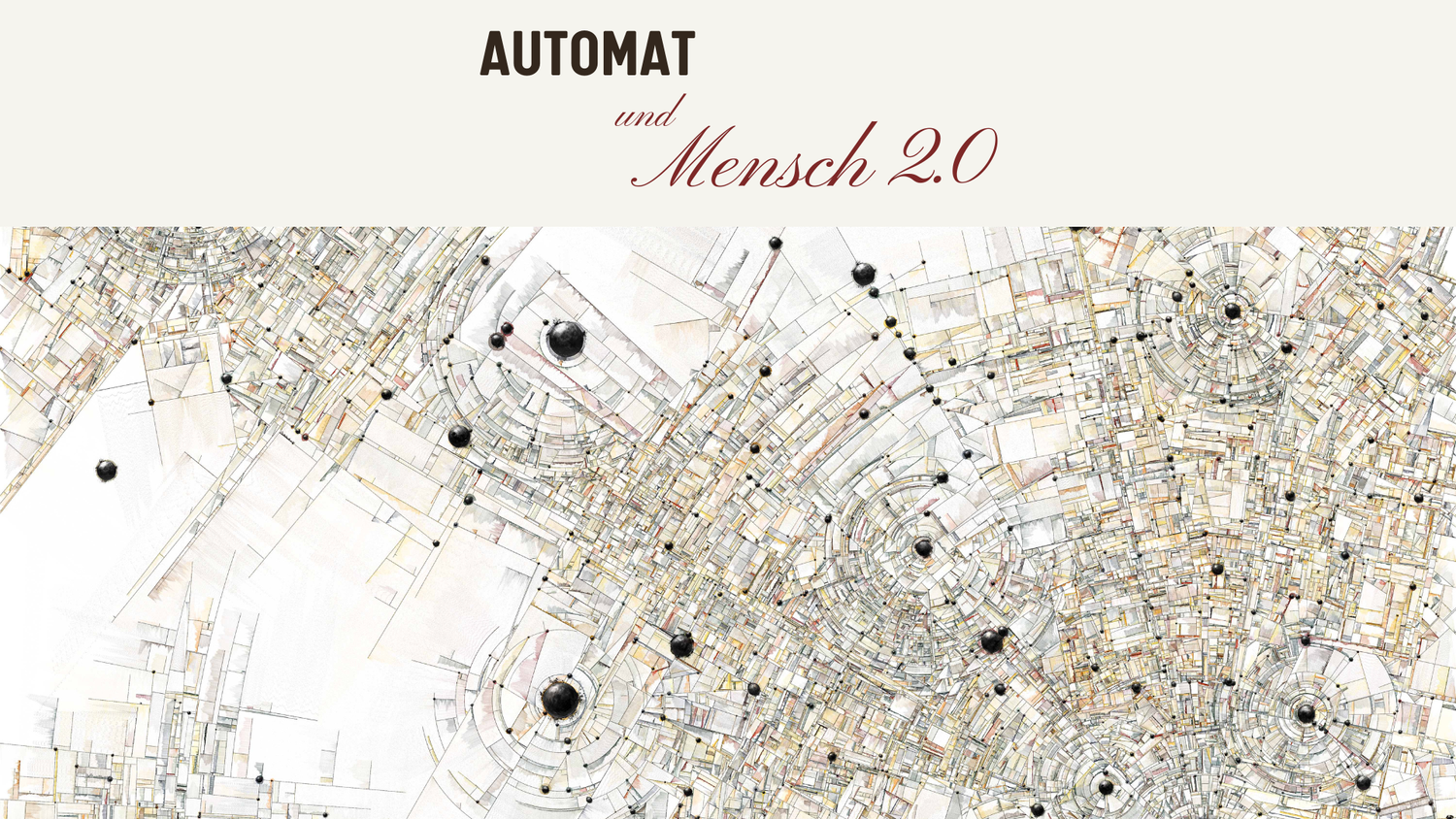
AUTOMAT UND MENSCH 2.0, ZURICH, 2024
As we journeyed 5 years back in time to revisit the Automat und Mensch show, our aim was to reflect upon the trajectory of Al in art and the evolution of generative art over the past half-decade.
-
![]()
ART SALON: NODE TO NODE, PARIS, 2023
In the heart of Paris, we presented Art Salon 'Node to Node, which brought together paintings, plotter drawings, post-photography, and site-specific installations by various artists.
-
![]()
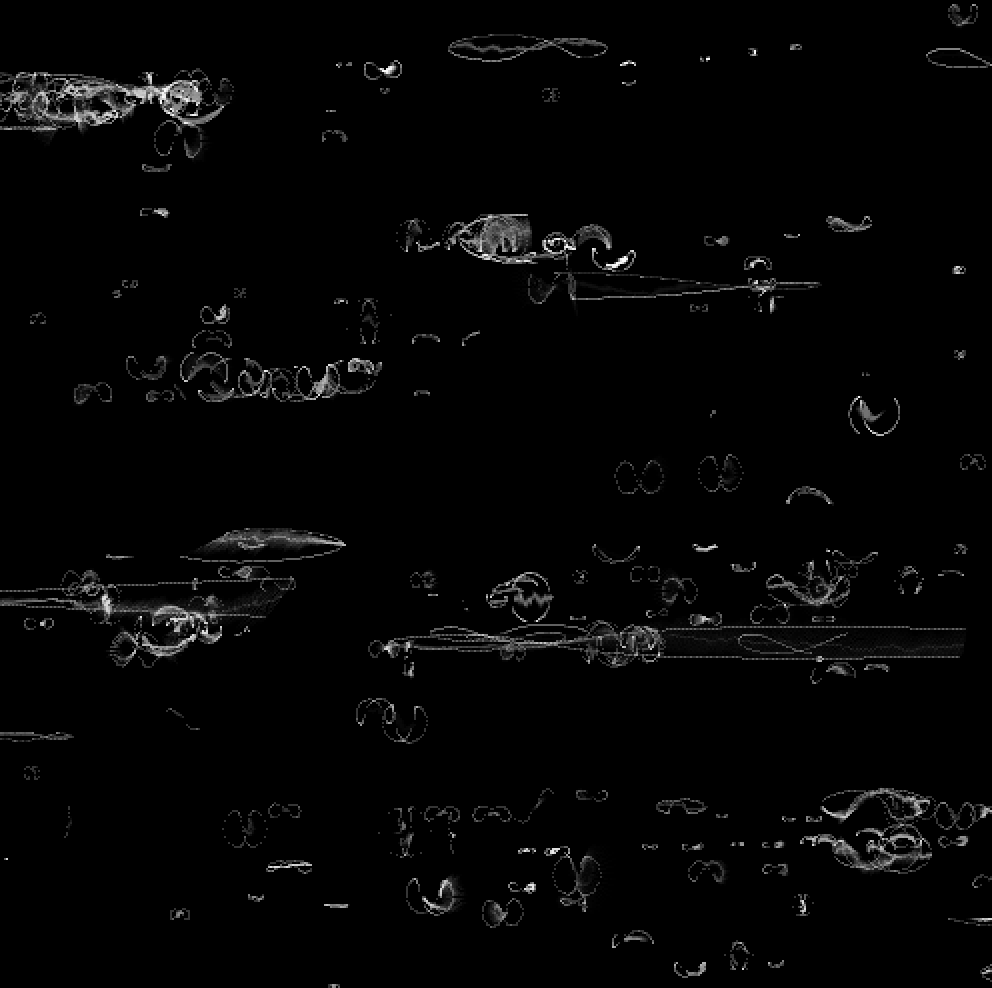
THE GAME OF LIFE, ZURICH, 2020
This exhibition is a tribute to the mathematician John Horton Conway and his famous "Game of Life" theory. We have included four generative artists: Jared S Tarbell, Alexander Reben, Kjetil Golid, and Manoloide.
-
![]()
AUTOMAT UND MENSCH, ZÜRICH, 2019
The Automat und Mensch exhibition is, above all, an opportunity to put important work by generative artists spanning the last 70 years into context by showing it in a single location.
by Jared S. Tarbell
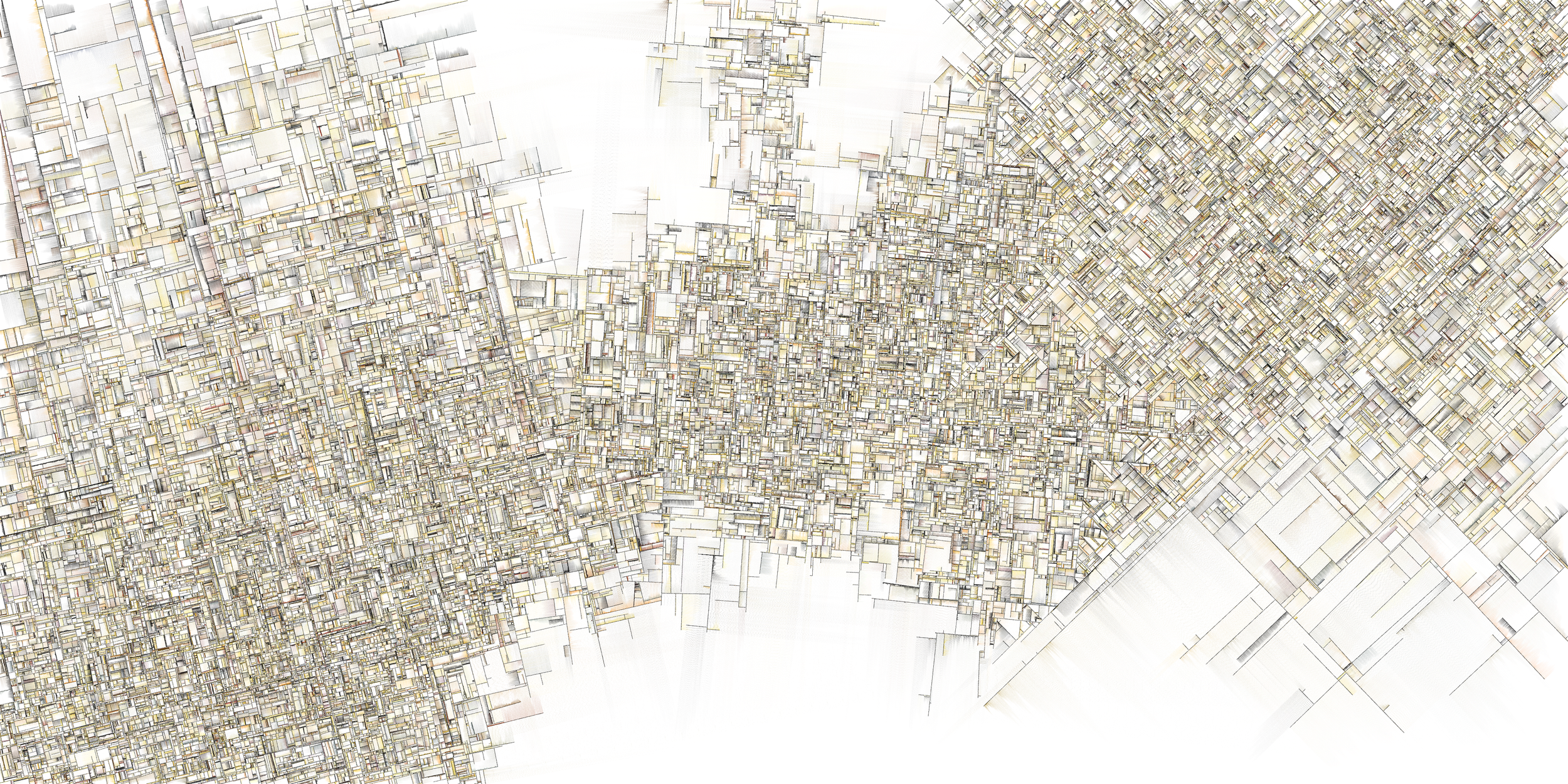
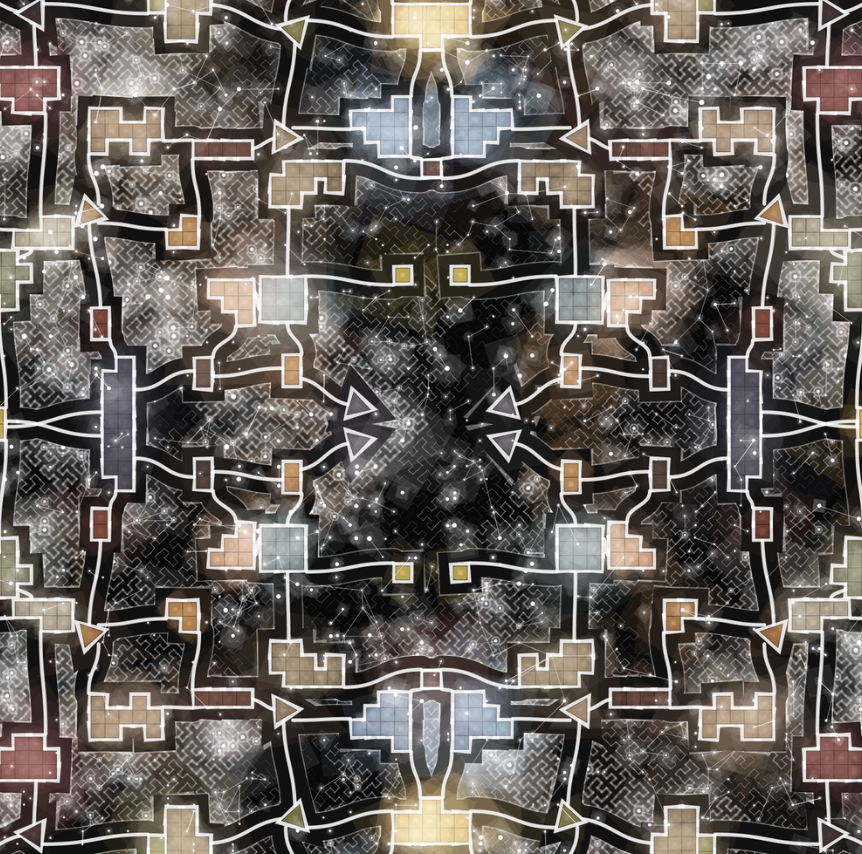
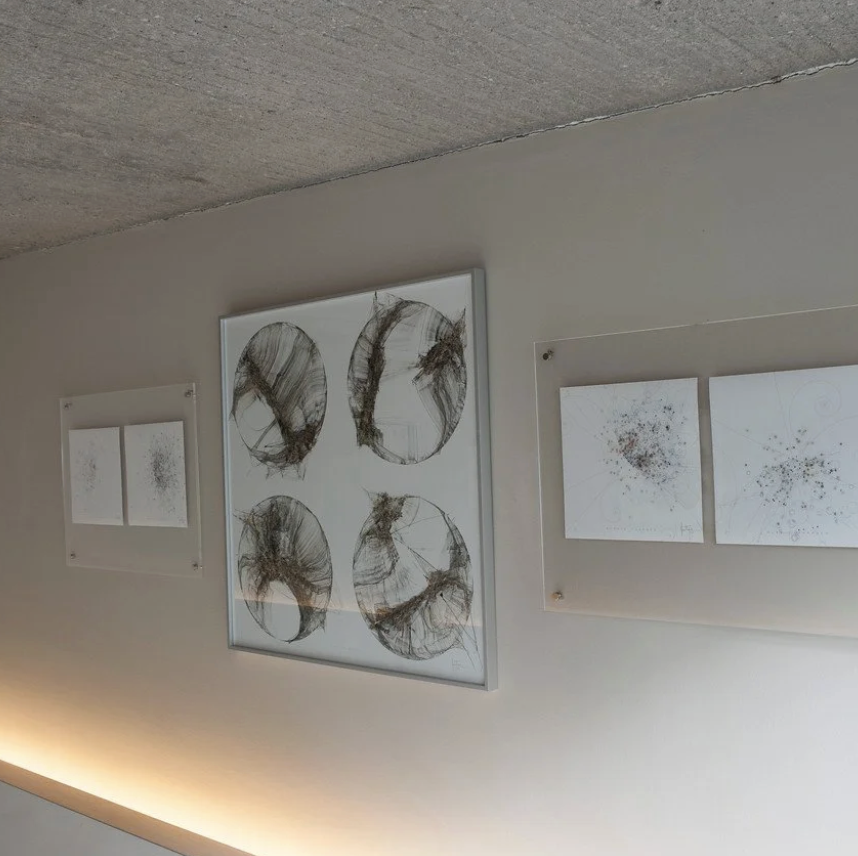
Substrate Subcenter, 2024, by Jared S. Tarbell builds on the generative system behind Substrate, one of the artist’s most iconic works. Created using Processing, the work demonstrates the brilliance of a simple algorithm: lines grow in a specific direction until they reach the boundary of the domain or collide with another line. When a line stops, it spawns at least one new line perpendicular to it at an arbitrary position.
Through this repeated process, an intricate, city-like structure emerges. Substrate Subcenter reflects Tarbell’s artistic and exploratory approach to uncovering possibilities in code, showing how profound and unexpected visual results can emerge from following simple rules.
Available as:
Fine Art Print in size 138 x 68 cm, comes with a COA
Fine Art Print in size 276 x 136 cm, comes with a COA
Unique NFT accompanied by a wall print on request (Price: 5 ETH - for more information, please contact us at info@katevassgalerie.com)