
★Why We Look Together: CryptoPunks and the Psychology of Collective Attention
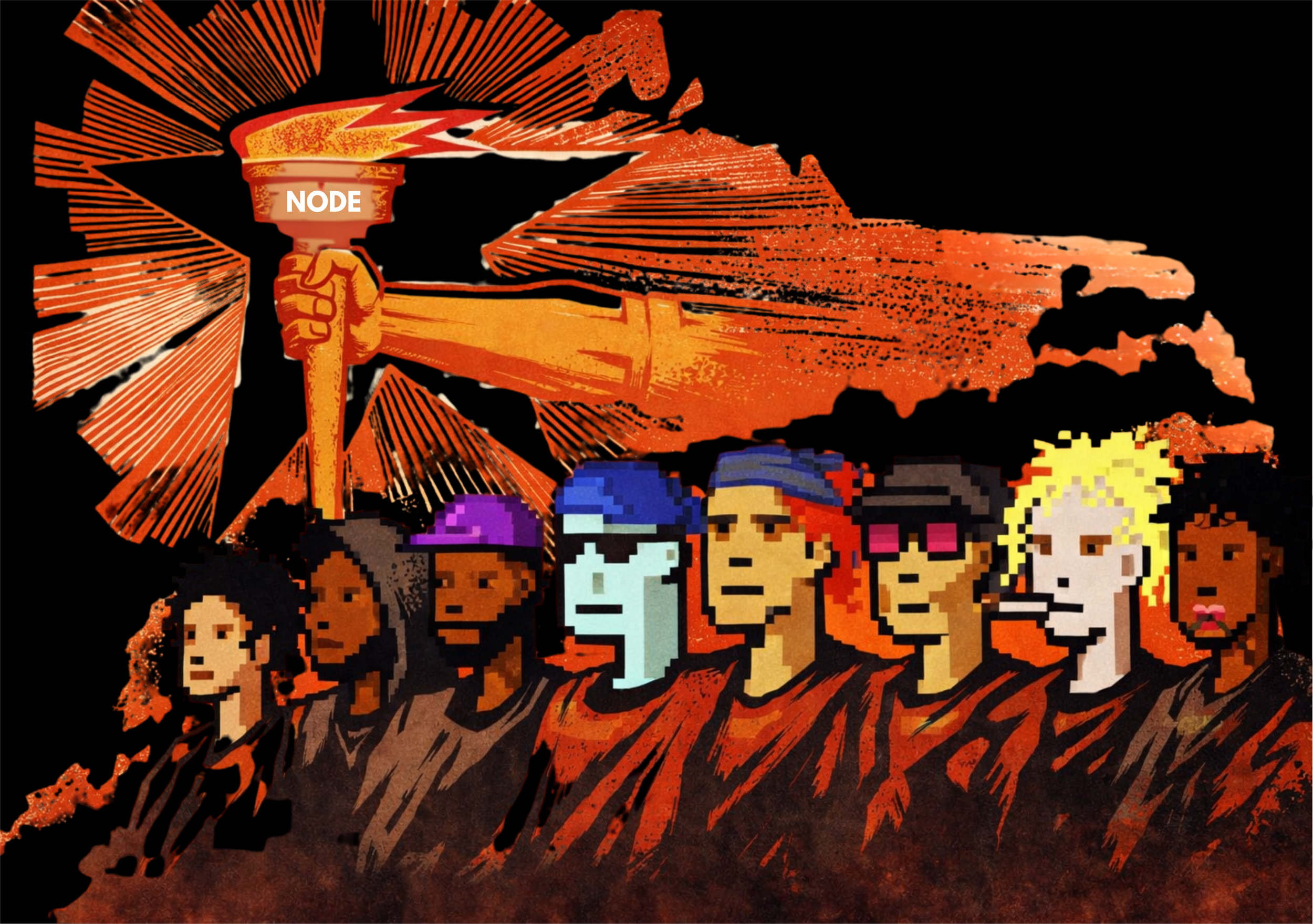
Why do thousands of people care about the same 24×24 pixel faces - and what does that reveal about how culture forms?
CryptoPunks sit at the center of our curatorial history not because of what they later became, but because of what they first demanded: a recalibration of attention.
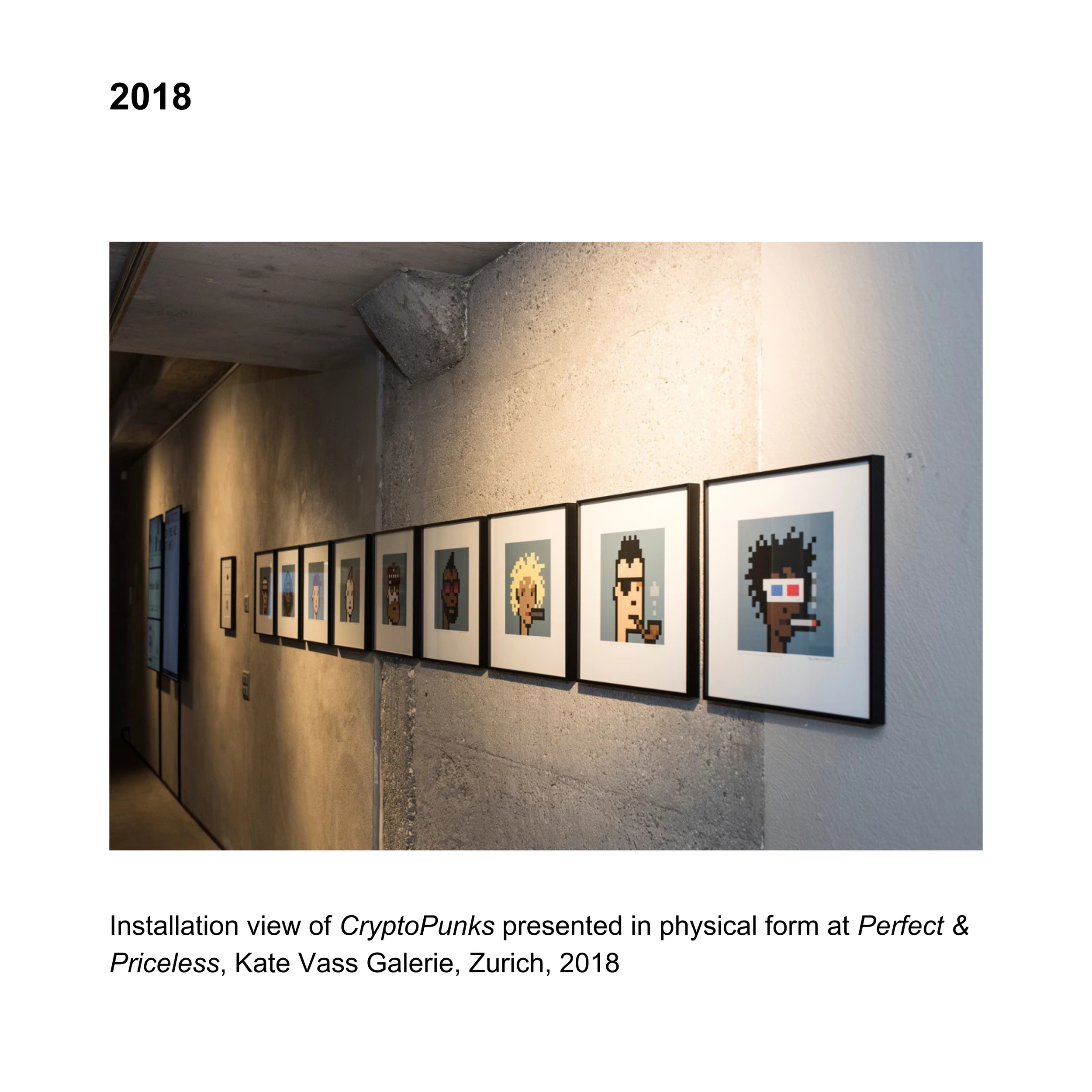
In 2018, when we presented CryptoPunks as artworks in Perfect & Priceless, the gesture was neither symbolic nor retrospective. It marked the first time these on-chain objects were framed explicitly as art within a gallery context in Zurich - physically printed, signed, and publicly acknowledged by Matt Hall and John Watkinson not as developers, but as artists.
At that moment, nothing about CryptoPunks felt inevitable. They appeared fragile, even awkward: tiny pixelated faces, rigidly constrained, carrying a conviction that was difficult to articulate yet impossible to dismiss. Their presence resisted spectacle. Their scale resisted authority. To show them as artworks was less an act of certainty than of intuition - a sense that something structural was unfolding, even if the vocabulary to describe it had not yet stabilized.
The skepticism they provoked was not only aesthetic, but perceptual. Viewers did not yet know how to look at them - or what kind of attention they required. And yet, with time, these same images became among the most recognizable cultural artifacts of the 21st century: circulating simultaneously as artworks, avatars, status symbols, financial instruments, and historical reference points.
This essay does not approach CryptoPunks as isolated images or market phenomena. It treats them as an unusually legible case study of how culture forms under networked conditions - how attention synchronizes, how meaning accumulates, and how network power emerges over time.
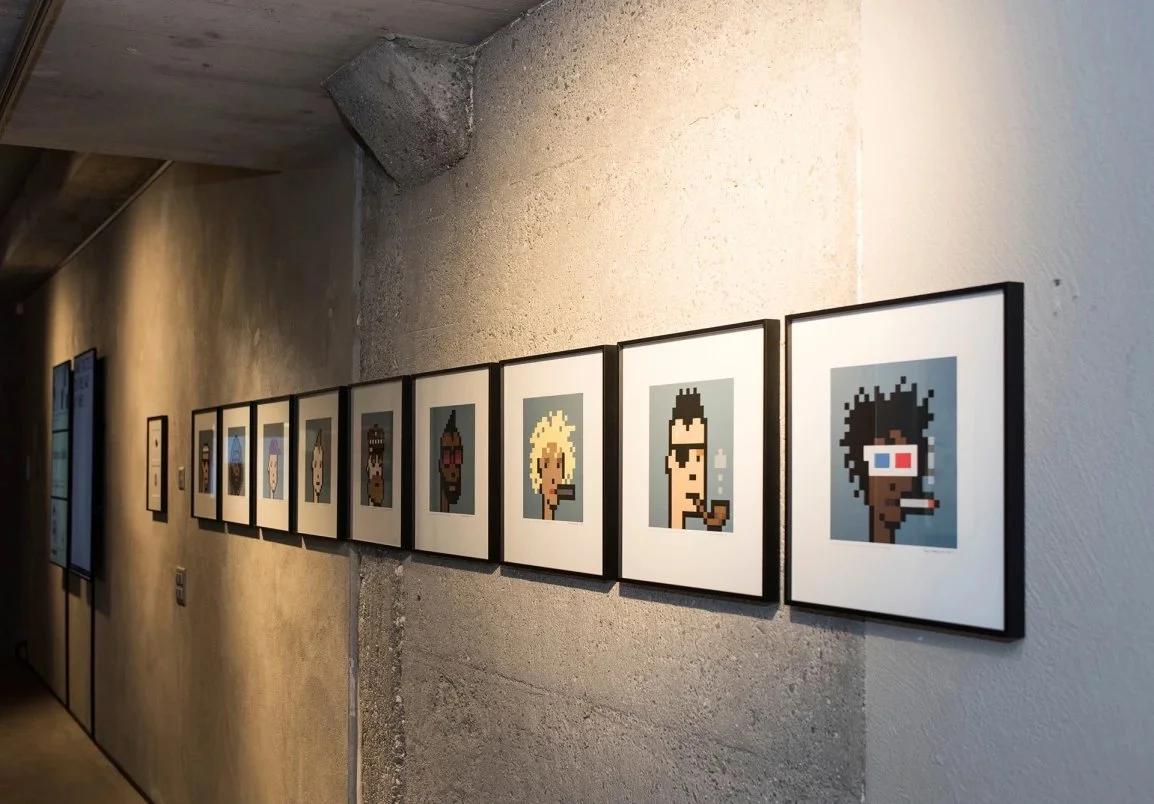
Installation view of CryptoPunks: 24 unique signed prints with sealed envelopes granting access to the digital punks, Perfect & Priceless, Kate Vass Galerie, Zurich, 2018. Image Credit: Kate Vass Galerie
From Objects to Signals: How Networks Learn What to See
Under networked conditions, culture no longer forms through singular authorship or institutional approval. It forms through coordination.
Long before something becomes meaningful, it becomes visible. And long before it becomes visible everywhere, it becomes visible together. Digital culture is not persuaded into existence; it emerges through the slow alignment of attention. Shared looking precedes shared understanding. Repetition precedes belief.
This dynamic predates blockchains. Early internet culture - forums, image boards, chat rooms - already showed how meaning could emerge without permission. Memes, avatars, and in-jokes succeeded not because they were authoritative, but because people kept returning to them together. What digital systems changed was not the mechanism, but its speed, persistence, and visibility. Attention became public, measurable, and cumulative.
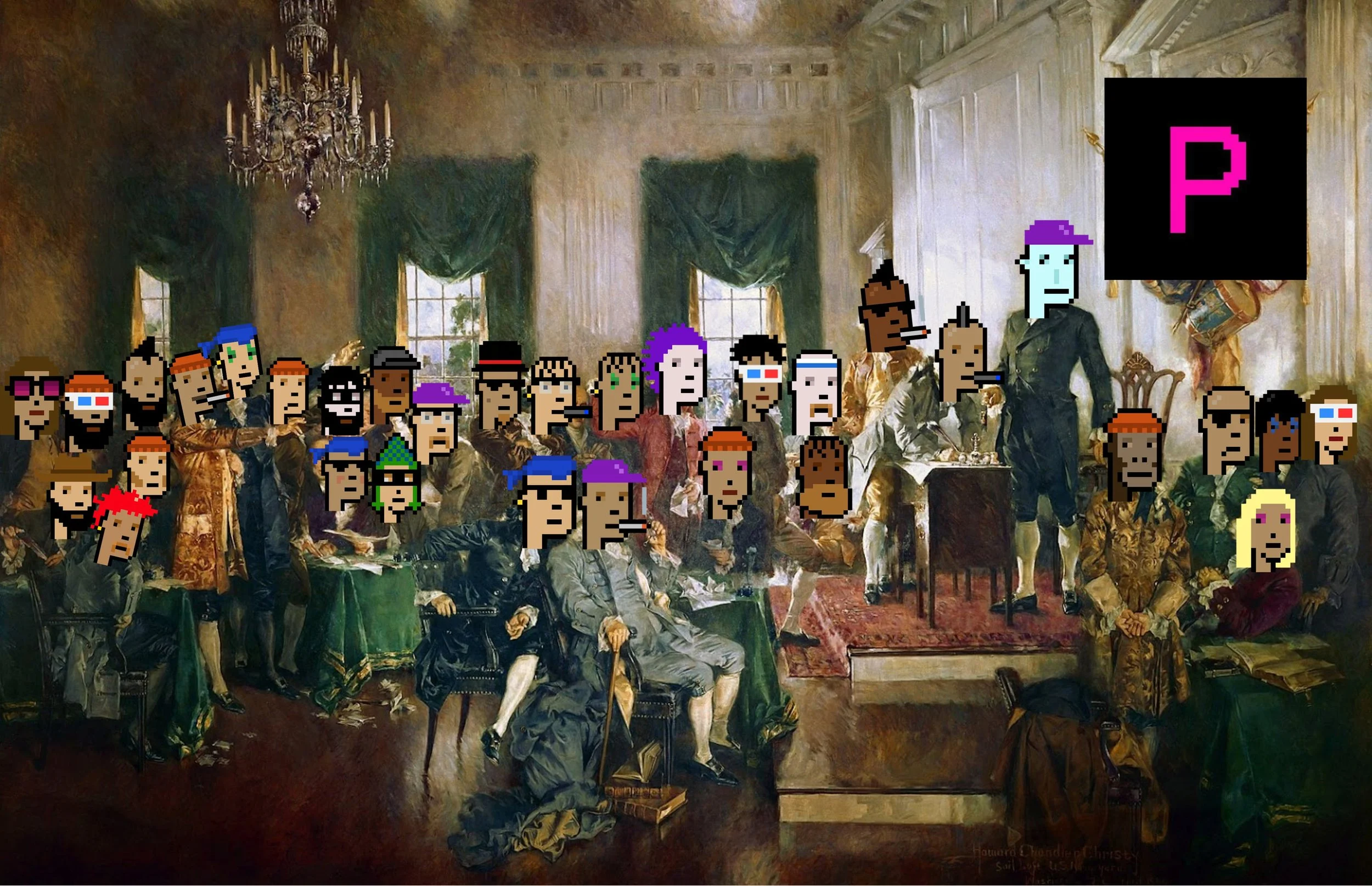
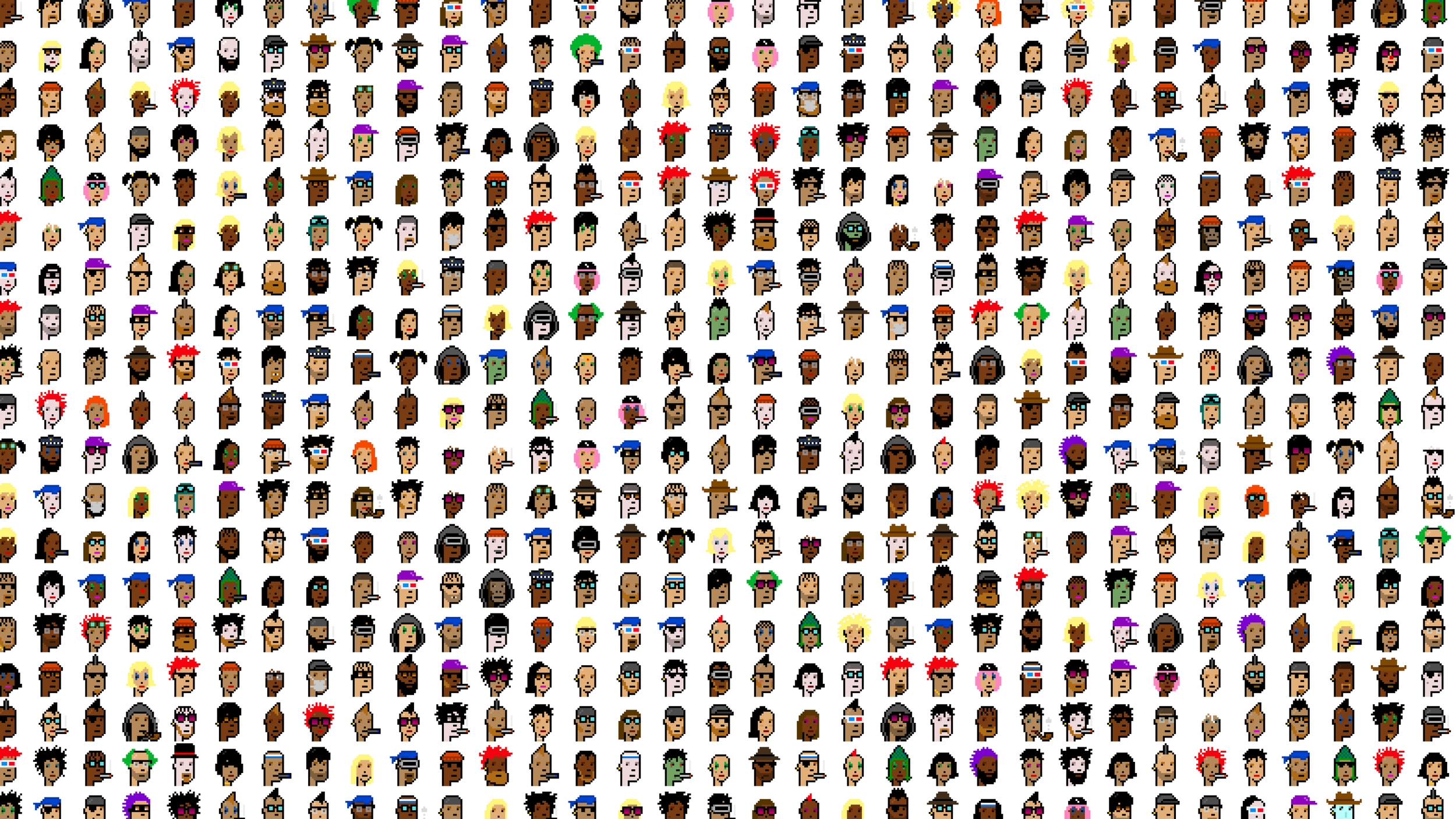
Long before something becomes meaningful, it becomes visible together. Image credit: Punk DAO
CryptoPunks emerged inside this logic.
Their early circulation across Twitter, crypto forums, and early Discords did not immediately produce agreement about what they were or why they mattered. What it produced was synchronized looking. Before people agreed on meaning, they agreed - often unconsciously - that these images were worth looking at together.
Collectors compared traits, debated rarity, and slowly developed a shared vocabulary. Through repetition and proximity, a grammar formed. Familiarity bred legitimacy. Recognition invited participation. This marks a crucial inversion: value does not precede attention; attention creates the conditions for value to emerge.
CryptoPunks did not go viral so quickly as they may seem. For years, they occupied a liminal state - recognized by some, ignored by many. In their interview in Collecting Art Onchain, Matt Hall and John Watkinson recall that “it was just a small group of people who were interested at the time, so it was still a pretty small scene.” (Proof of Punk: When Code Became Culture, in Collecting Art Onchain, 2025. p. 89.) But networks operate with thresholds. Once enough people realize that others are also looking, attention becomes self-reinforcing. Visibility no longer depends on novelty, but on mutual acknowledgment.
At that point, CryptoPunks ceased to function merely as images. They became social signals. To hold one, display one, or reference one was to signal participation in a shared history of looking. Their significance lies less in being early NFTs than in documenting how digital culture now learns what to see.
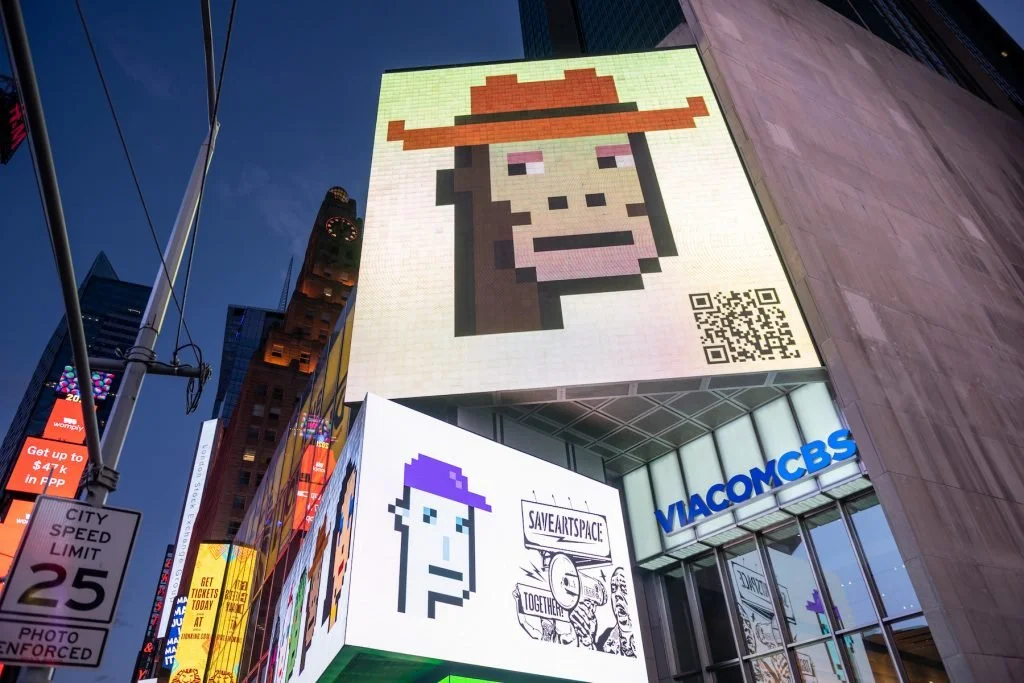
CryptoPunks displayed on a digital billboard in Times Square, 2021. Image credit: Alexi Rosenfeld/Getty Images
The Return of the Face: Identity After Anonymity
The rise of CryptoPunks exposes a central paradox of the digital age. Early internet culture - shaped by cyberpunk imaginaries and libertarian ideals - promised post-identity fluidity: anonymity, usernames, disembodiment, and escape from fixed social markers. Yet as decentralized systems matured, identity collapsed back into faces.
This return is not accidental. The face is humanity’s oldest social interface. Across cultures, faces anchor trust, recognition, and status. Masks, portraits, icons, and effigies have long mediated between the individual and the collective. Digital psychology consistently shows that faces trigger rapid affective responses, enabling attribution, memory, and social bonding even in abstract environments.
CryptoPunks are paradoxical objects: anonymous yet deeply personal; generic yet singular; mass-produced yet intensely identified with. They function simultaneously as masks and portraits. As avatars, they protect privacy. As faces, they enable recognition. In trustless systems - where legal identity is absent and interaction is mediated by wallets rather than names - the face re-emerges as a stabilizing symbolic anchor.
Web3, in some way, reconfigured identity. Reputation replaced biography. The avatar became a reputation container - a visual proxy through which trust, credibility, and continuity could be negotiated without revealing the person behind it. Matt Hall and John Watkinson explicitly hoped that collectors would adopt Punks as personal identities. The minimalist, video-game-inspired aesthetic enabled this shift. As they explained, “the minimalist, video game art-inspired portrait aesthetic allowed owners to proudly display their CryptoPunks as their profile pictures on social media.” (Proof of Punk: When Code Became Culture, in Collecting Art Onchain, 2025. p. 76.)
The Punk moved from image to interface.
The avatar became a reputation container, a visual proxy for trust, credibility, and continuity without revealing the person behind it. Image credit: curated.xyz
Even in systems designed to decentralize authority, humans continue to organize belonging around faces.
Seen this way, CryptoPunks belong to a much longer lineage. Roman busts marked citizenship. Funerary portraits bound identity to memory. Coins circulated authority through repetition. Heraldry compressed belonging into readable systems. In each case, the face functioned as an interface - a way to be recognized and situated within a collective.
CryptoPunks are not expressive portraits in the art-historical sense. They are recognition devices. Their power lies not in depiction, but in reliable legibility within a shared network.
Intention, Restraint, and the Metaphysics of Release
CryptoPunks emerged from an experiment with remarkably little strategic foresight: no presale, no roadmap, no royalties, no institutional backing. And yet, it produced coherence rather than collapse.
The free-to-claim mechanism was central. While technical barriers still existed, the absence of presales and whitelists delayed speculation and foregrounded participation. Ownership was motivated by curiosity rather than capital. There was no demand to perform belief, no narrative to optimize returns. The system was released - and then left alone. Looking back, Hall and Watkinson note that introducing barriers such as paid mints or royalties could have altered the project fundamentally: “making the CryptoPunks not free to claim, or attempting to charge a royalty on sales may have changed the entire trajectory of the project, or possibly even caused it to fail to take off at all.” (Proof of Punk: When Code Became Culture, in Collecting Art Onchain, 2025. p. 76.)
By refusing to over-determine outcomes, the creators allowed the network to do its own work. Trust did not emerge from authority or persuasion, but from transparent code and shared uncertainty. Participation itself became the medium of meaning.
There is a metaphysical dimension here that is difficult to ignore. In complex systems, intention reveals itself retroactively, through outcome rather than declaration. When incentives are misaligned, networks fracture. When extraction is embedded, cultures thin out. When attention is coerced, belief collapses.
The sustained coherence of the CryptoPunks network suggests that something in the initial conditions was unusually clean.
At scale, meaning no longer resided in any single Punk. It emerged from the relational field among them. Value became social rather than intrinsic. As Larva Labs later reflected, even the edition size became part of this social calibration: “the project grew into the 10,000 number and it became a kind of ‘Goldilocks’ amount; rare enough to still be precious, but numerous enough that many thousands of collectors could participate and form a community.” (Proof of Punk: When Code Became Culture, in Collecting Art Onchain, 2025. p. 79.) The success of the 10,000 model was not about numbers, but about alignment - intention, participation, and visibility without force.
The network did not grow because it was engineered to win.
It grew because it was given space to exist.
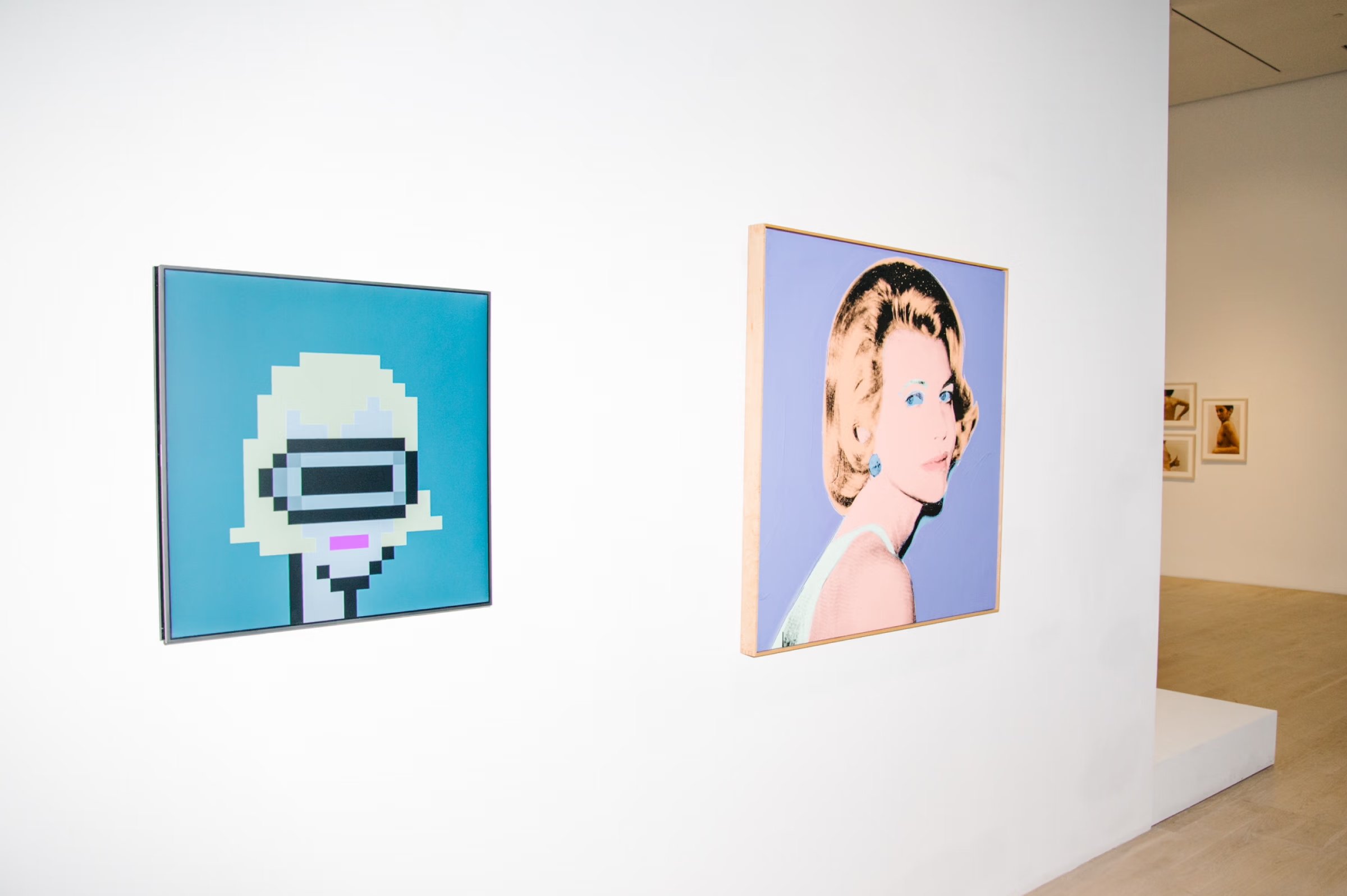
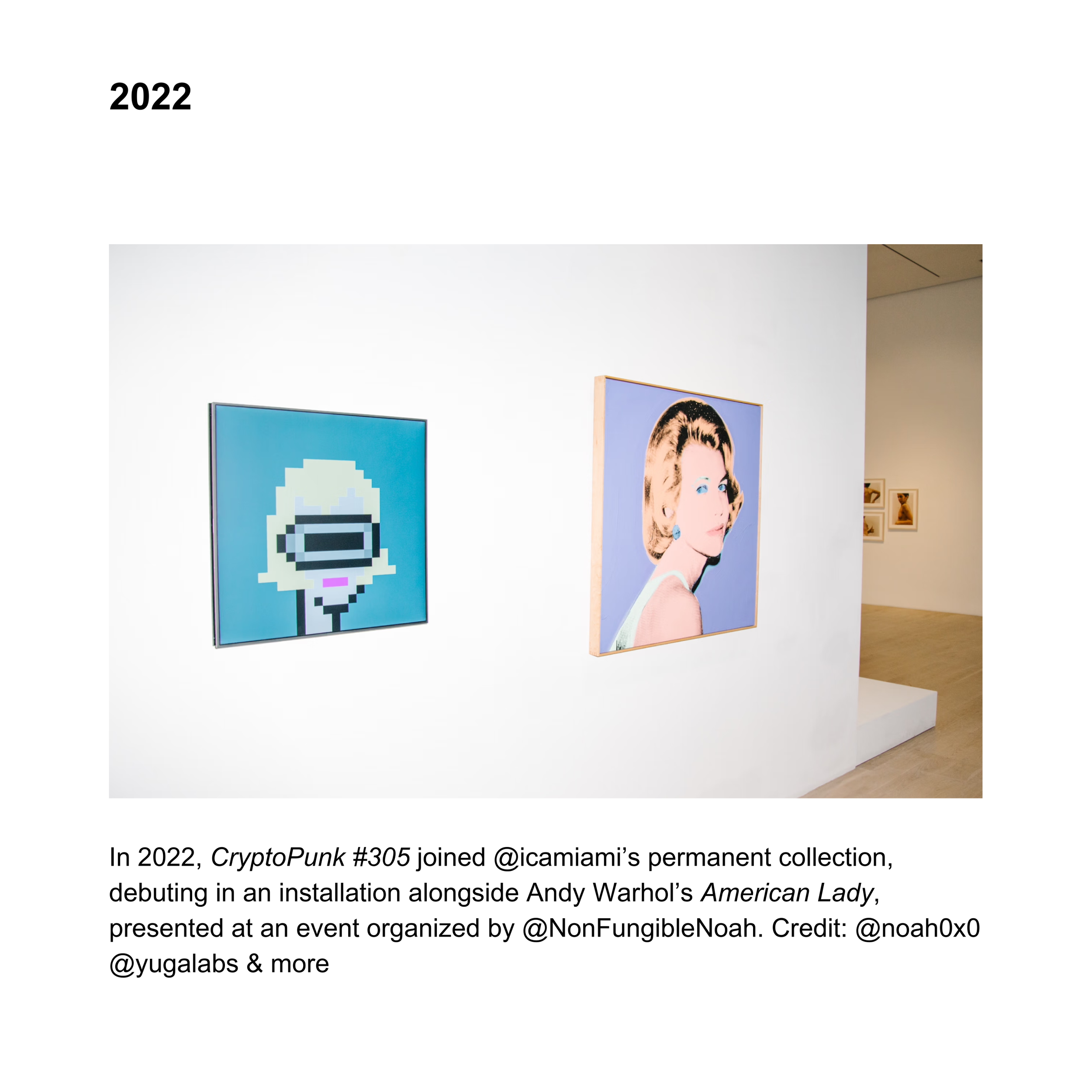
In 2022, CryptoPunk #305 joined ICA Miami’s permanent collection, where it was presented alongside American Lady by Andy Warhol. Image credit: ICA Photographer, Bob Foster
Ownership, Absence, and Cultural Maturity
This becomes most visible when listening to collectors. In conversations for Collecting Art Onchain, nearly everyone either owned a CryptoPunk, cited one as formative, or expressed regret at not having acquired one.
That regret is often misread as financial. It is cultural.
What is mourned is not missed appreciation, but missed proximity to a moment when collective meaning was still fluid. CryptoPunks function as temporal markers - signals of presence during a formative phase. Their absence remains psychologically active. Even non-owners orient themselves in relation to them.
Imagine the world without them, on-chain culture would likely still exist, but its shape would be different. Identity might have emerged later, through more complex or similar systems. Community might have formed around utility rather than faces. Meaning would have accumulated unevenly, through isolated experiments rather than a shared early moment of learning.
What becomes clear is this: CryptoPunks mattered less as objects than as catalysts. They set network effects in motion that compounded over years, not weeks. Attention led to recognition. Recognition to belonging. Belonging to memory. Memory to culture. As Hall and Watkinson themselves describe, “We think of the Punks as primarily an interactive work. It gains importance and significance due to the interactions of the people and organizations that own them.” (Proof of Punk: When Code Became Culture, in Collecting Art Onchain, 2025. p. 85.)
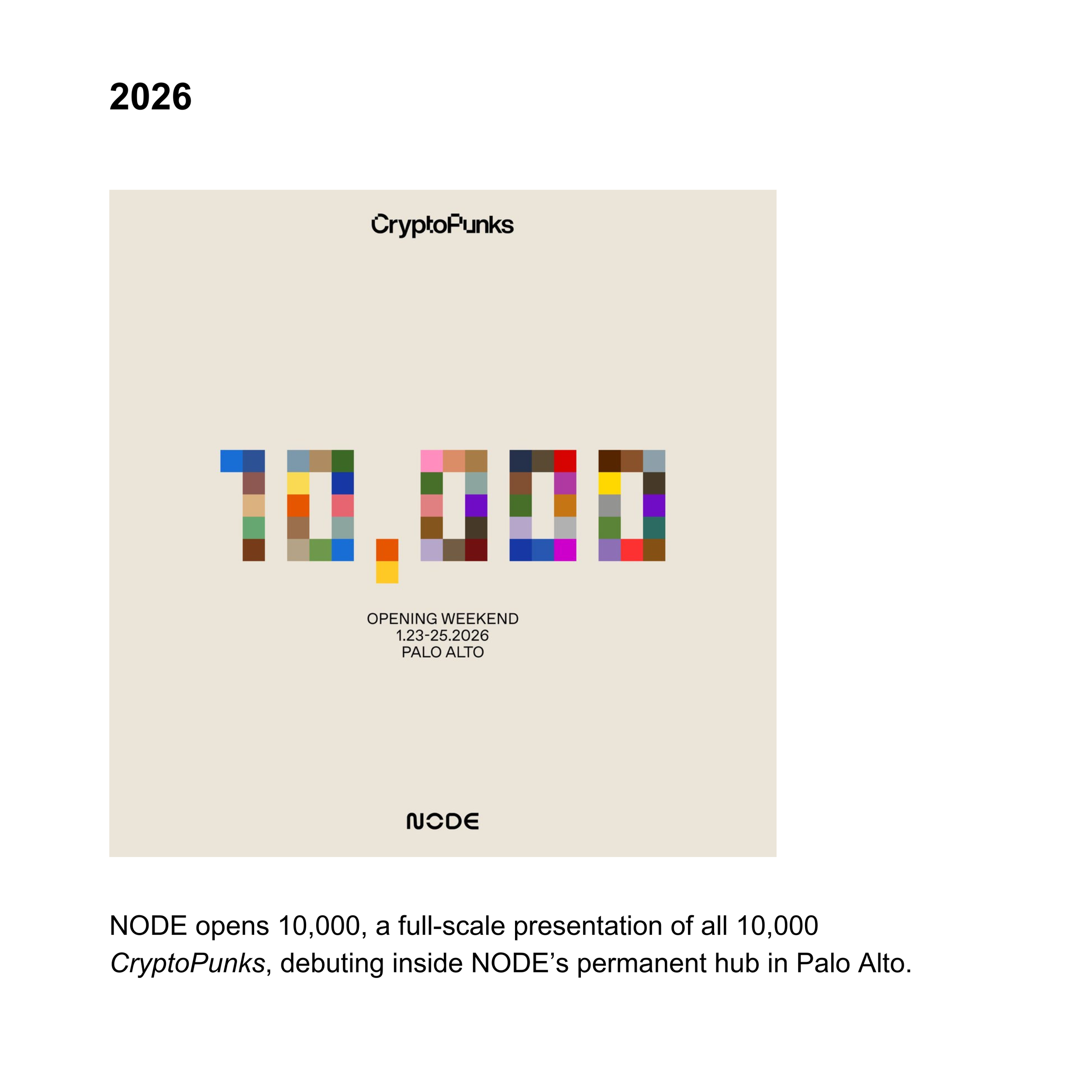
Seen this way, the emergence of custodial structures like NODE is not a rupture, but a consequence. Mature networked cultures begin to care for themselves — not to fix meaning, but to preserve the conditions under which meaning can continue to evolve.
CryptoPunks did not simply demonstrate a successful project.
They demonstrated what it looks like when a decentralized culture grows up.
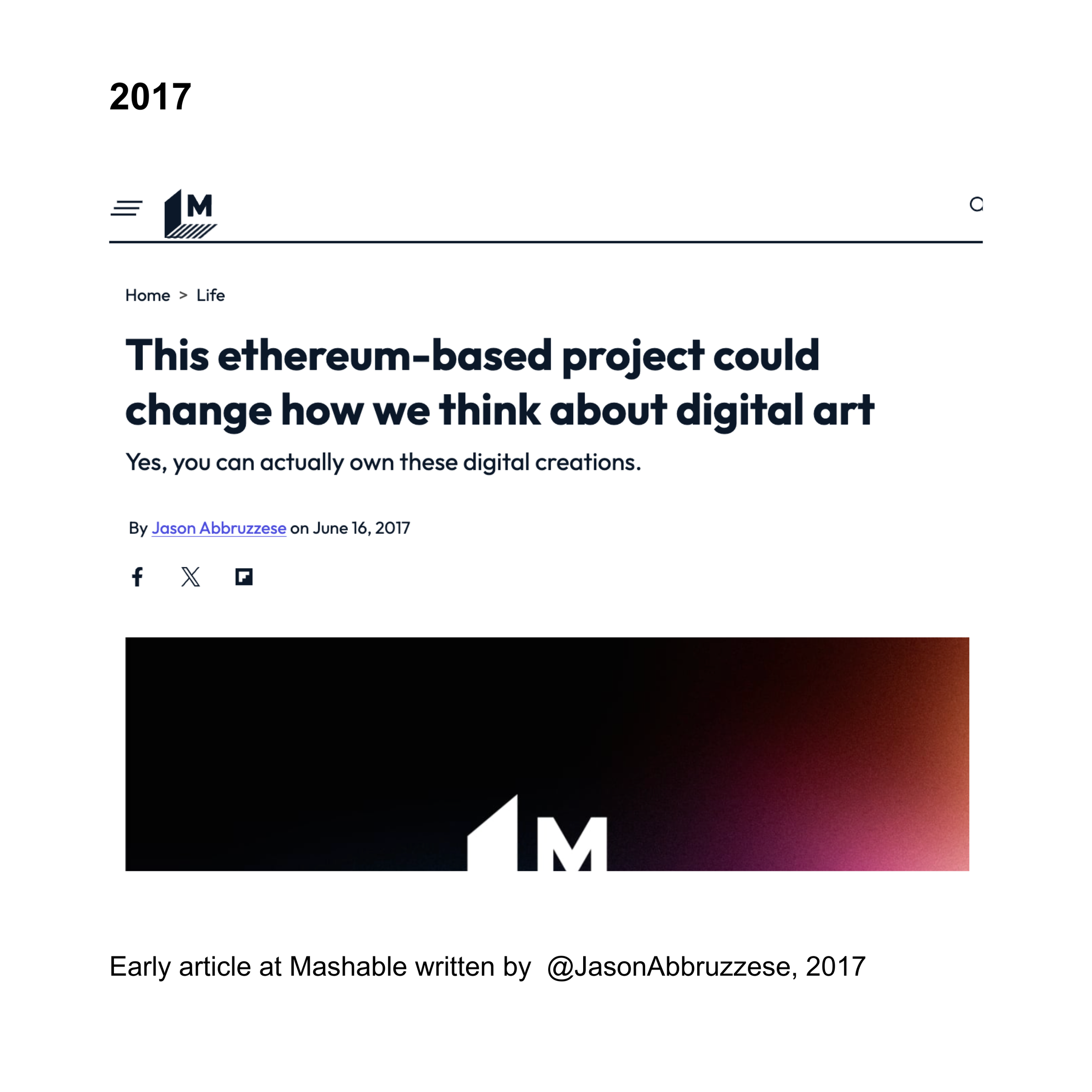
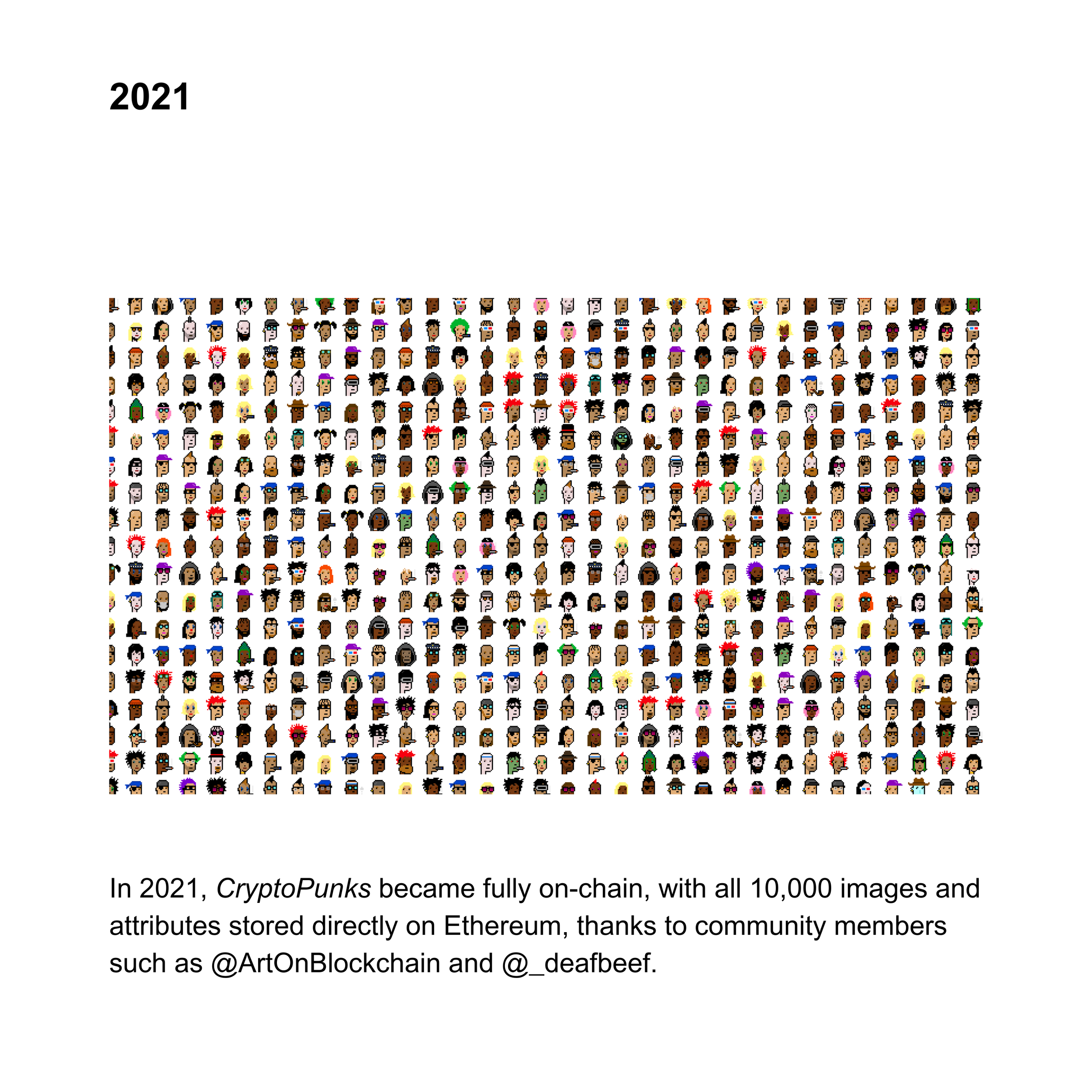
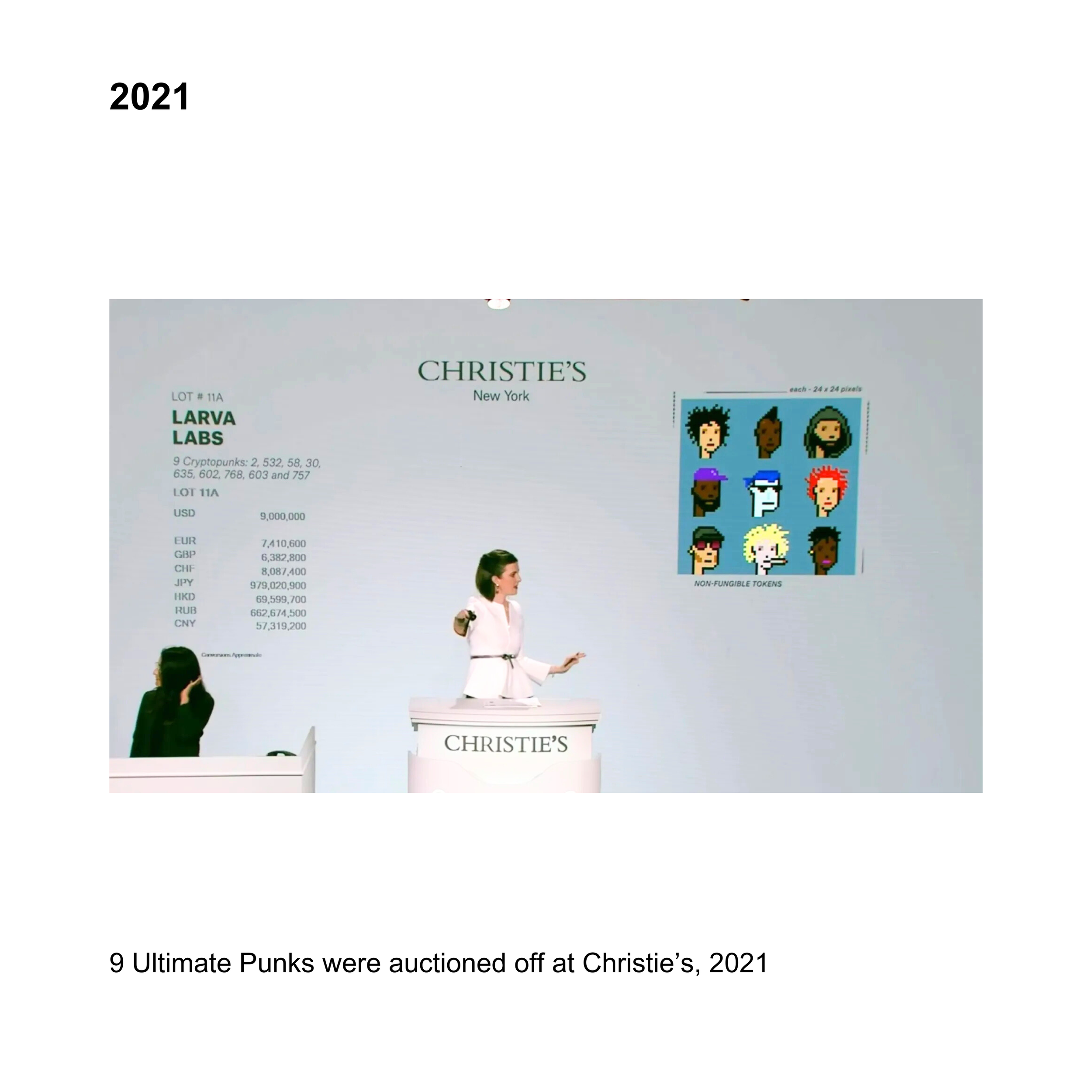
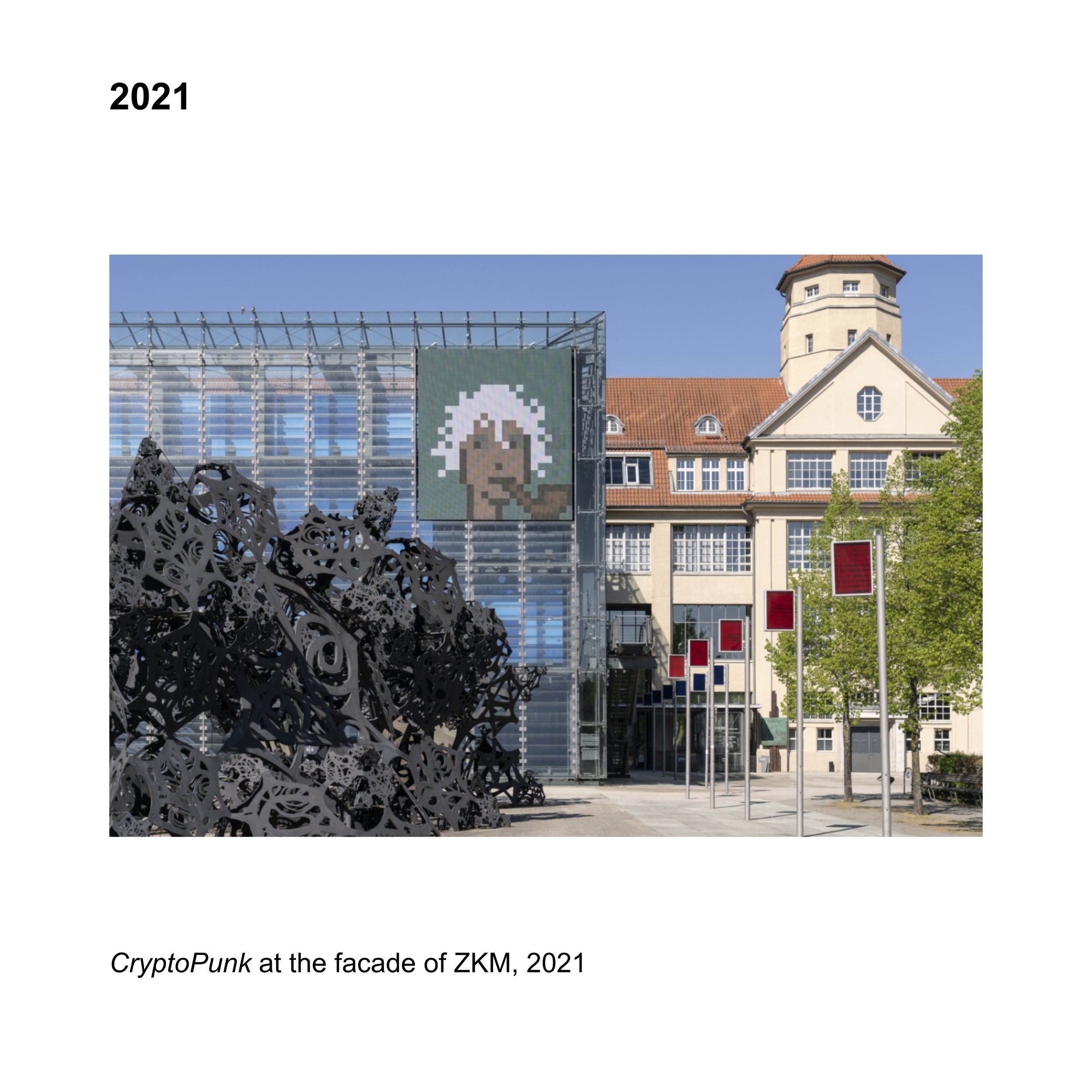
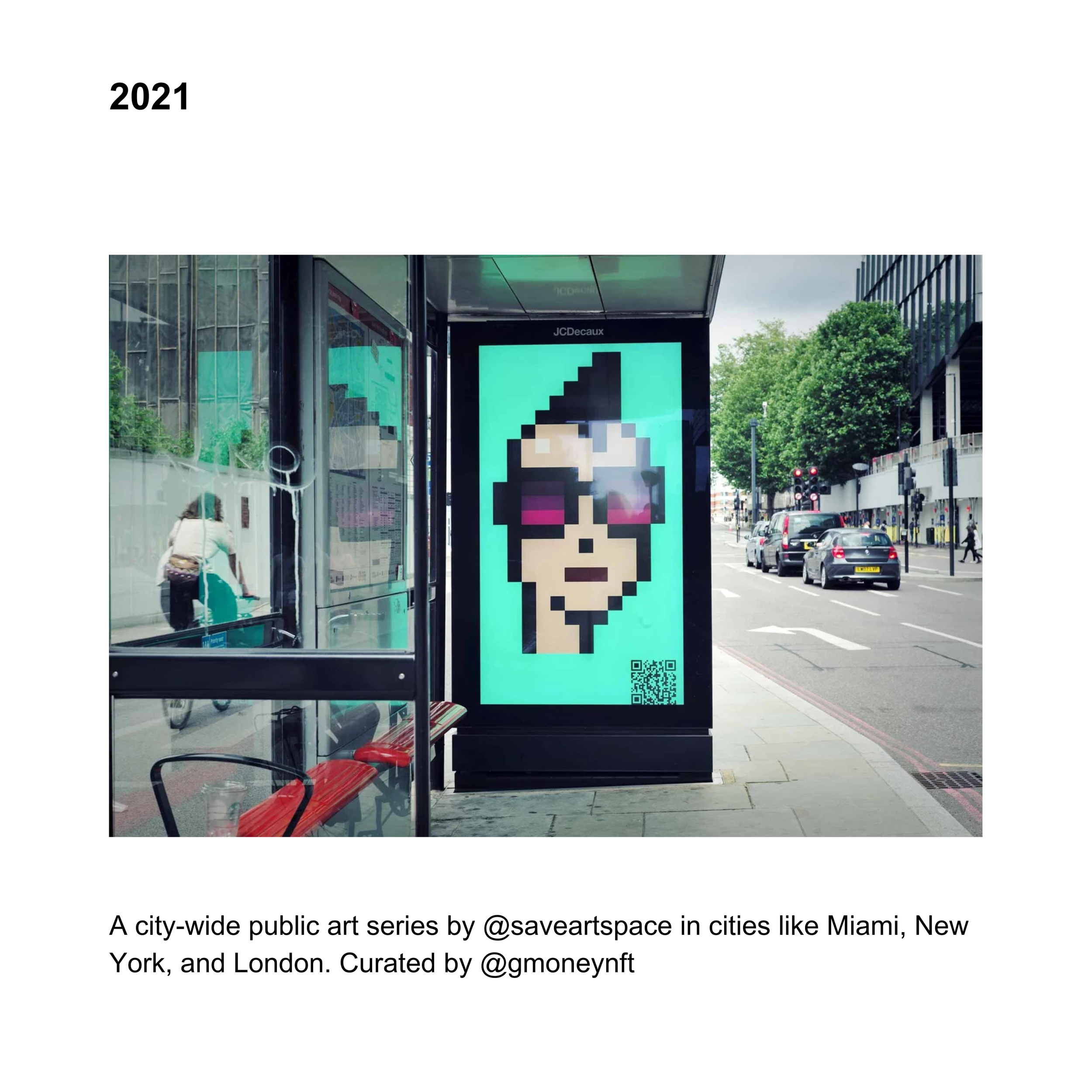
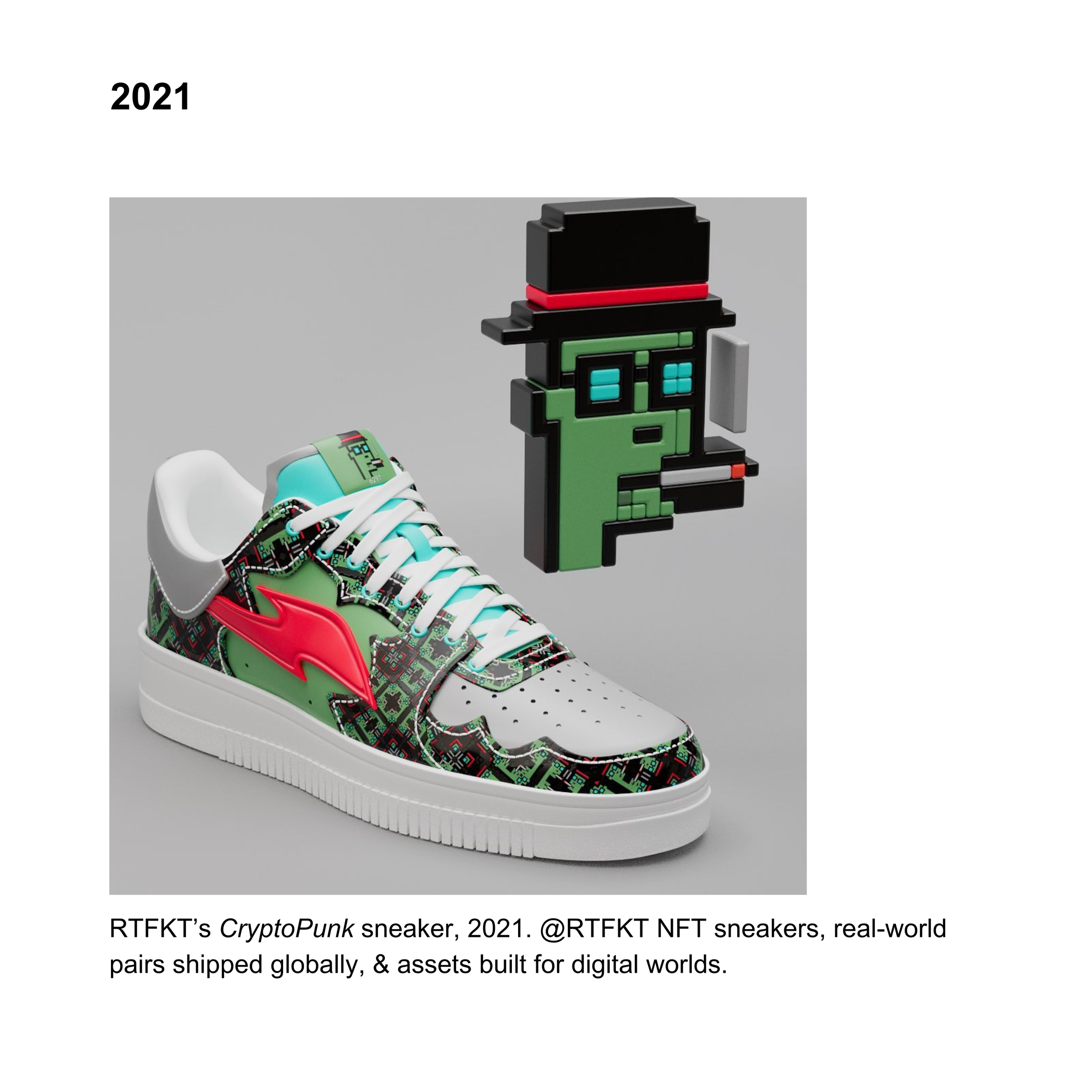
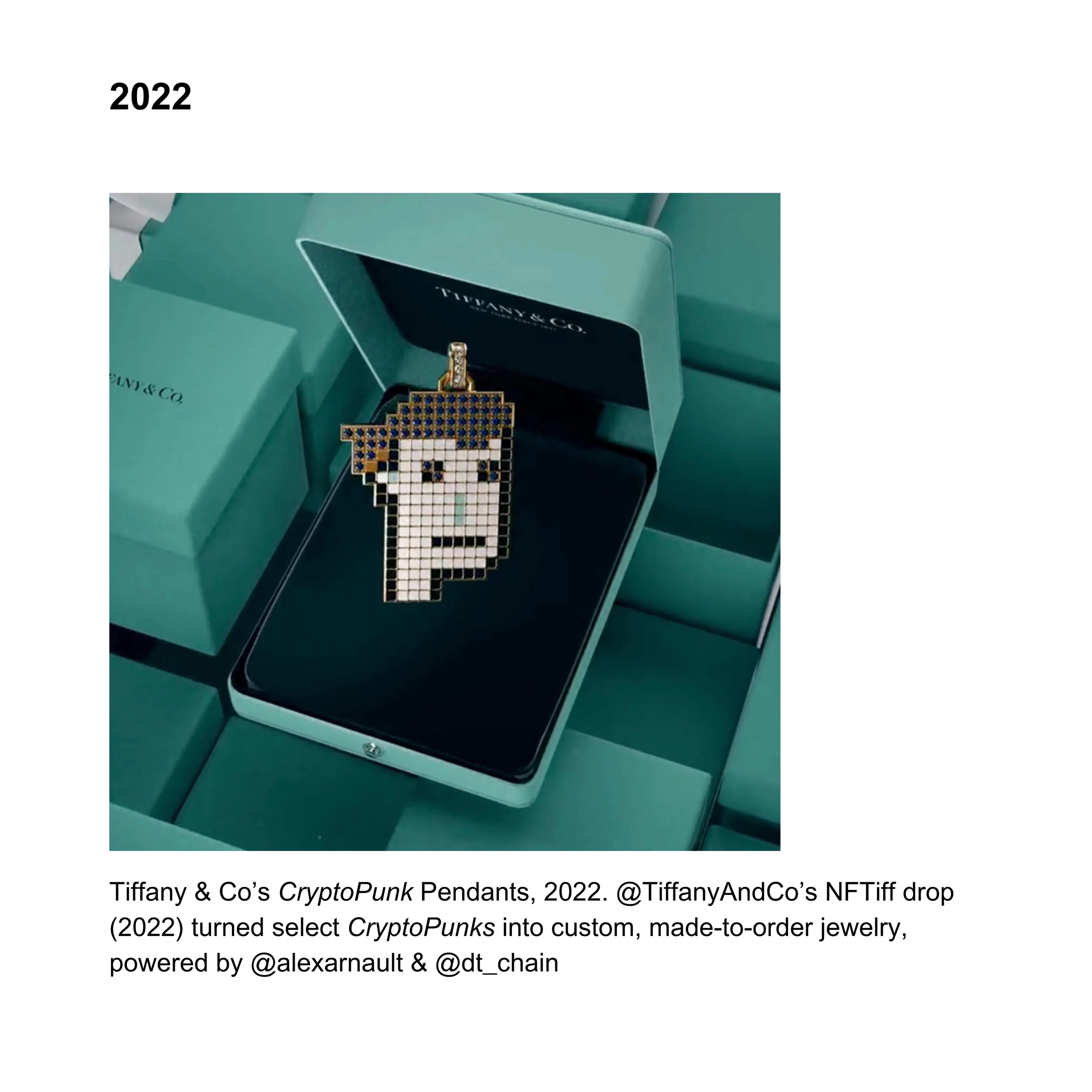
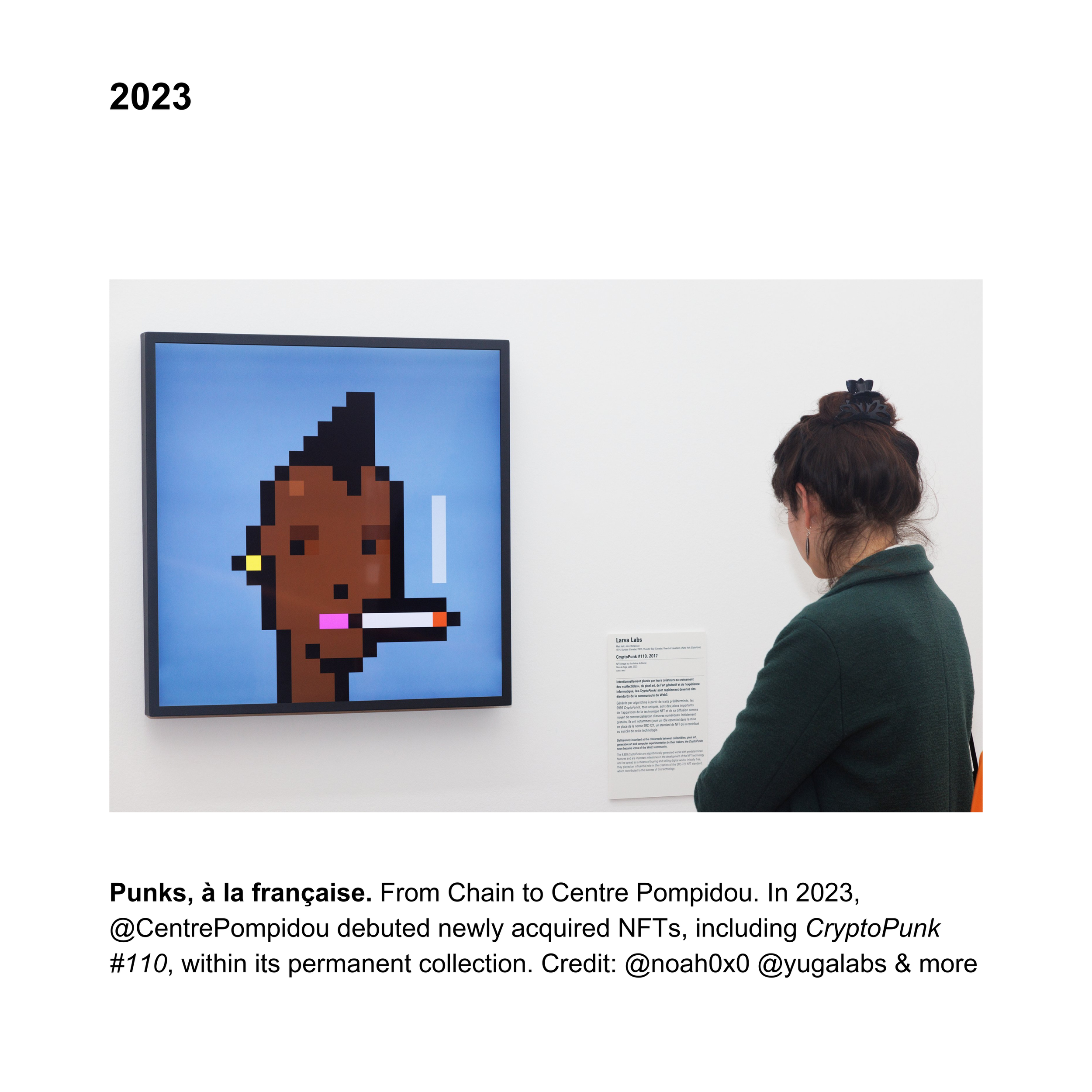
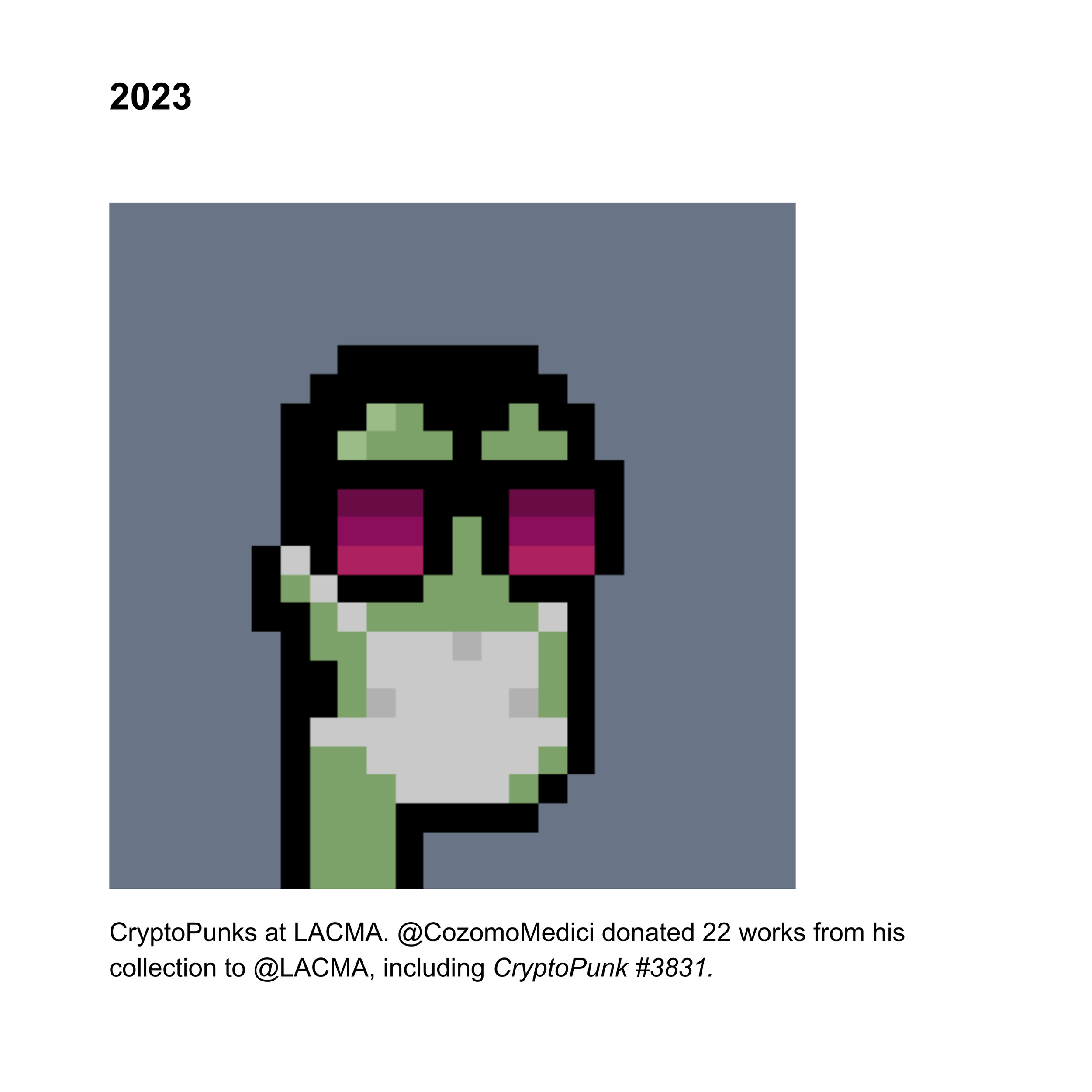
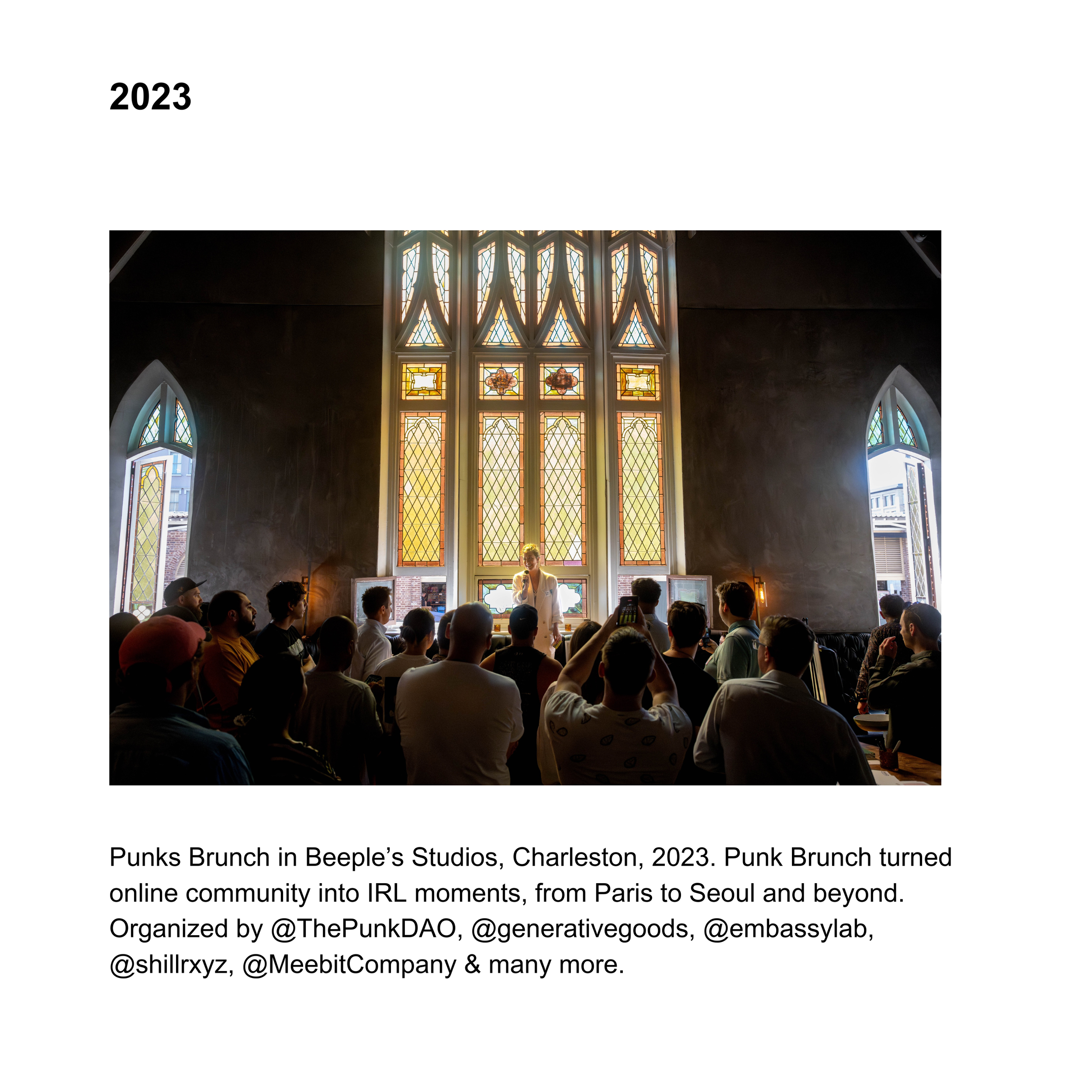
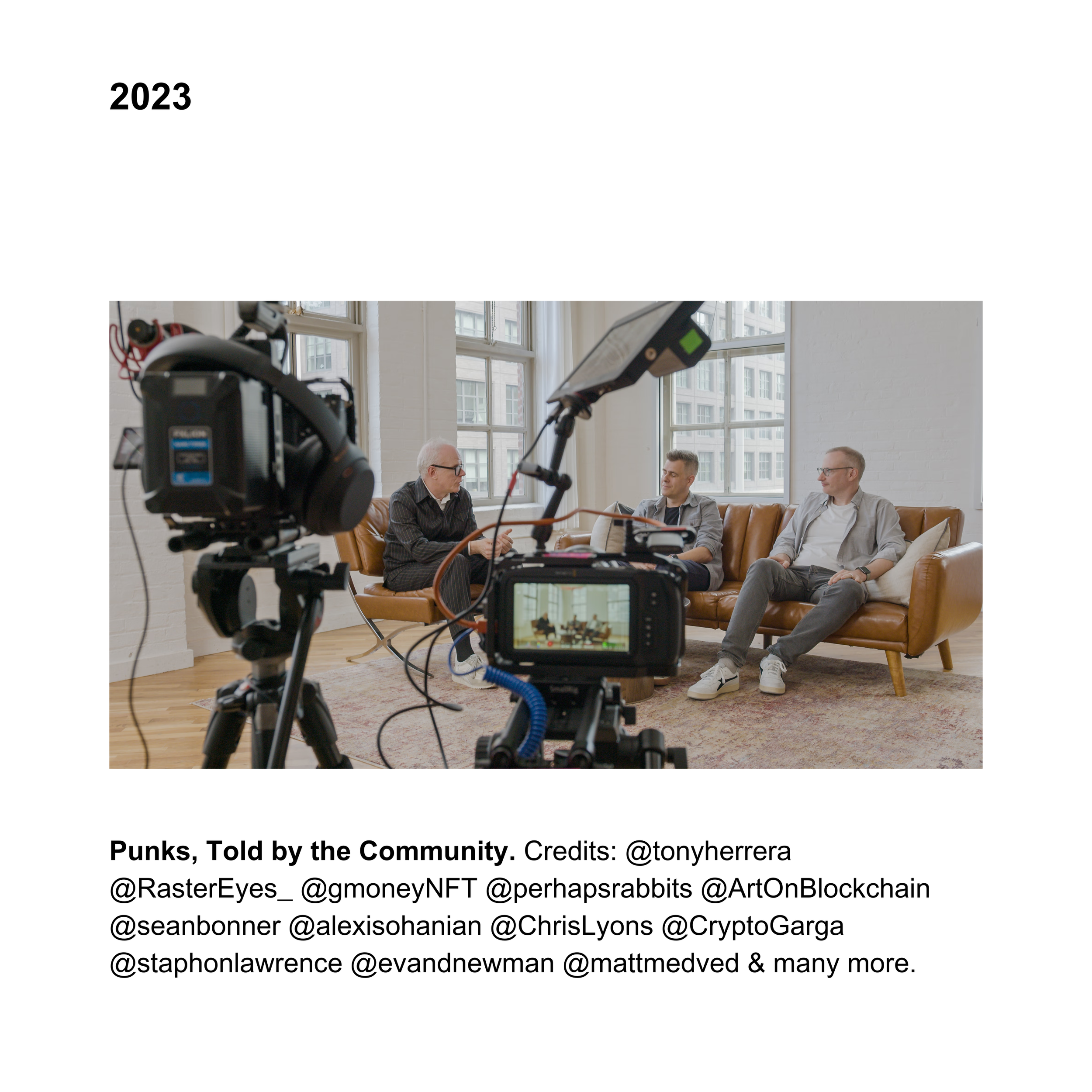
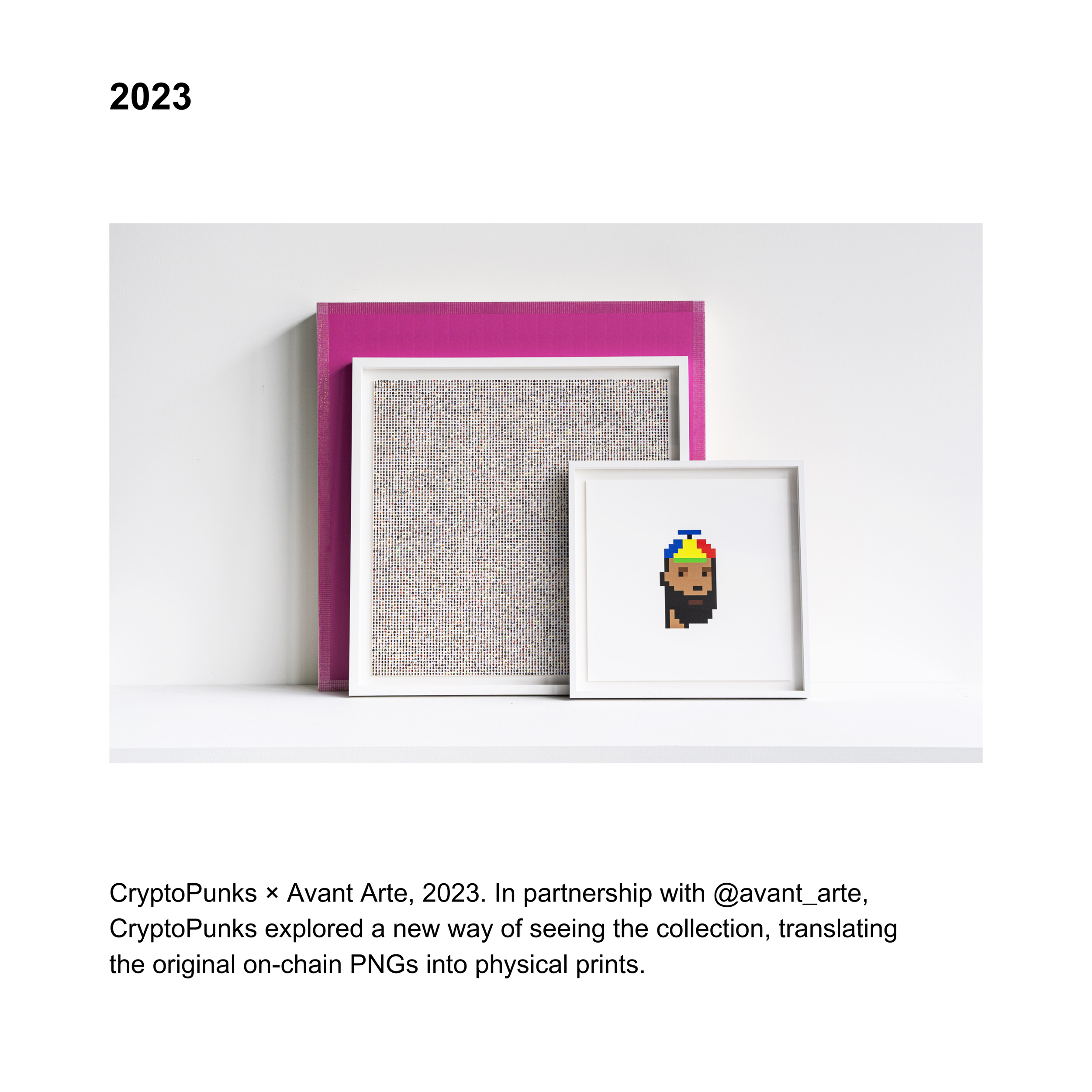
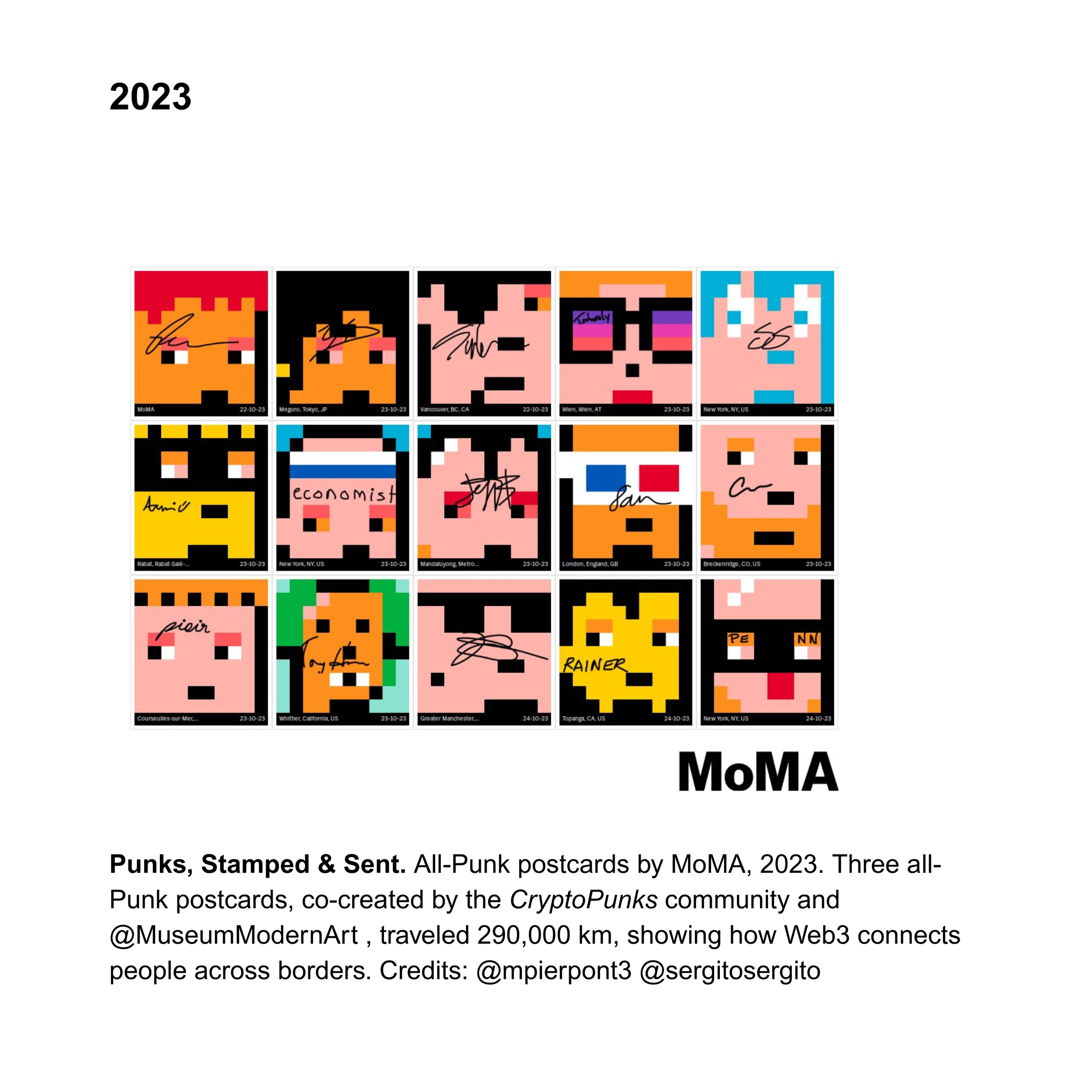
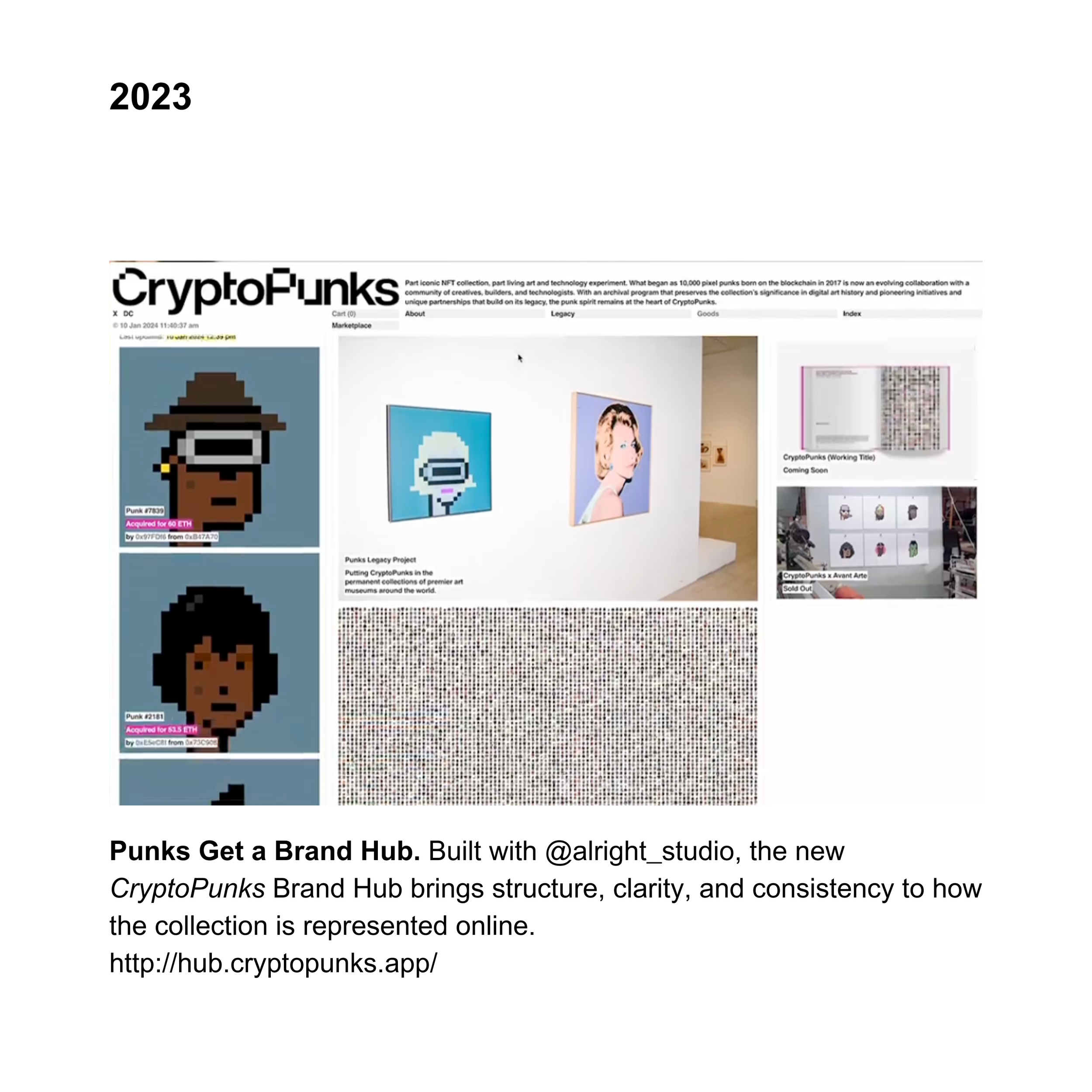
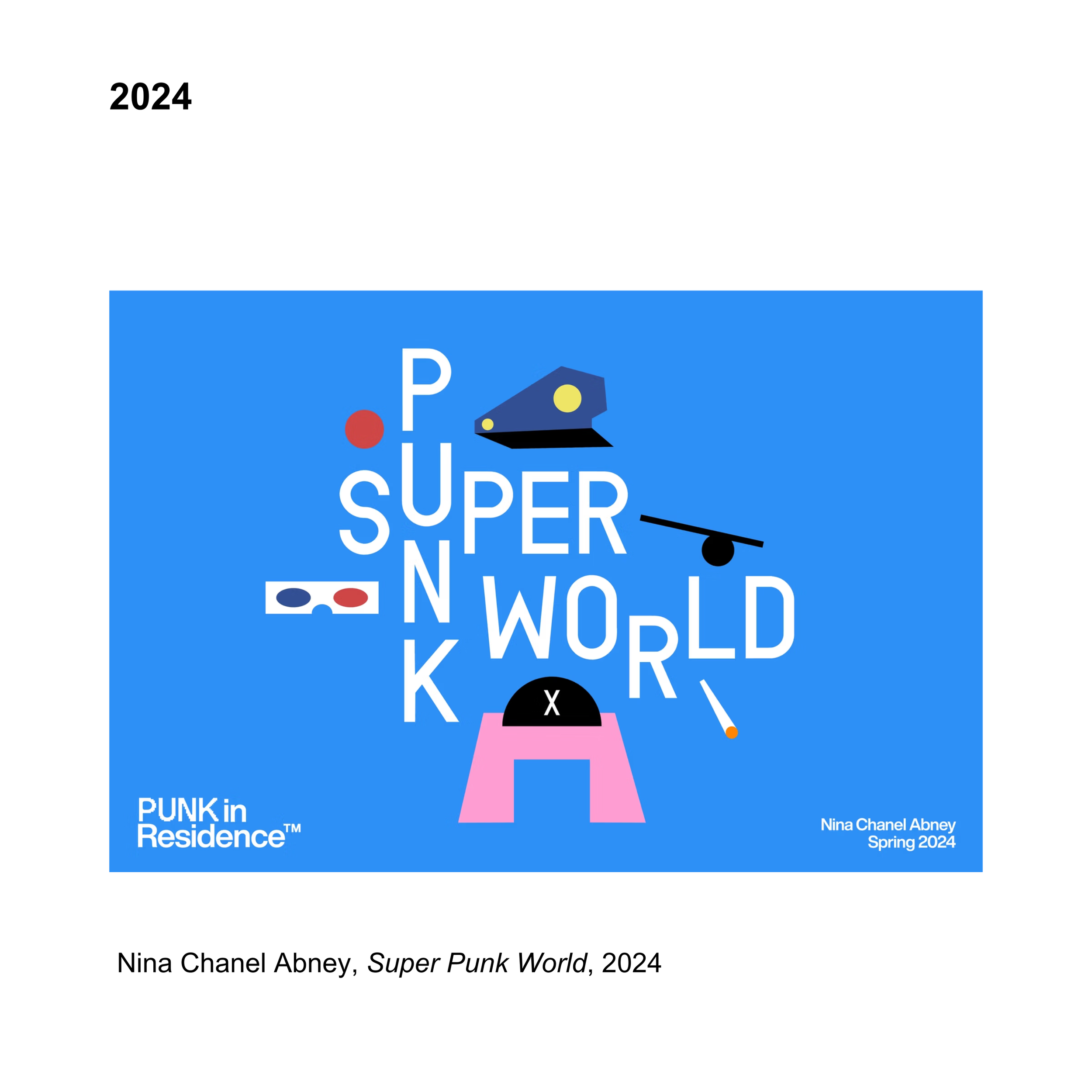
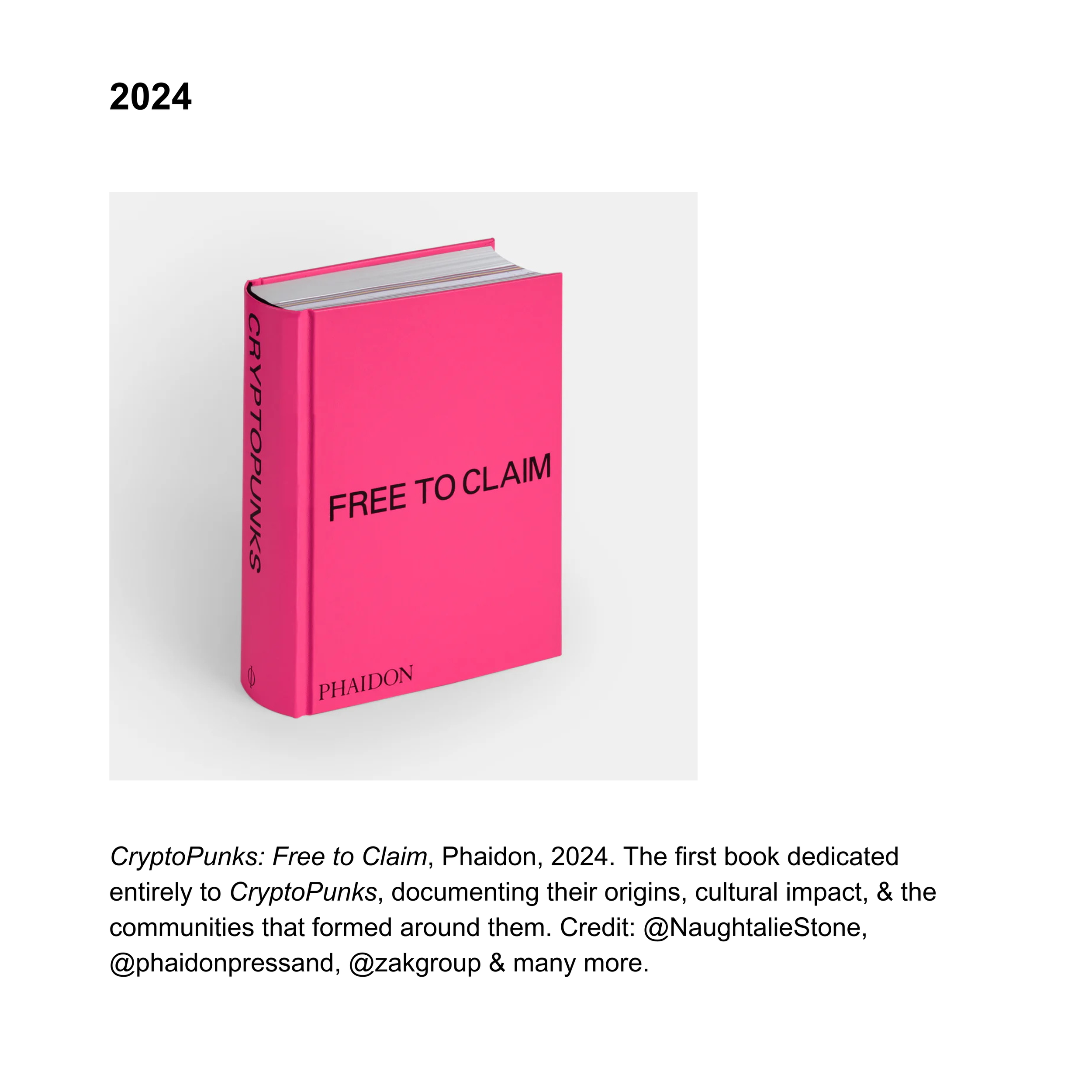
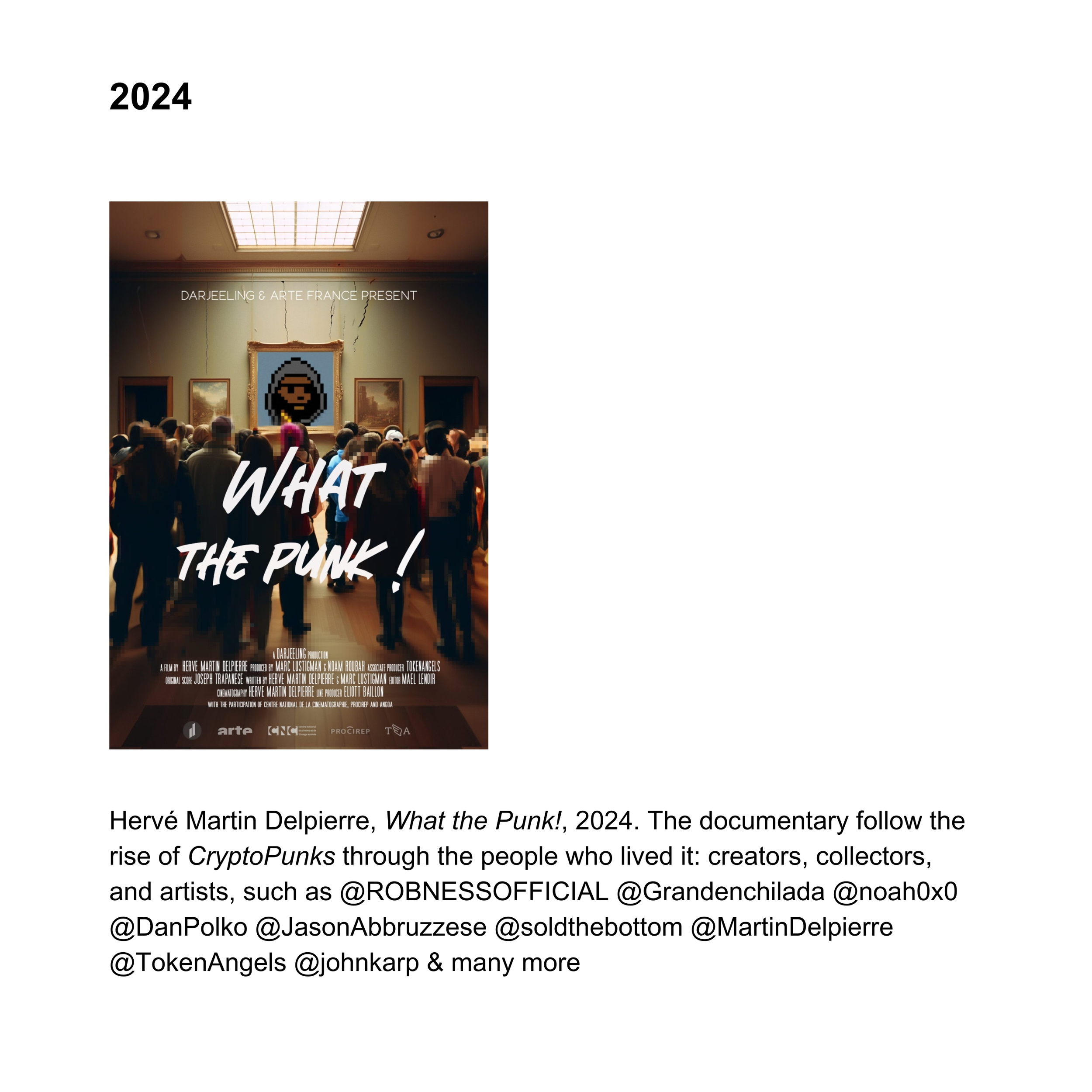
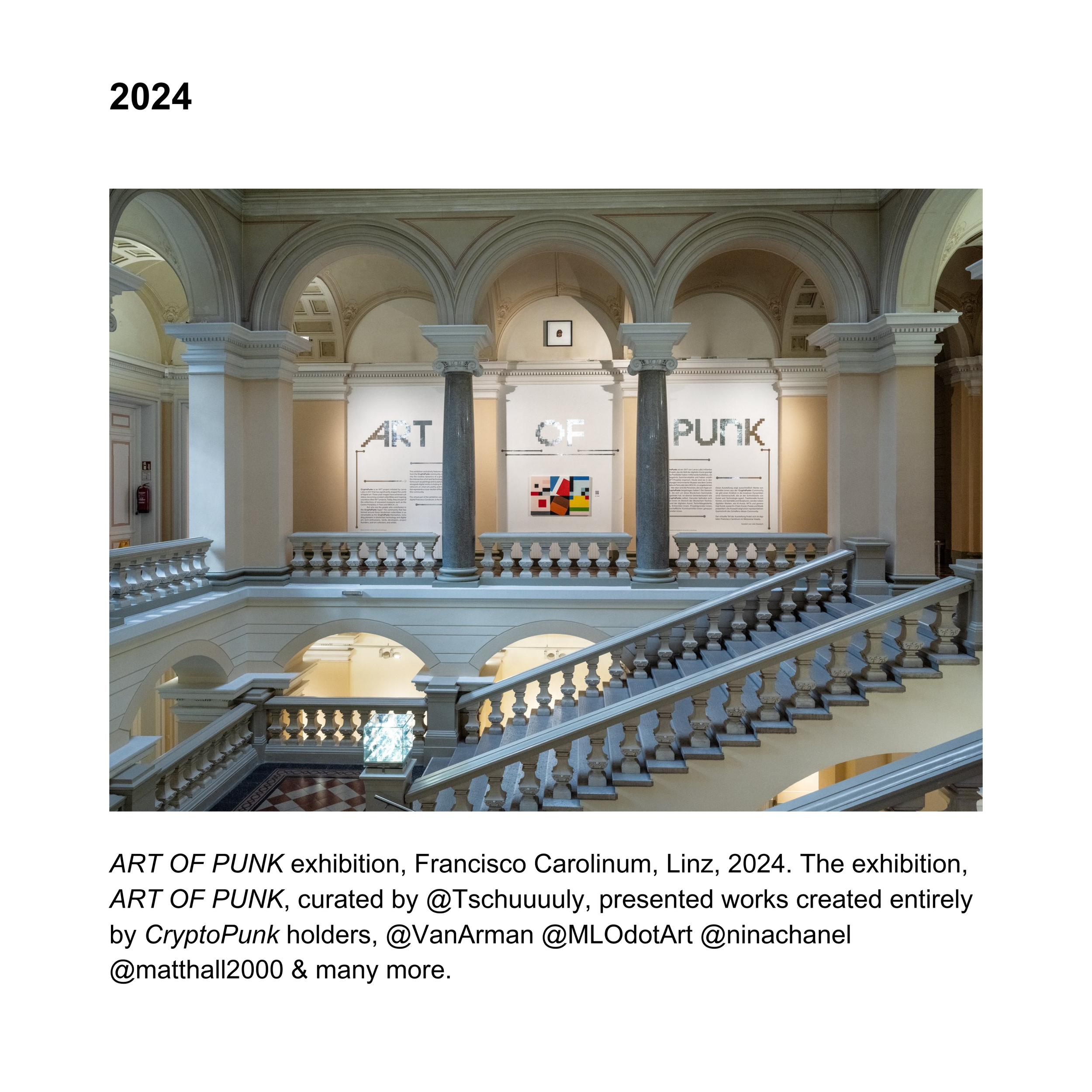
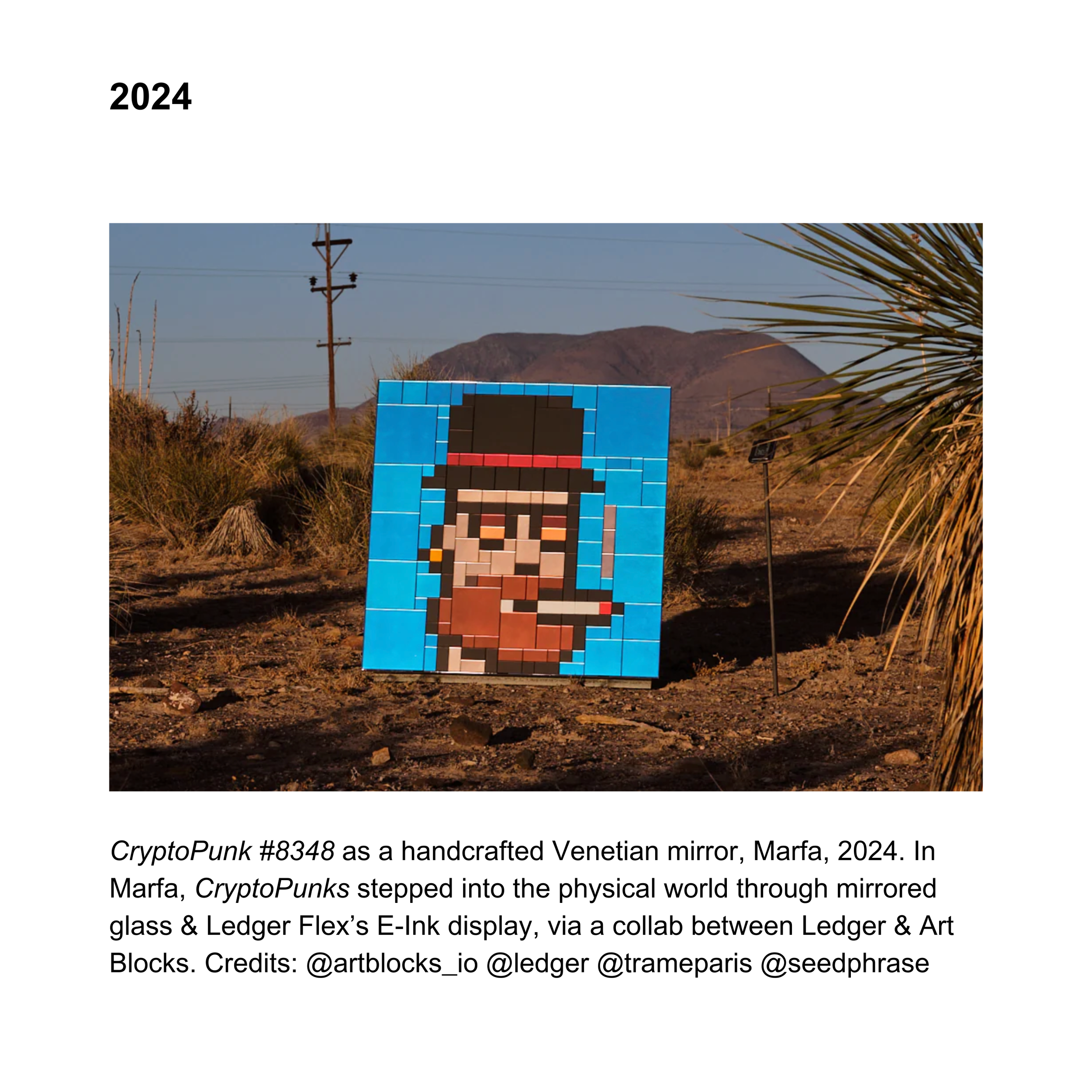
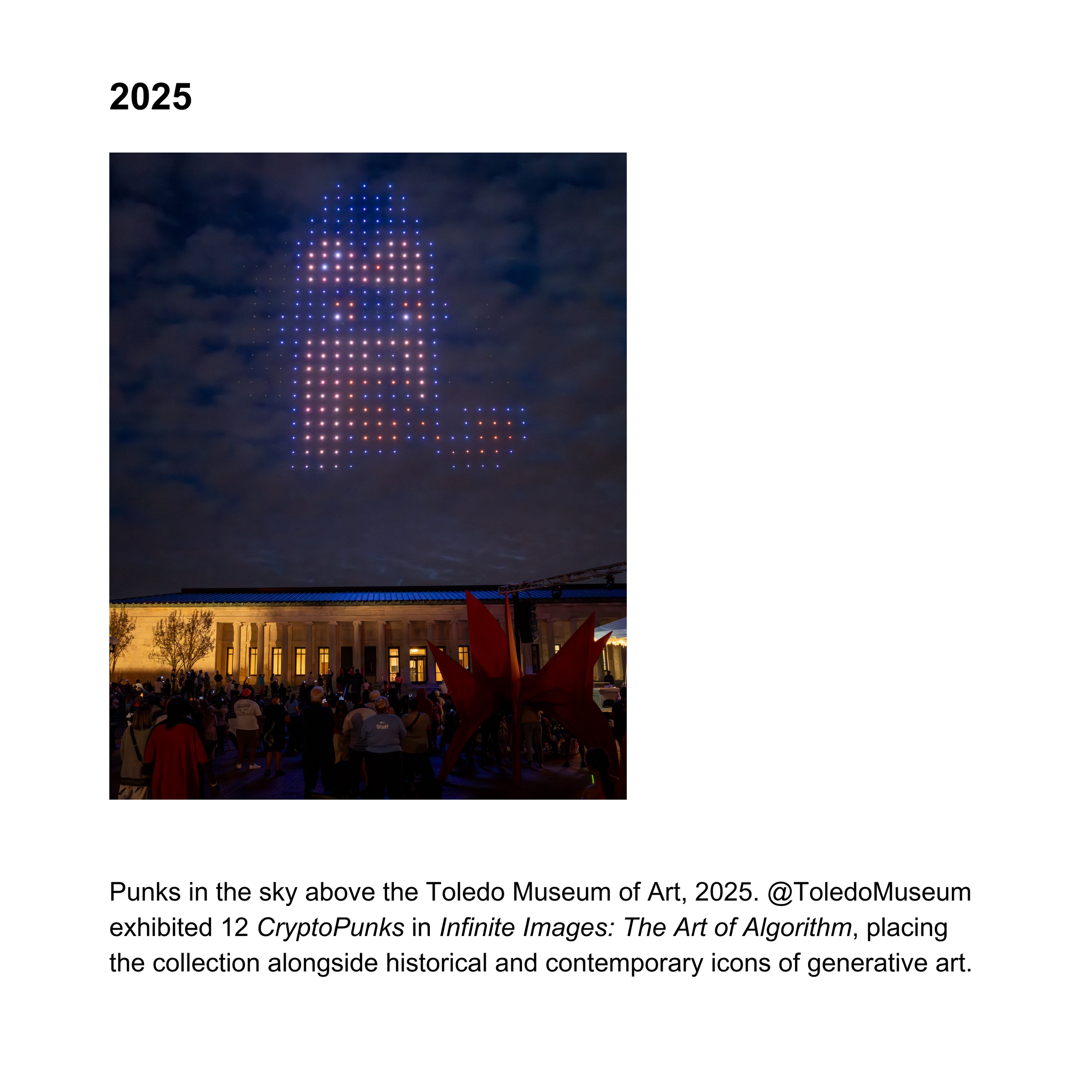
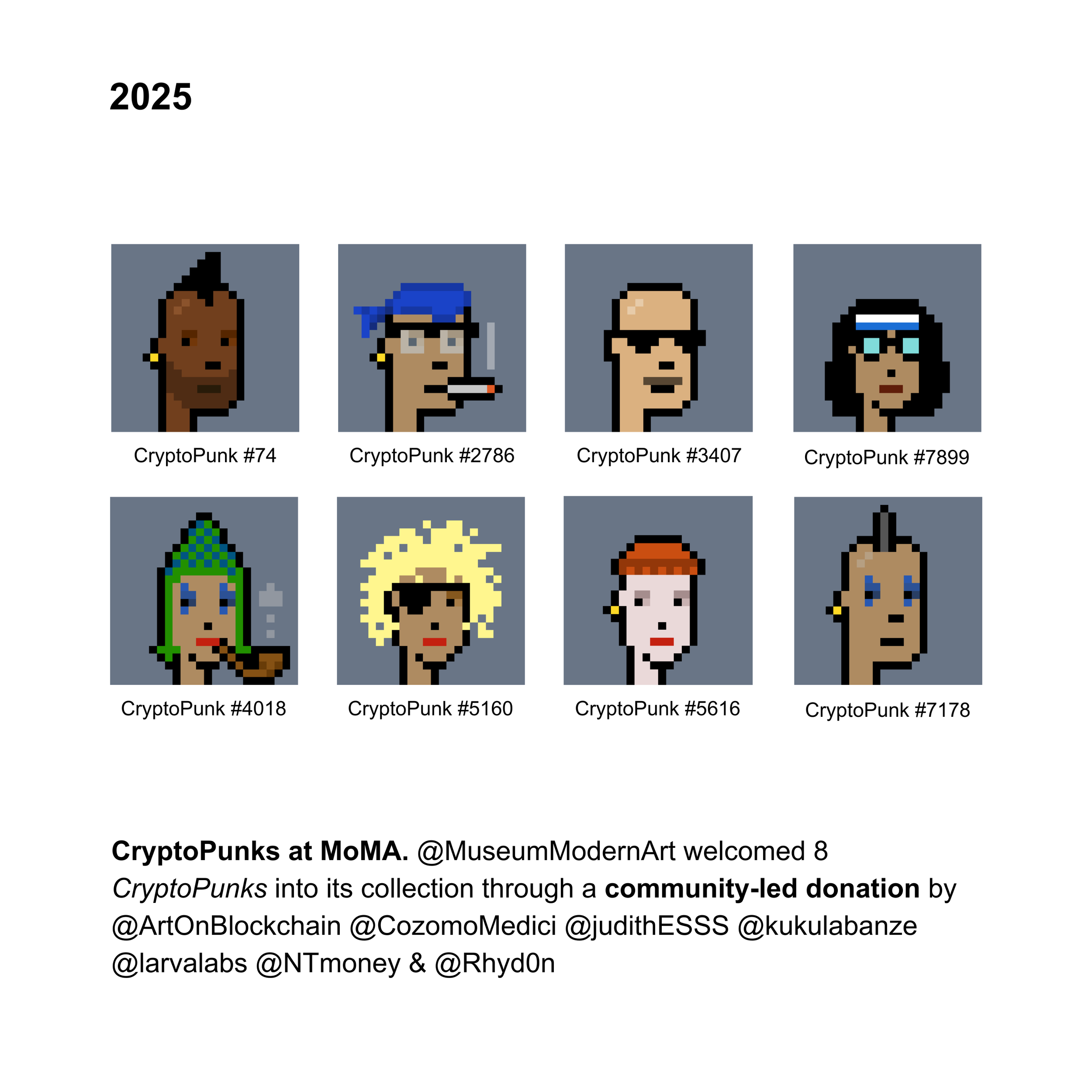
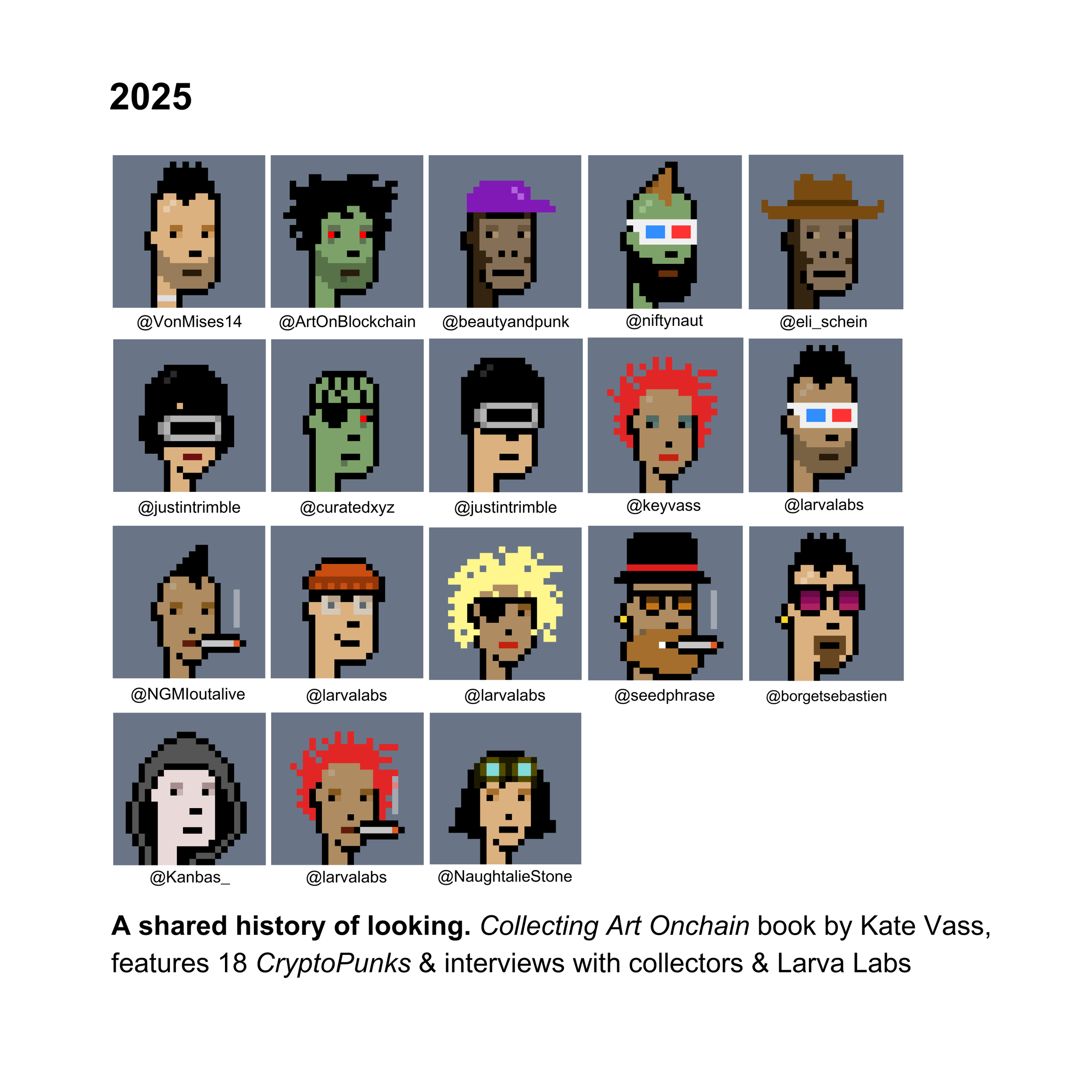
Some key milestones in the cultural life of CryptoPunks 2017-2026:
Disclaimer: This essay does not retrace the full technical or chronological history of CryptoPunks, nor the detailed formation of the NFT ecosystem around them. Instead, it focuses on how CryptoPunks came to be recognized, inhabited, and sustained as a cultural form, examined retrospectively through attention, participation, identity, and collective meaning.
A full, in-depth interview with Matt Hall and John Watkinson is published in Collecting Art Onchain, in the chapter “Proof of Punk: When Code Became Culture” (p. 70–87).
More information about the book can be found at: https://book-onchain.com/
✨ Culture Doesn’t Preserve Itself. Help Us Build the Infrastructure.
Your donation helps support the ongoing independent, non-profit initiative dedicated to exploring how digital art is written, contextualised, and preserved.
Contributions fund ongoing research, curatorial work, and archival infrastructure, ensuring that the art and ideas shaping this era remain accessible, verifiable, and alive for future generations on-chain:
Donate in fiat
You can contribute via credit card here:
https://www.katevassgalerie.com/donation
Donate in ETH
Send ETH directly to:
katevassgallery.eth - 0x56A673D2a738478f4A27F2D396527d779A1eD6d3
10,000 CryptoPunks – Opening weekend
1.23-25.2026
Palo Alto
NODE opens with 10,000, the first exhibition devoted to CryptoPunks, created by Matt Hall and John Watkinson (Larva Labs) in 2017. CryptoPunks is among the most influential works of digital art ever produced; it introduced a new paradigm for authorship and ownership online, inspired the Ethereum blockchain standard, and marked a cultural shift in how identity, provenance, and value can exist in purely digital form. 10,000 presents CryptoPunks as a living artwork: a self-running system whose marketplace is foregrounded as an integral part of the art – every offer, bid, sale, and transfer is both an economic event and an aesthetic one.
Learn more about the full weekend programme here: