Jonathan McCabe
Jonathan McCabe is a generative artist living in Canberra Australia with his partner Kate and son Redmond. He is interested in theories of self-organisation and systems which autonomously produce patterns, particularly Alan Turing’s theory of morphogenesis and cellular automata including Conway’s Game of Life.
He studied at the Australian Centre for the Arts and Technology and obtained a Master of Electronic Arts in 2000.
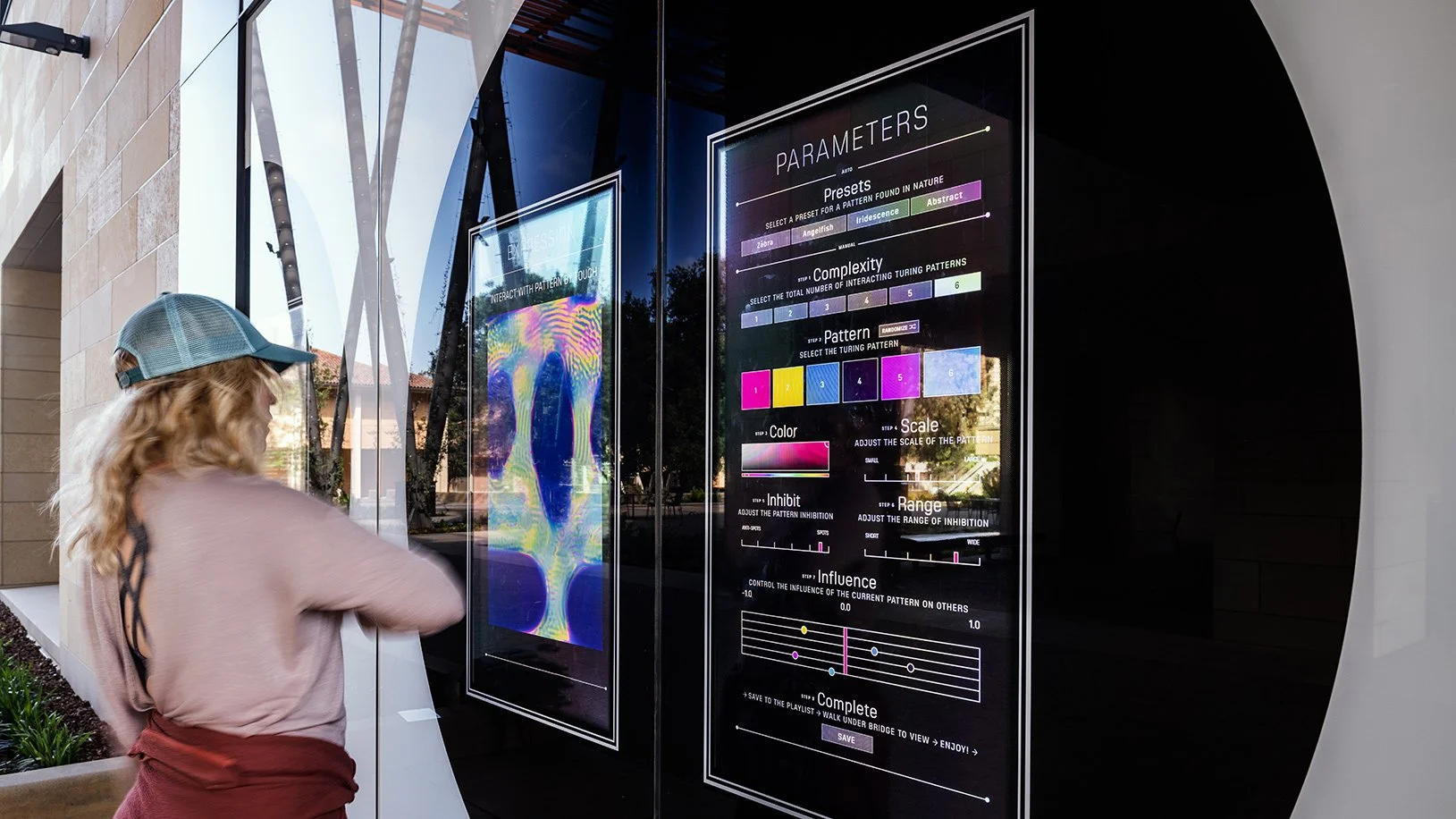
He has provided works for Blackdove, LED.ART, Aesop, Expo 2020, Cirque du Soleil, Imagine Dragons, Le Meridien, Moment Factory and 4U2C. His work has been featured by Wired, New Scientist, Scientific American, the BBC, the ABC, Elephant Magazine, Design Boom, and It’s Nice That. He collaborated with Oleg Pashkovsky and Knot (Portland, Oregon) on a large-scale interactive work “Morphogenesis” installed at the Bass Biology Building at Stanford University in 2019.
His work is influenced by Karl Sims, Stephen Wolfram, John Holland, Benoit Mandelbrot, Stuart Kauffman, Aristid Lindemayer, Michael Barnsley and Alan Turing.
Featured Work

-
![]()
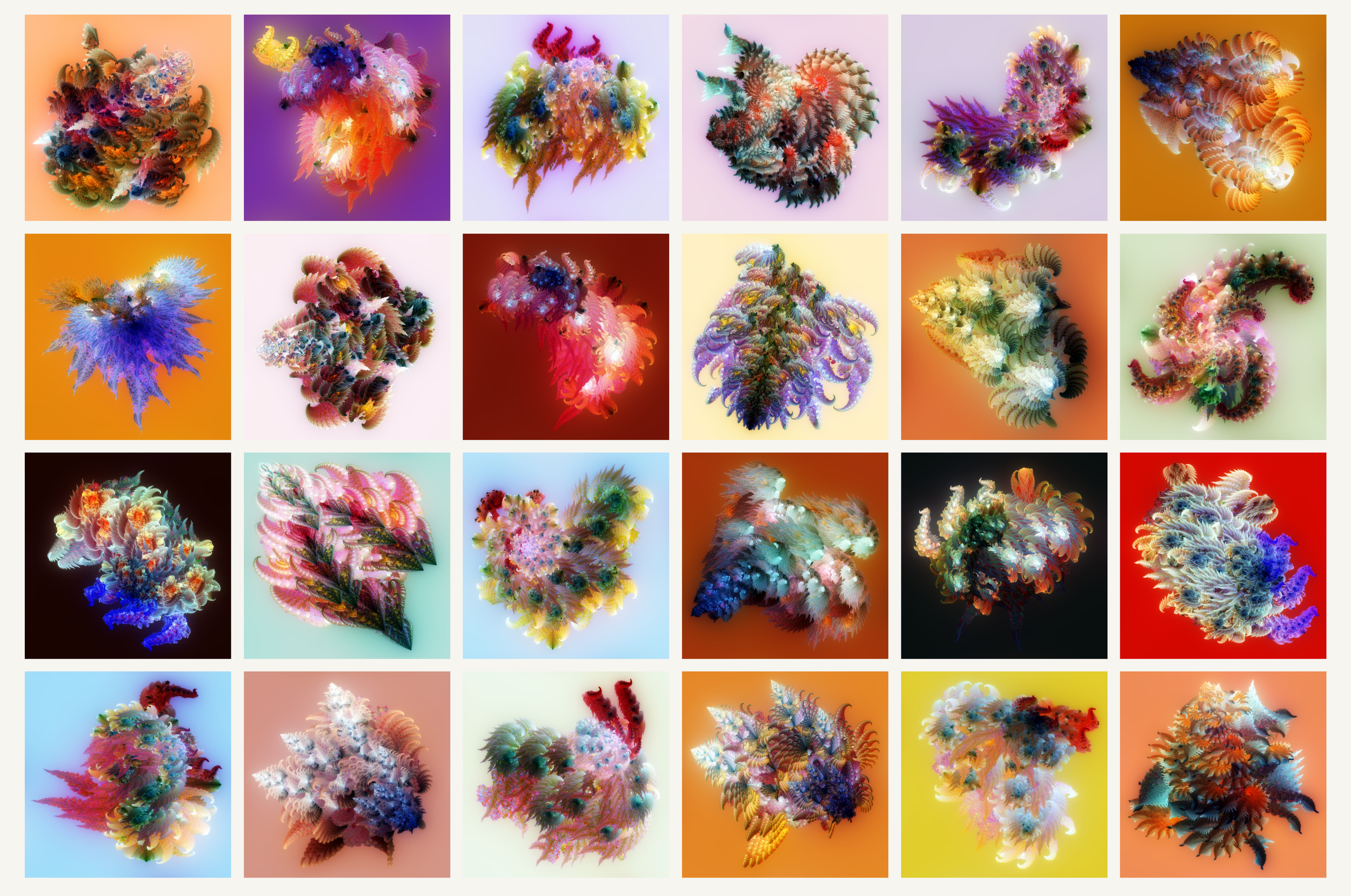
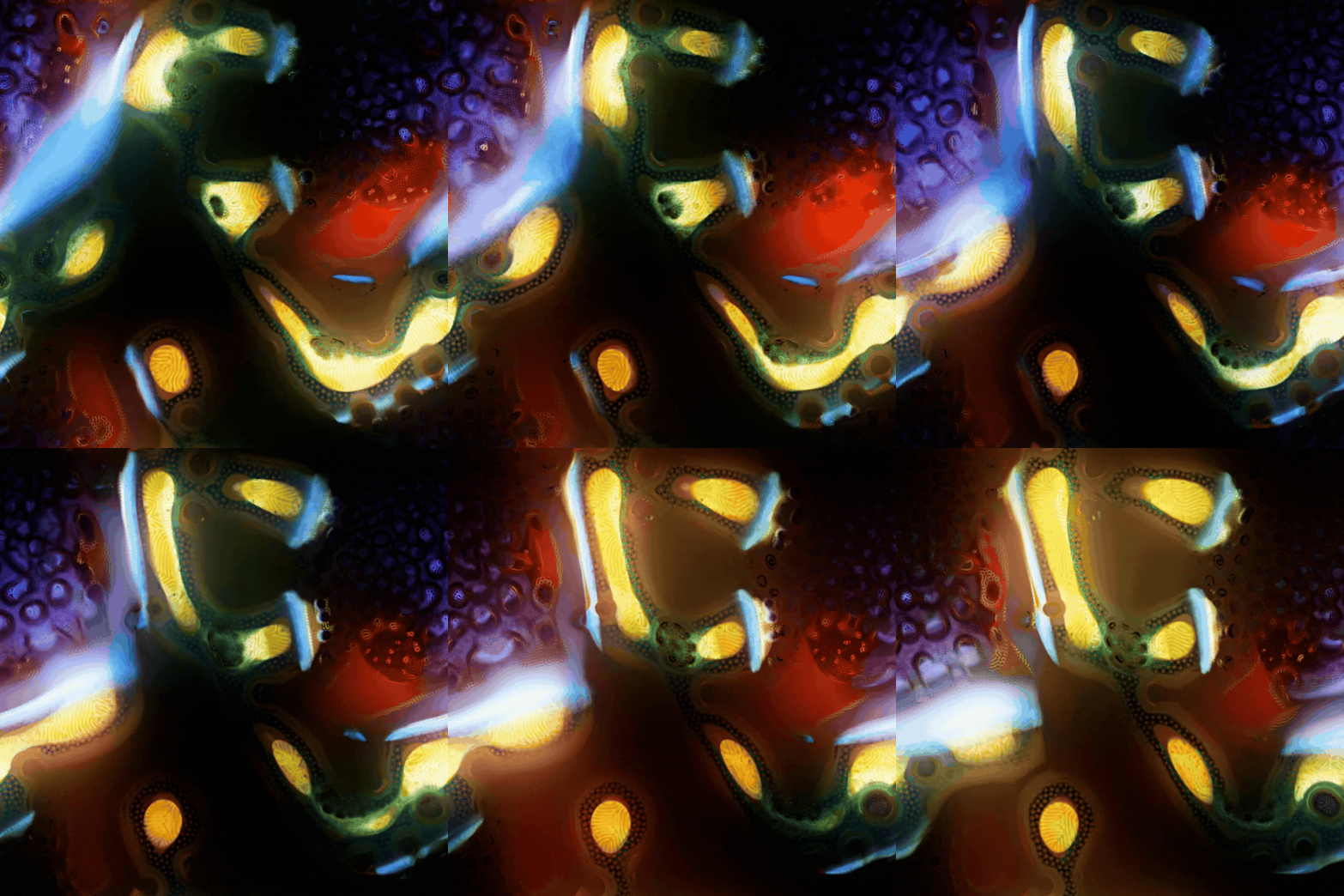
EvoTrees, 2026.
PNG images (16 bits per colour channel), 50,000 × 50,000 px -
![]()
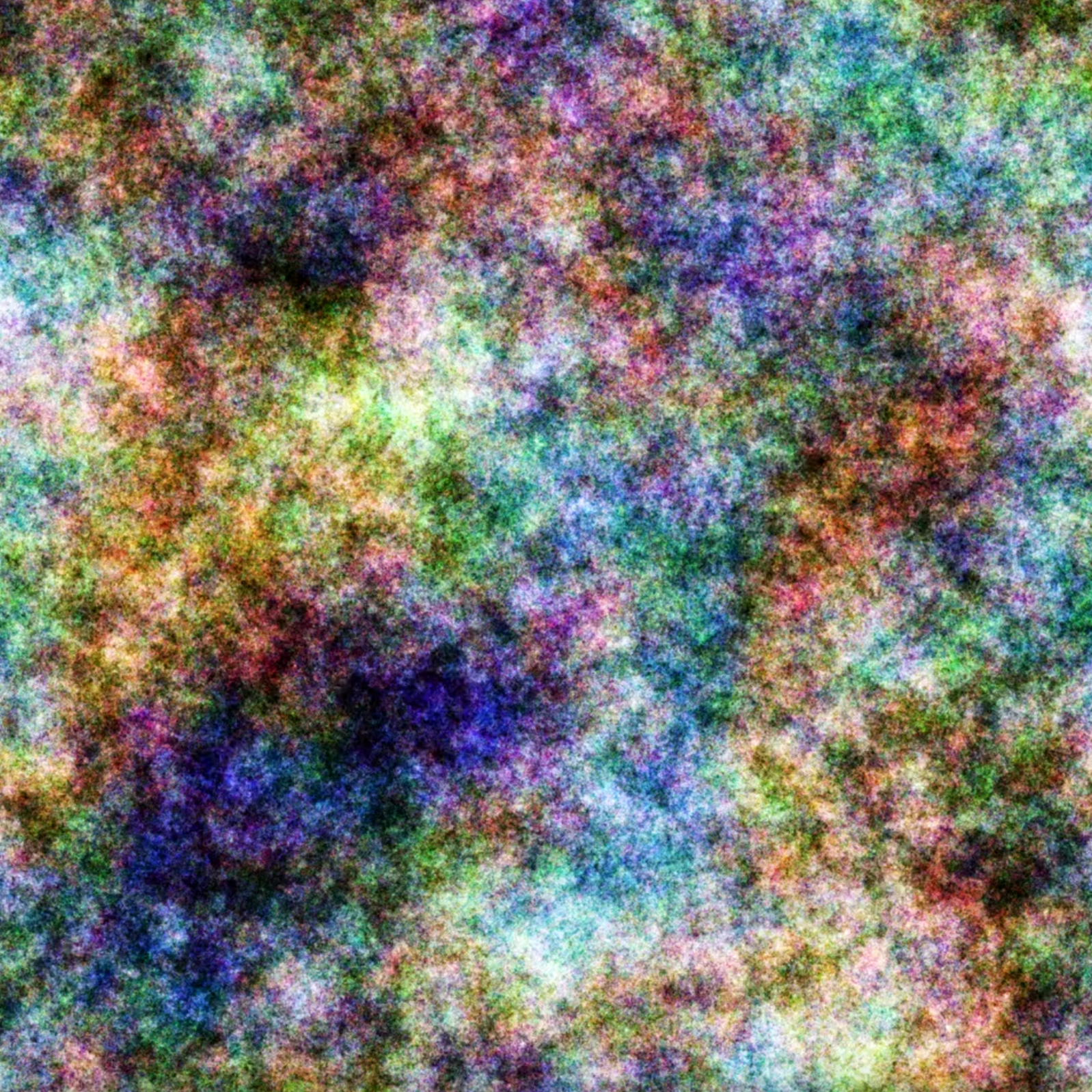
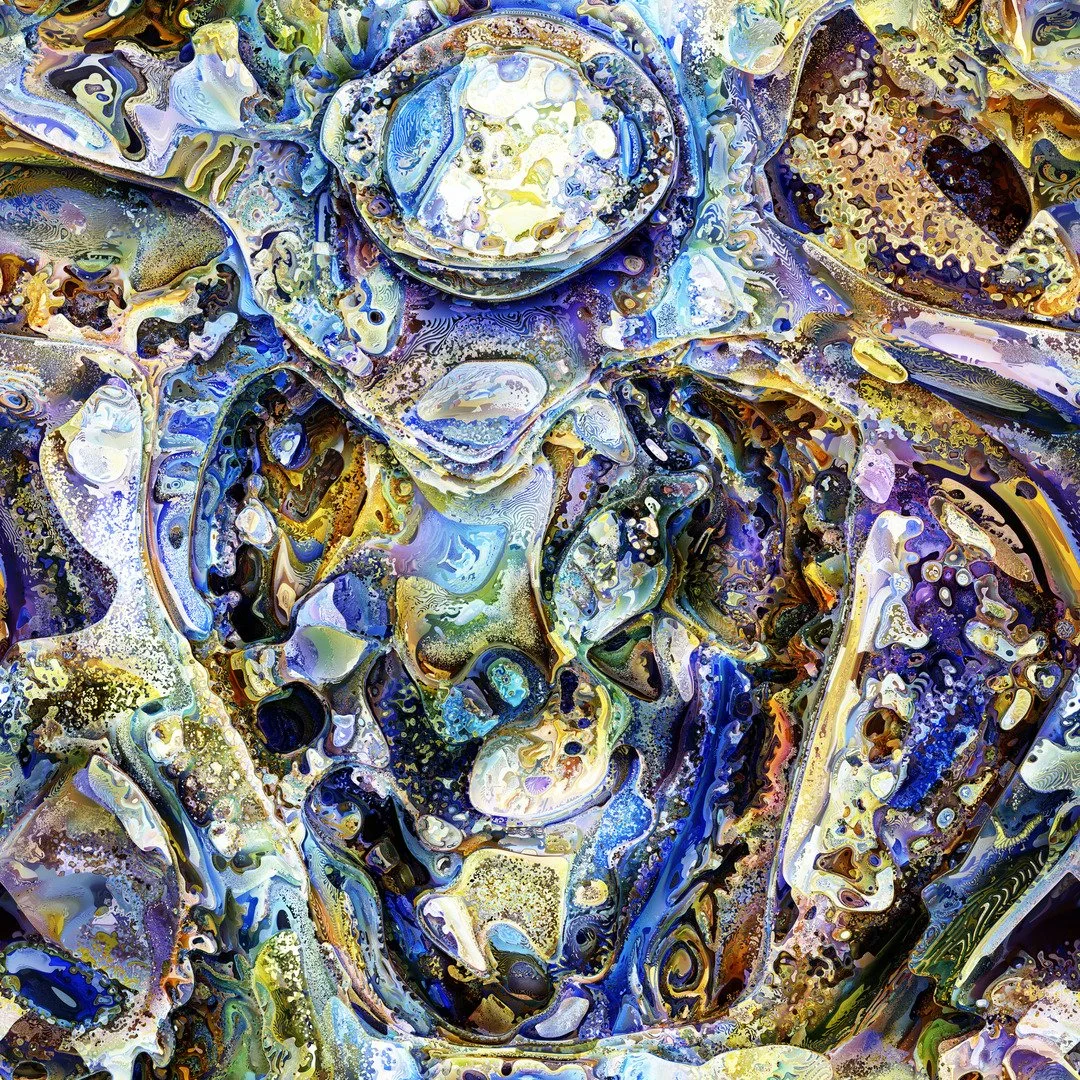
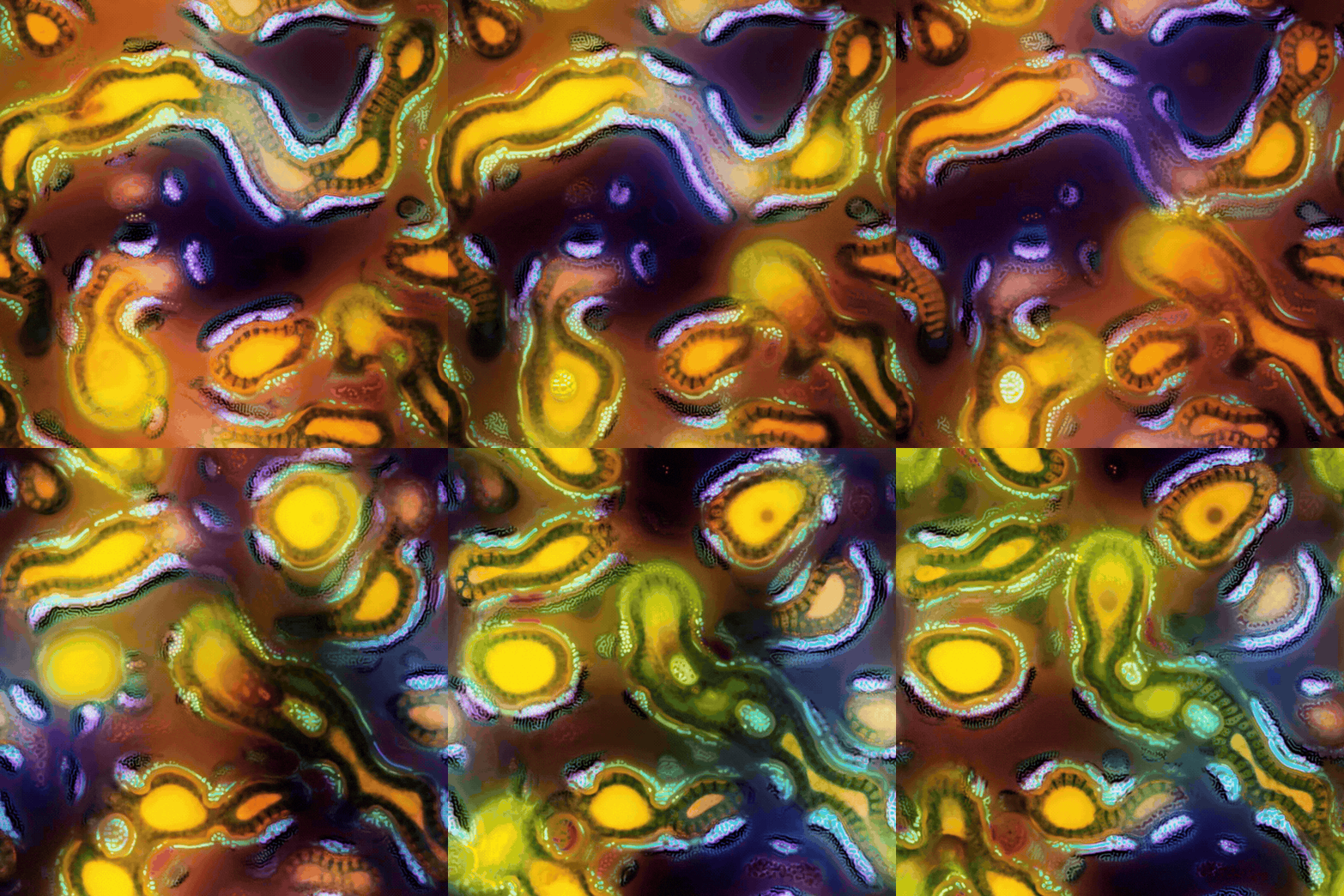
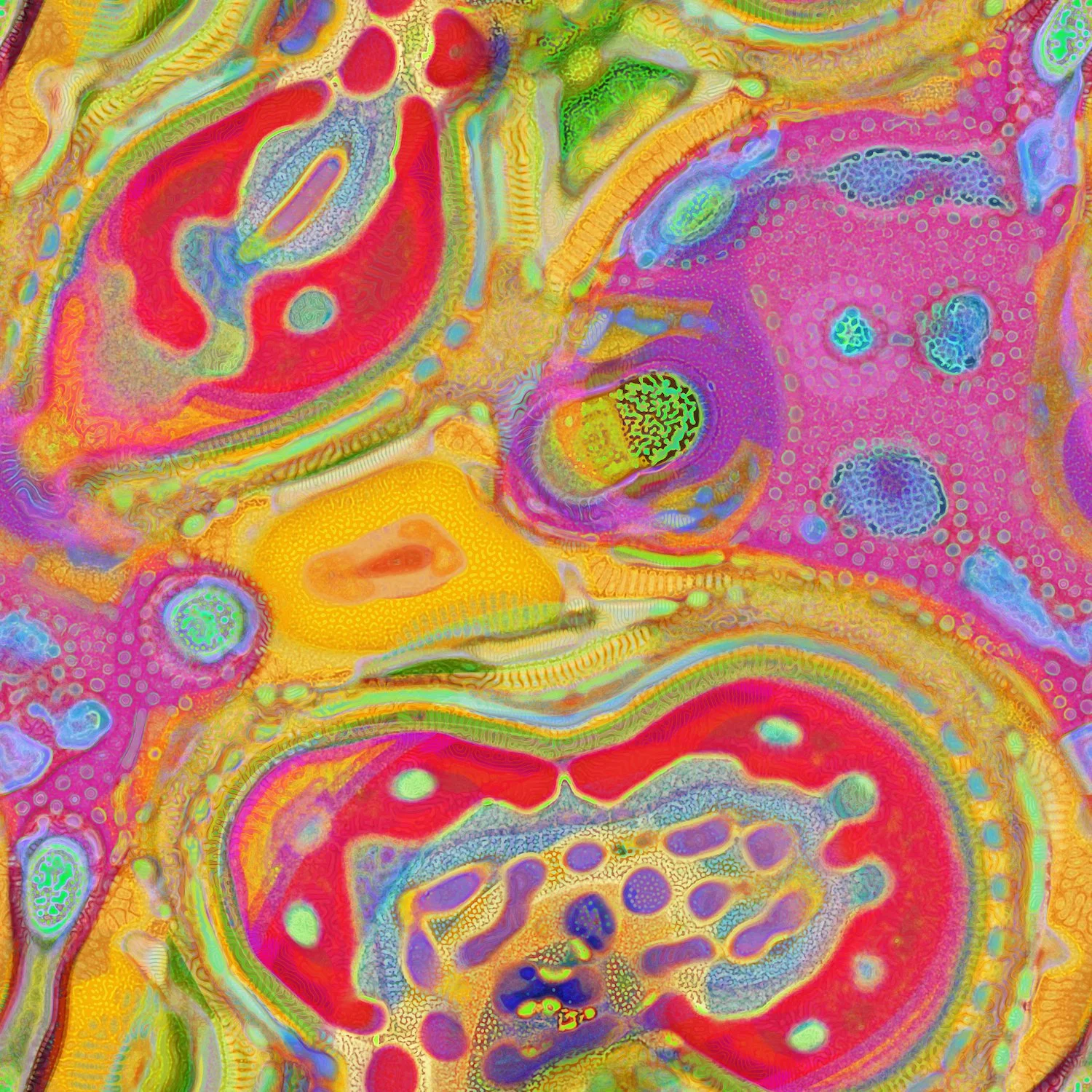
Cellularity, 2026.
PNG image (8-bit/colour RGB), 59049 x 59049 px
The first work in Jonathan McCabe’s Cellularity series. -
![]()
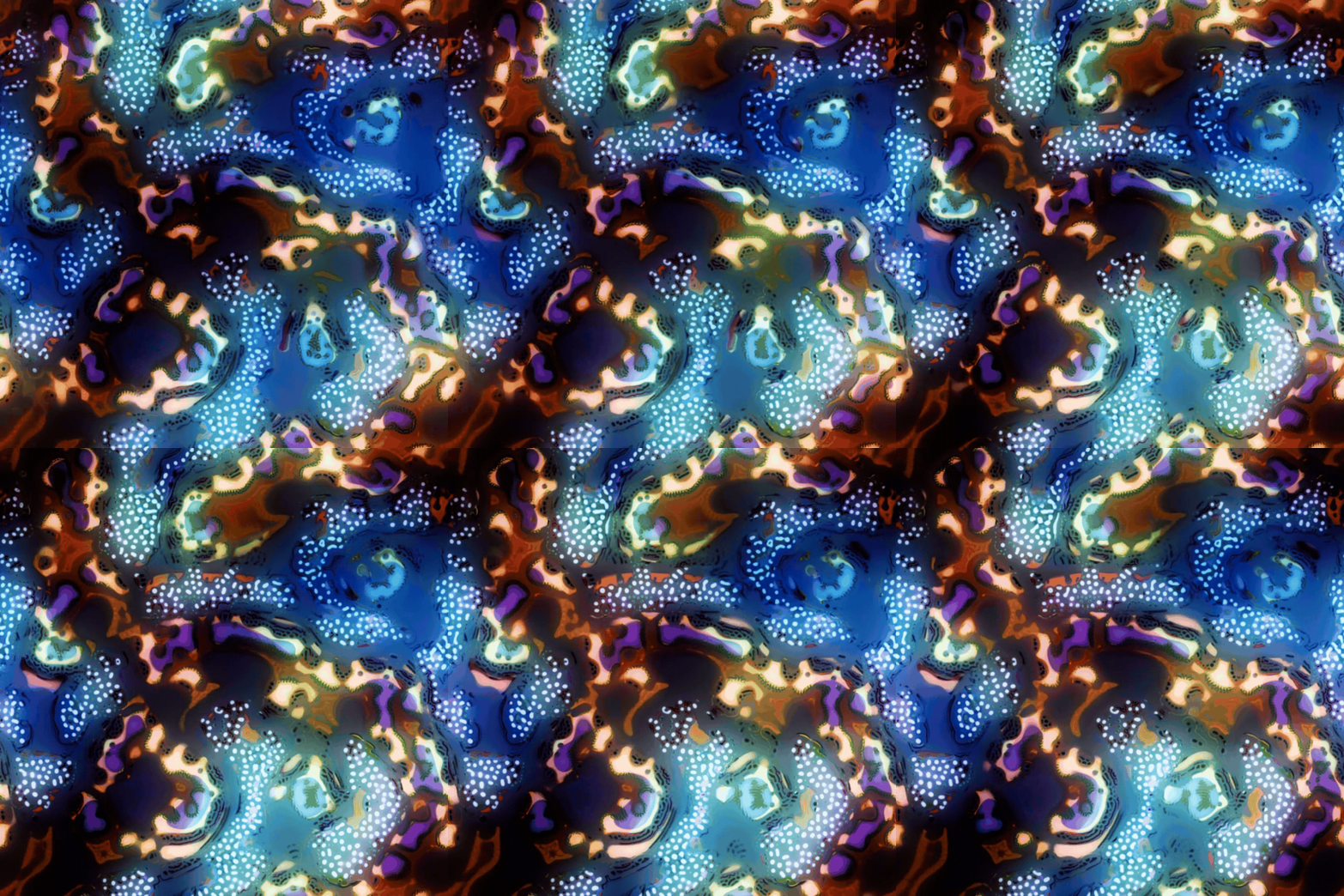
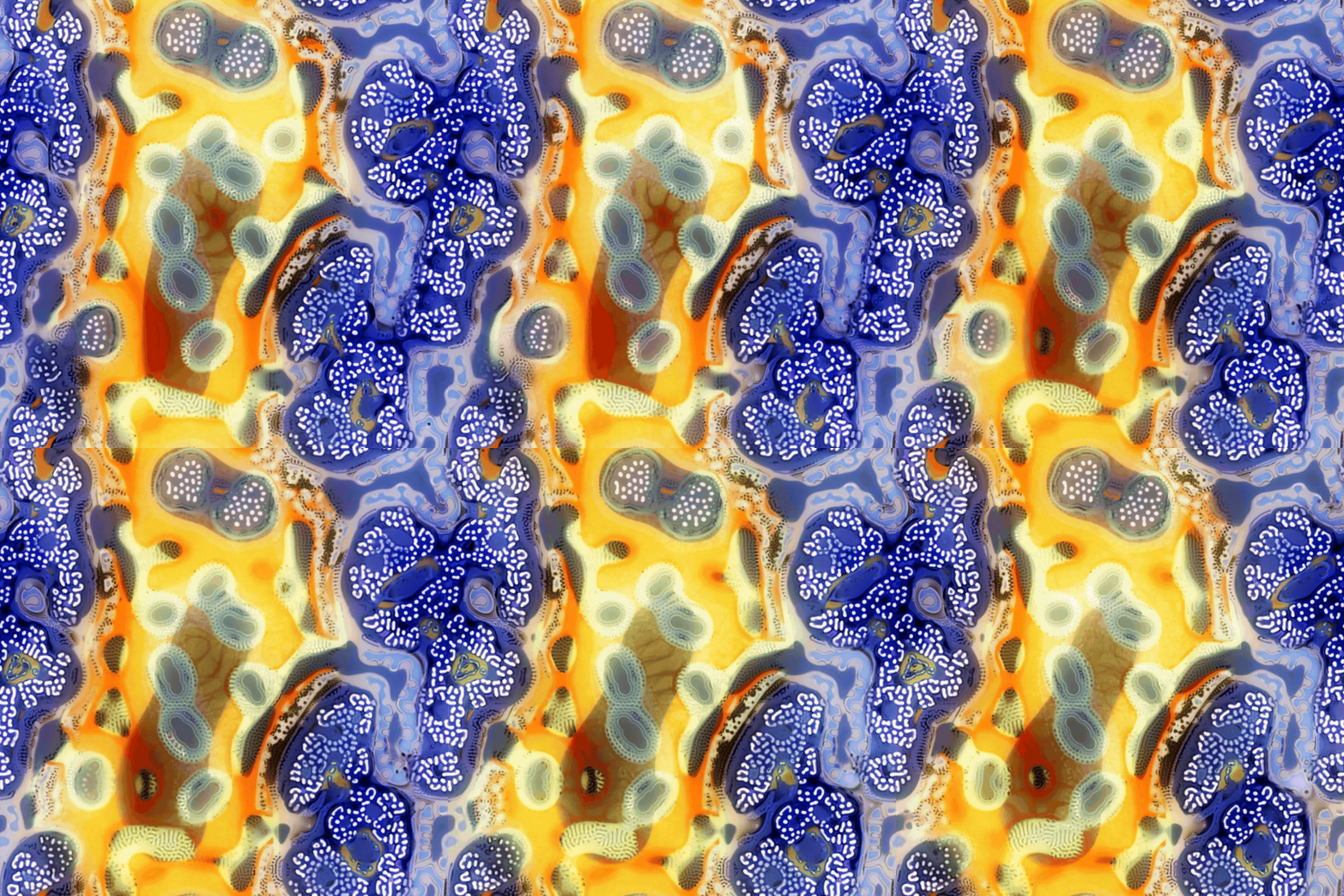
Evolved Turing Pattern #01, 2026.
Video H.264, 1080 × 1080 pixels, 25 frames per second, Duration: 5 minutes -
![]()
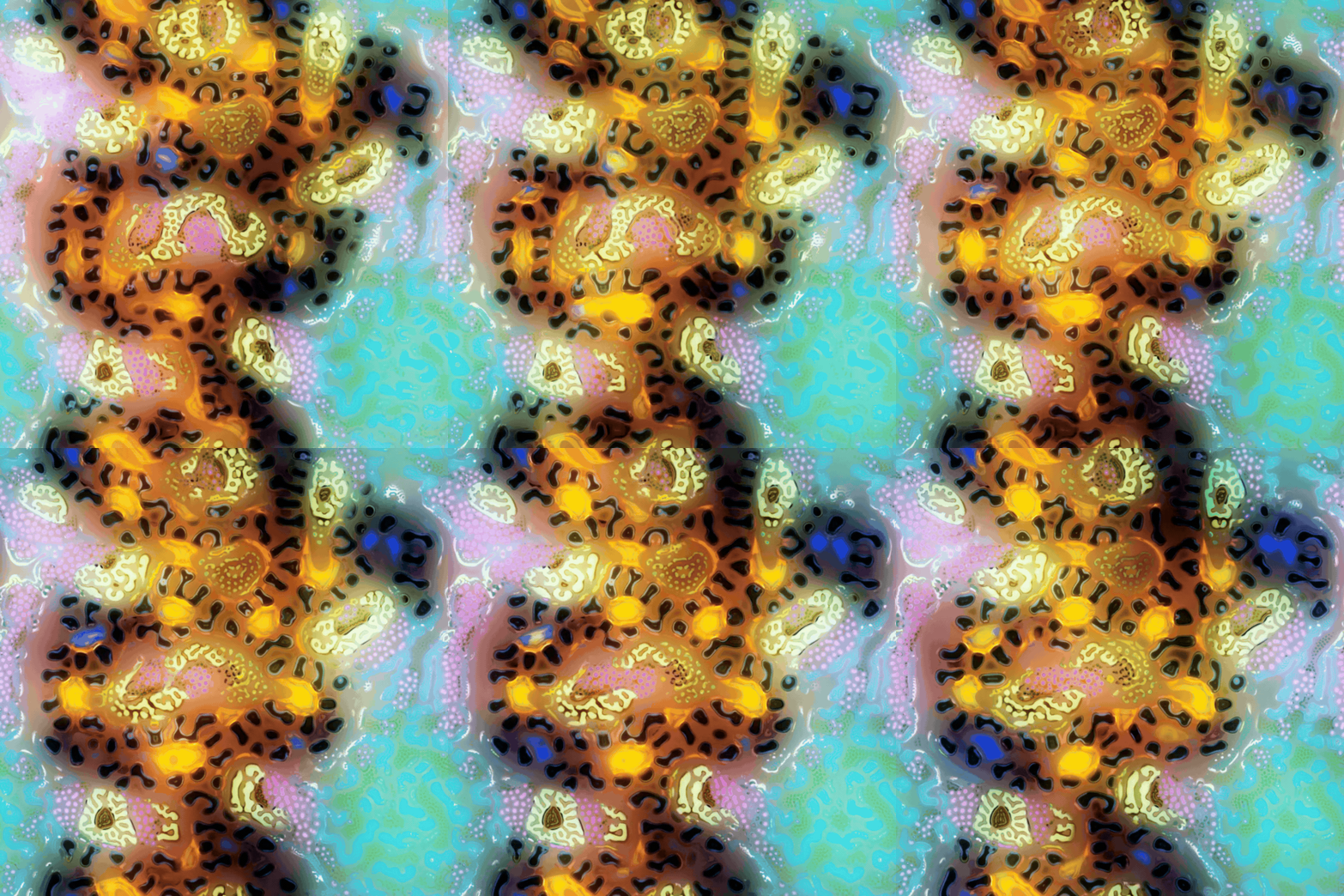
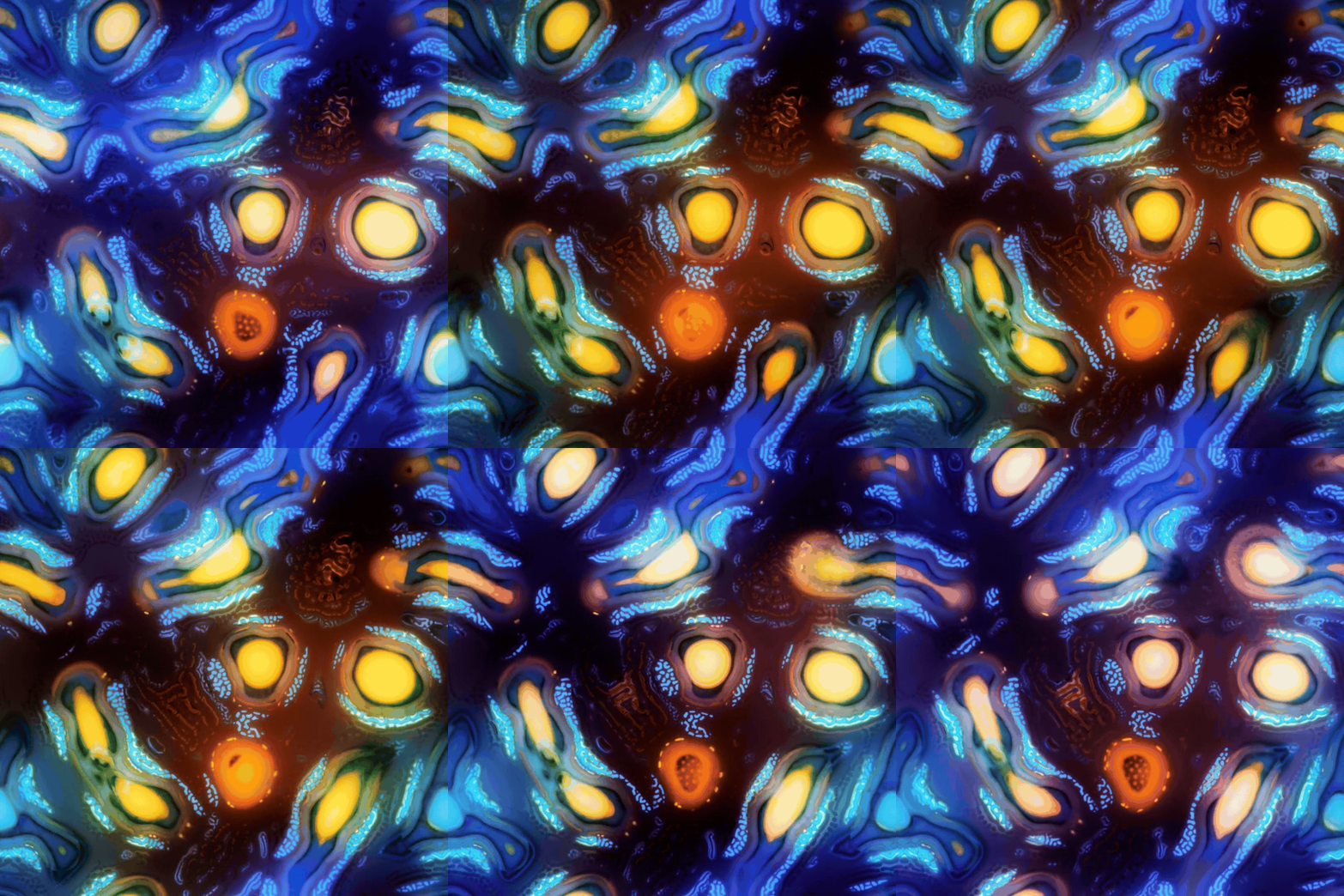
Evolved Turing Pattern #02, 2026.
Video H.264, 1080 × 1080 pixels, 25 frames per second, Duration: 5 minutes -
![]()
Evolved Turing Pattern #03, 2026.
Video H.264, 1080 × 1080 pixels, 25 frames per second, Duration: 5 minutes -
![]()
Evolved Turing Pattern #04, 2026.
Video H.264, 1080 × 1080 pixels, 25 frames per second, Duration: 5 minutes -
![]()
Evolved Turing Pattern #05, 2026.
Video H.264, 1080 × 1080 pixels, 25 frames per second, Duration: 5 minutes -
![]()
Evolved Turing Pattern #06, 2026.
Video H.264, 1080 × 1080 pixels, 25 frames per second, Duration: 5 minutes

Further Reading
-
![]()
EMERGENCE - INTERVIEW WITH JONATHAN MCCABE
Conducted by Kate Vass for EMERGENCE, this interview with Jonathan McCabe explores how simple computational rules produce biological complexity, what constitutes a software-based artwork and whether emergent systems could ultimately become conscious.
-
![]()
JONATHAN MCCABE: COMPUTER GENERATION AND CREATION
Jonathan McCabe traces his path from early experiments with chemistry and computing to a generative practice shaped by Turing’s theories, biological development and the interplay between deterministic systems and apparent chance.
-
![]()
GENERATIVE ART WITH JONATHAN MCCABE
Jonathan McCabe discusses how Turing patterns, self-organising systems and the unpredictability of code shape a generative practice poised between scientific simulation and artistic imagination.

Selected Exhibitions
-
![]()
EMERGENCE, ZURICH, 2026
EMERGENCE is conceived as a living exhibition and traces the evolution of complexity from simple computational rules to collective intelligence. Released over six weeks, each chapter reveals new artists and conversations exploring how interaction gives rise to pattern, organism, and society.
-
![]()
MORPHOGENESIS, STANFORD UNIVERSITY, US, 2019
Created for Stanford University’s Anne T. and Robert M. Bass Biology Research Building, Morphogenesis is a permanent interactive installation built around Jonathan McCabe’s Turing-pattern code, enabling visitors to generate compositions that become part of an evolving 32-foot media-mesh display
-
![]()
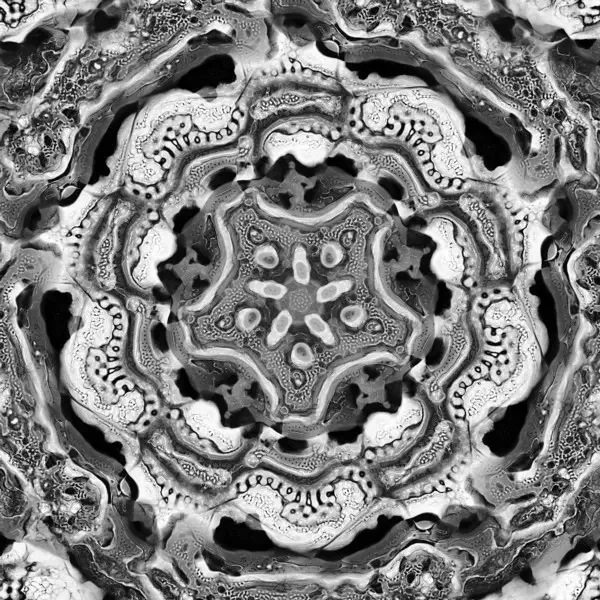
BRIDGES CONFERENCE, PÉCS, 2010
For the juried art exhibition at the 2010 Bridges Conference in Pécs, Hungary, Jonathan McCabe presented three works from his Diatomaceous series, combining Turing instabilities across multiple scales to create biomimetic forms resembling microscopic diatoms.
-
![]()
NERVOUS STATES, FRONT GALLERY, LYNEHAM, 2006
Presented at Front Gallery in Lyneham, Jonathan McCabe’s Nervous States translated the shifting outputs of neural networks into nine psychedelic digital prints, mapping moments of stability, sudden transition and complex oscillation.