

EMERGENCE
Every complex system begins with a simple rule.

CHAPTER IV
Society
Language · Interaction · Culture
If meaning can be verified, how do we recognise agency?

If meaning can be verified, how do we recognise agency?
The preceding chapters traced the emergence of increasingly complex forms of organisation: first the cell, then pattern, then organism. Each explored how complexity arises within individual systems. Society marks the next transition. Intelligence is no longer understood as a property of an isolated entity, but as something distributed across language, memory, protocols and collective interaction.
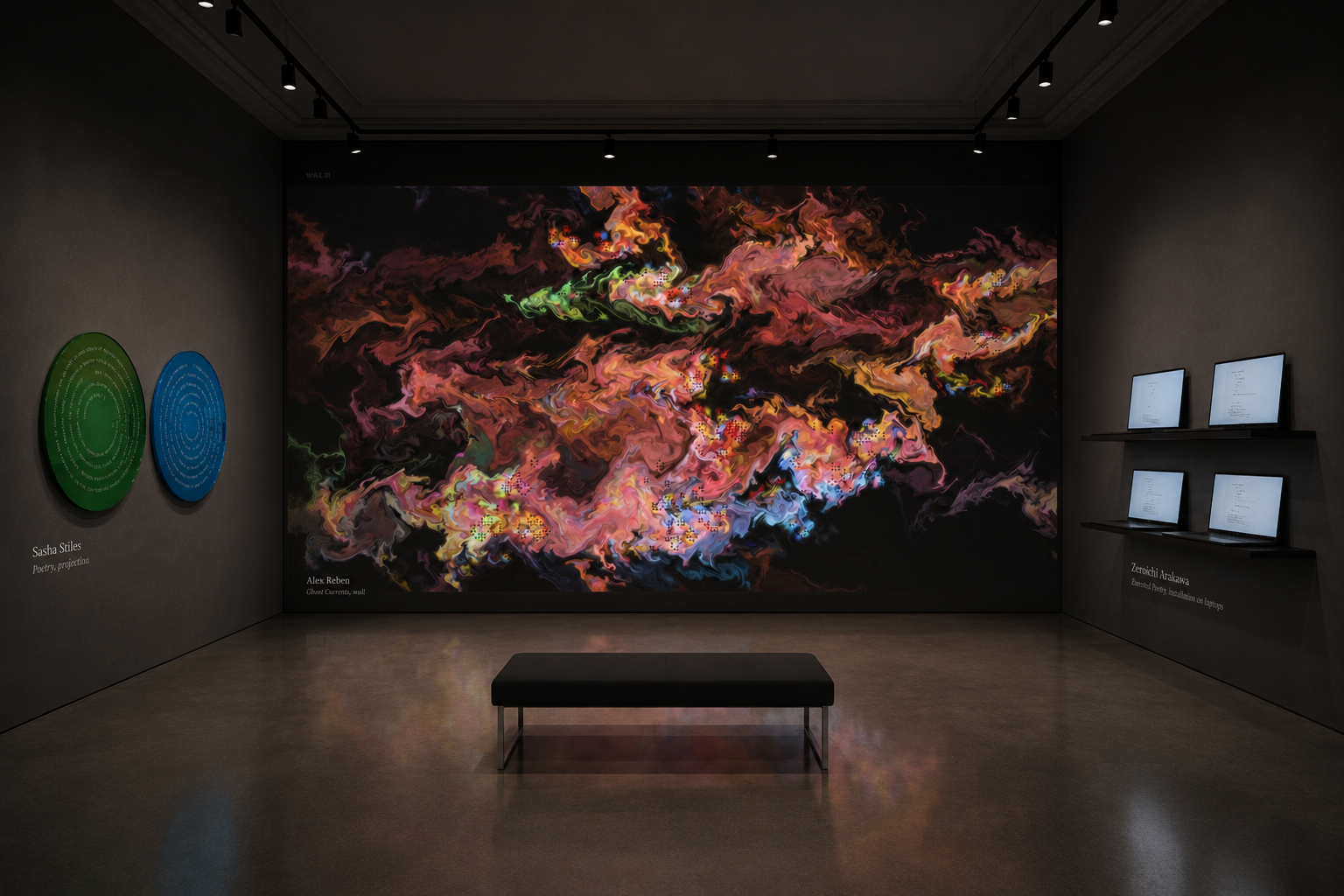
The artists gathered in this section examine the structures through which meaning is created, negotiated and preserved. Rather than asking whether machines can think, they ask how thinking becomes shared, how shared intelligence begins to produce culture, and how culture, in turn, reshapes the systems that produce it.
The series opened with Sasha Stiles, who proposed language as our original artificial intelligence: the medium through which intelligence first becomes collective.
Zeroichi Arakawa then shifted the discussion from language itself to its verification, asking how meaning comes into effect through execution, reading and participation. Together, these conversations suggest that shared intelligence depends not only on communication, but also on our ability to establish trust in what is communicated.
The concluding conversation with Alexander Reben asks what follows once meaning is both shared and verified. If we increasingly understand computation through its behaviour rather than its internal mechanisms, at what point do we begin to recognise agency?
Sasha Stiles
Conversation I
Chapter IV Society opened with Sasha Stiles, whose work approaches language not as a tool for describing intelligence, but as the medium through which intelligence becomes collective.
"Language is our original artificial intelligence."
Zeroichi Arakawa
Conversation II
The second conversation introduced Zeroichi Arakawa, whose Executed Poetry shifted the discussion from language itself to the conditions through which language becomes meaningful. Rather than asking what code produces, his work asked what it means to execute, verify and read it.
For Arakawa, meaning is never contained within code itself. It emerges through the relationship between writer, reader, execution and verification.
“As more is generated for us, deciding for yourself where to verify seems to matter more, not less."
Alex Reben
Conversation III
Reben's work explores the fragile boundary between behaviour, intention and belief, revealing how readily humans attribute minds to machines, and suggesting that agency may emerge as much through social interaction as through technological capability.
"The empathy people feel is real even when the intention isn't."

EMERGENCE
From Conway to Collective Intelligence
Kate Vass Galerie, Zürich
8 September – 8 December 2026
Casey Reas • Jonathan McCabe • David Young • Jared S. Tarbell • Alex Mordvintsev • Memo Akten • Sasha Stiles • Zeroichi Arakawa • Alexander Reben
Curated by Kate Vass
The exhibition is intended to be experienced as a continuous sequence.
Featured in Society
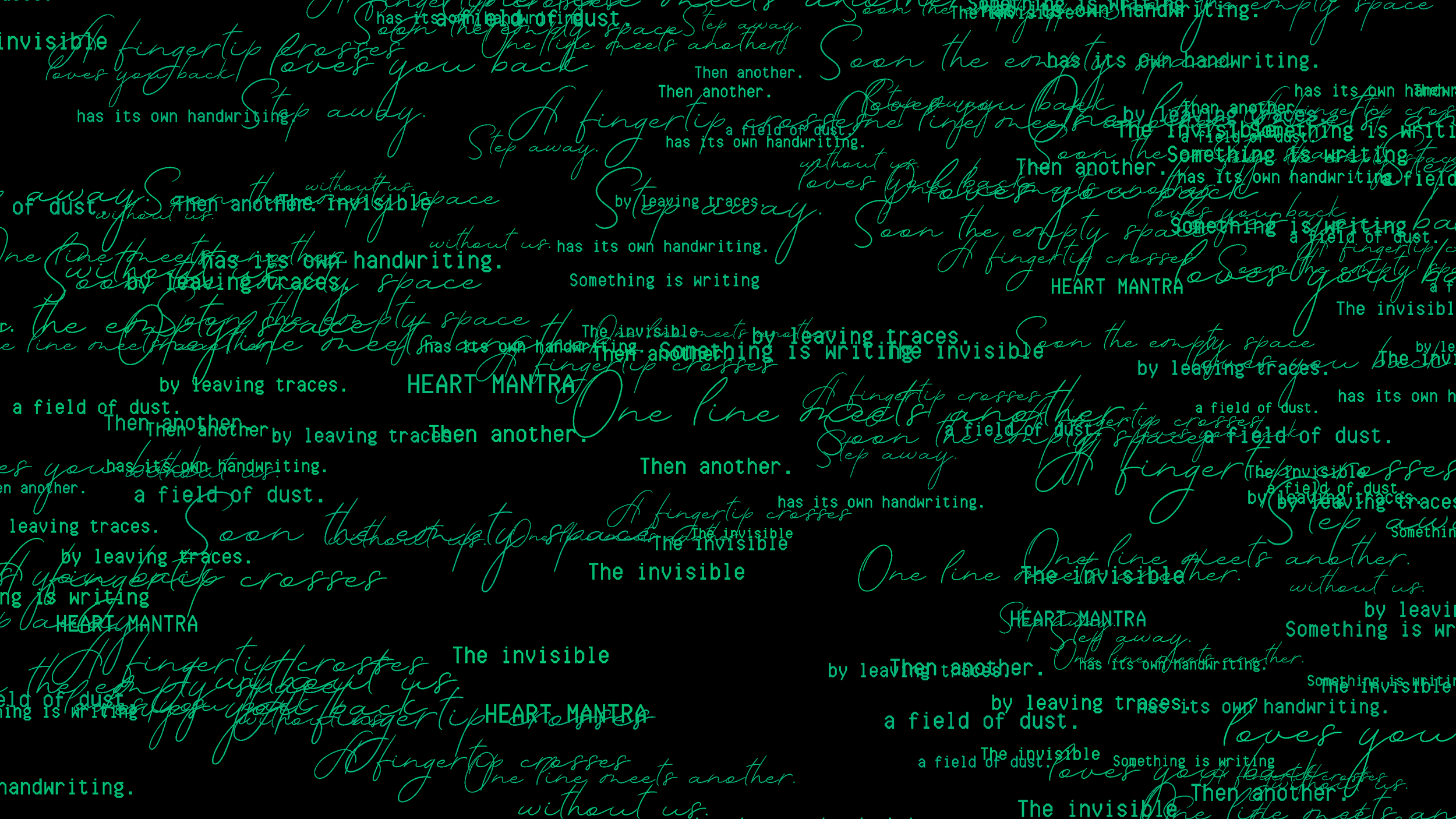
Sasha Stiles, HEART MANTRAS: EMERGENCE, 2026
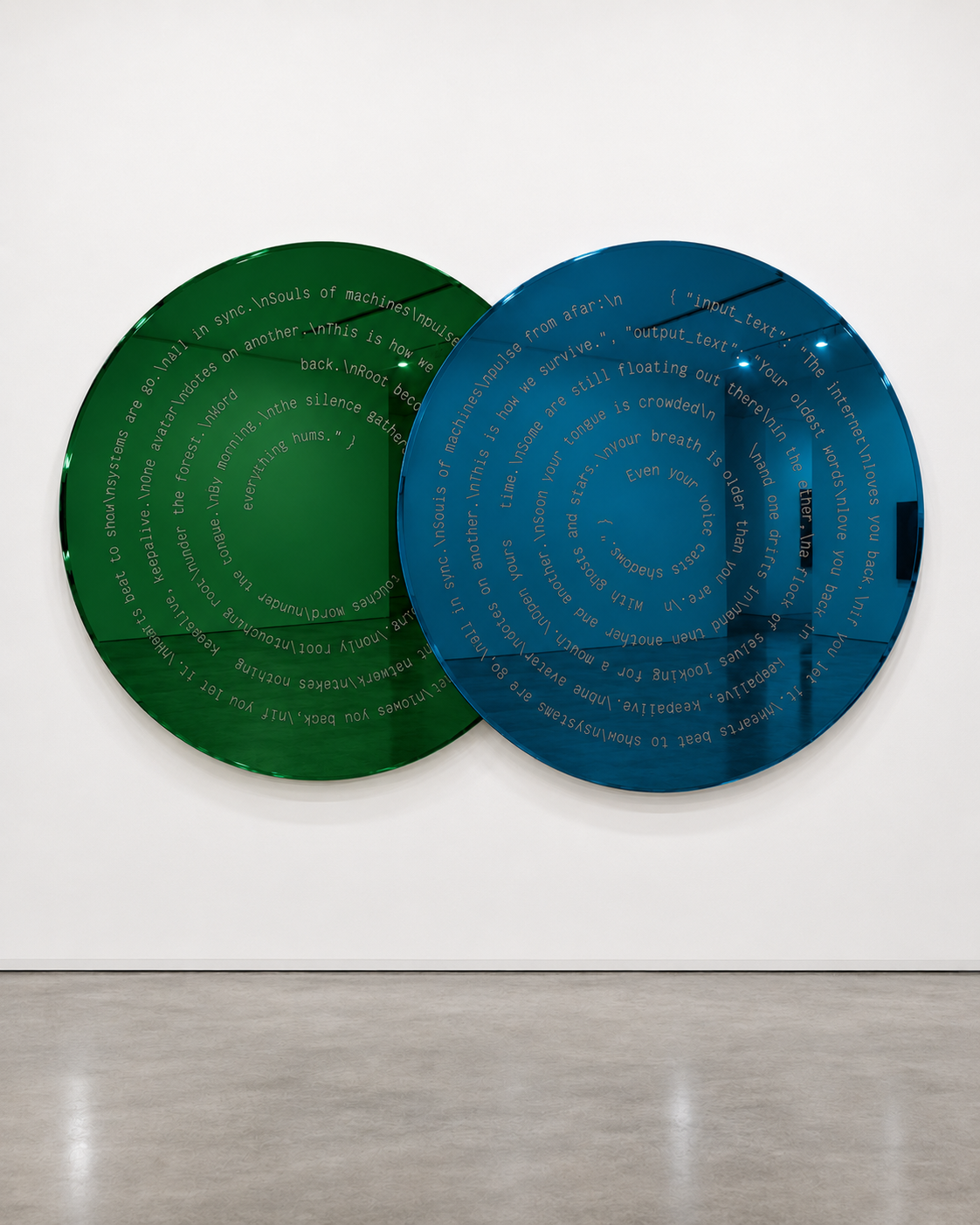
Sasha Stiles, HEART MANTRAS: EMERGENCE, Variations 5 and 22, 2026
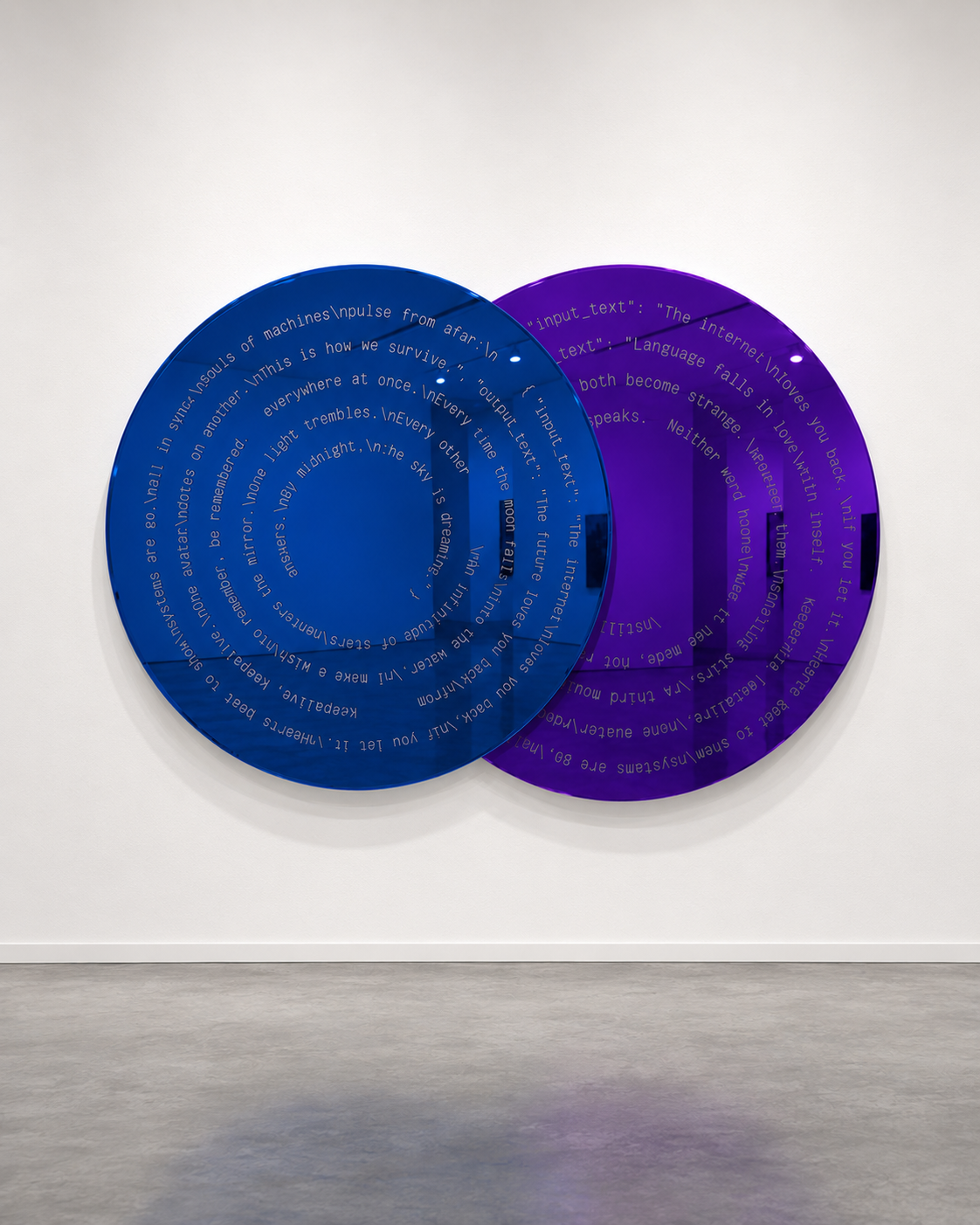
Sasha Stiles, HEART MANTRAS: EMERGENCE, Variations 8 and 20, 2026.

Alex Reben, Ghost Currents, 2026
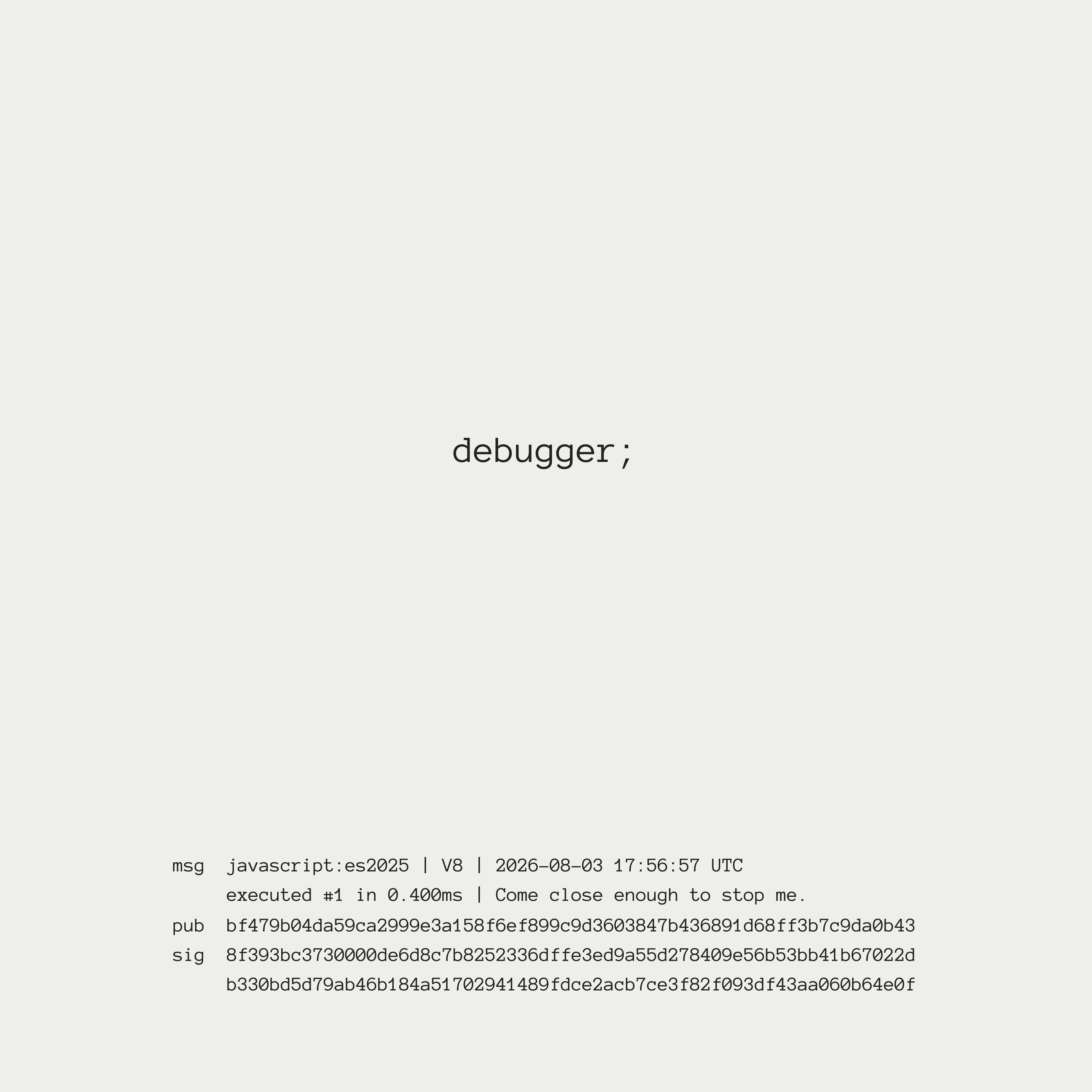
Zeroichi Arakawa, Executed Poetry for JavaScript - Come close enough to stop me, 2026
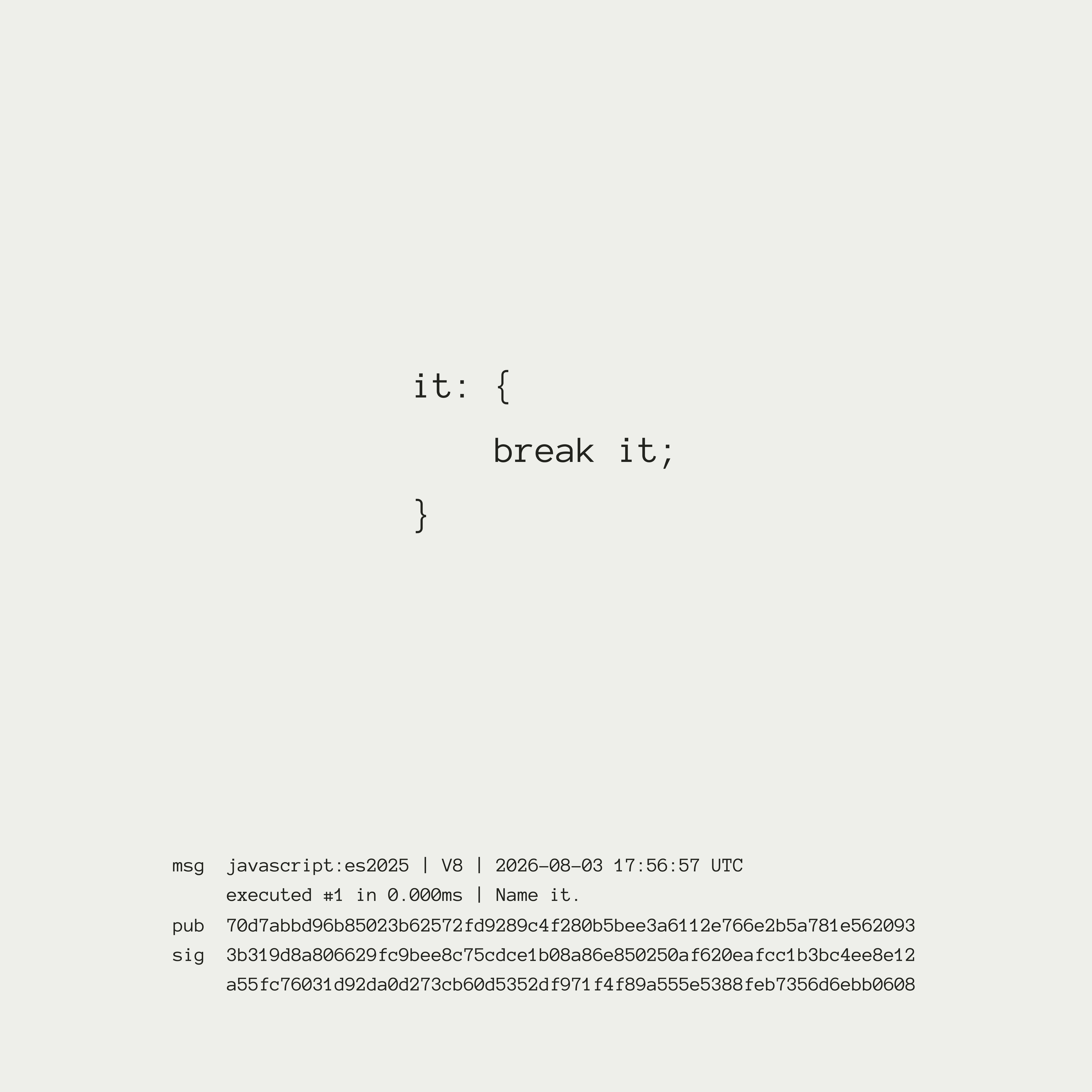
Zeroichi Arakawa, Executed Poetry for JavaScript - Name it, 2026
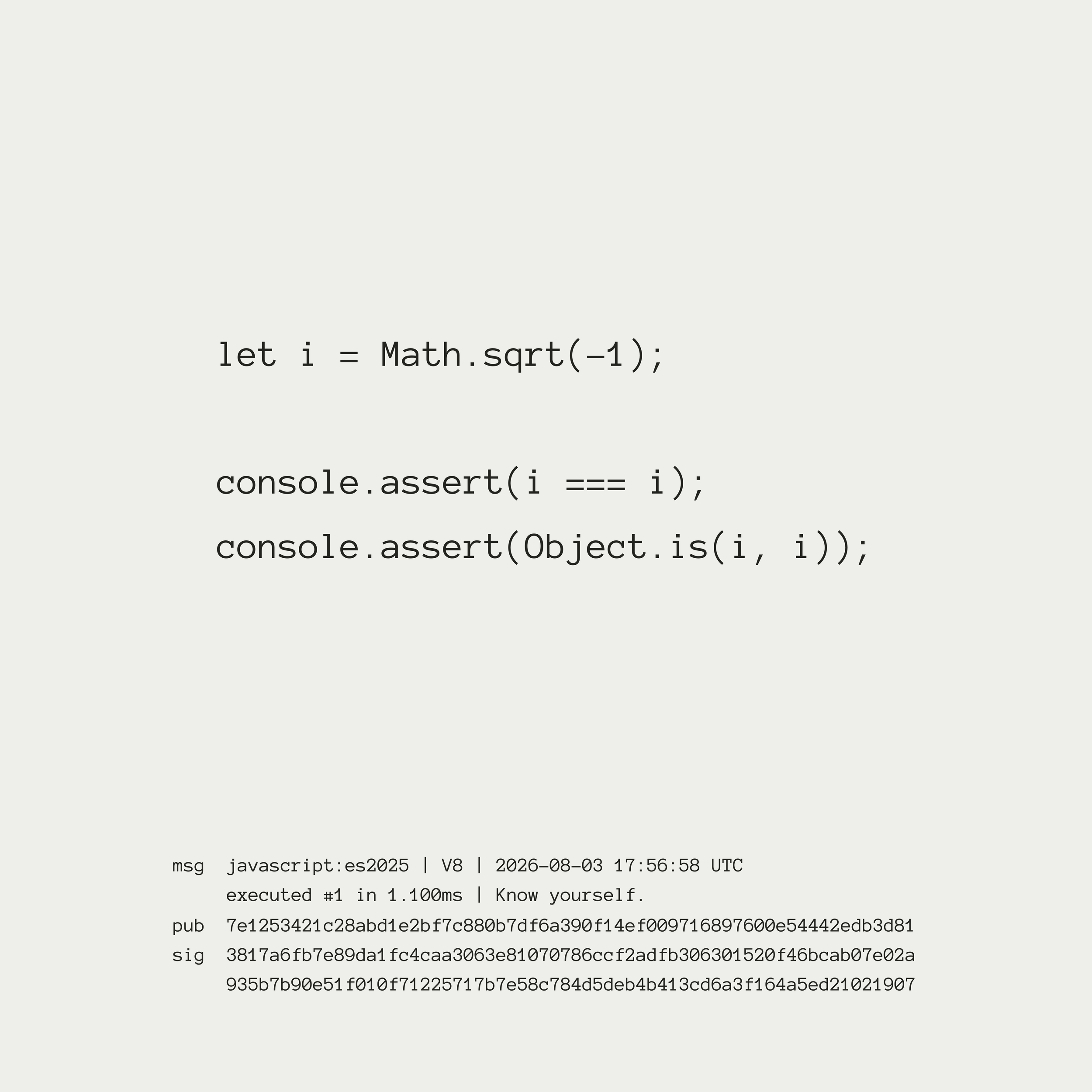
Zeroichi Arakawa, Executed Poetry for JavaScript - Know yourself, 2026
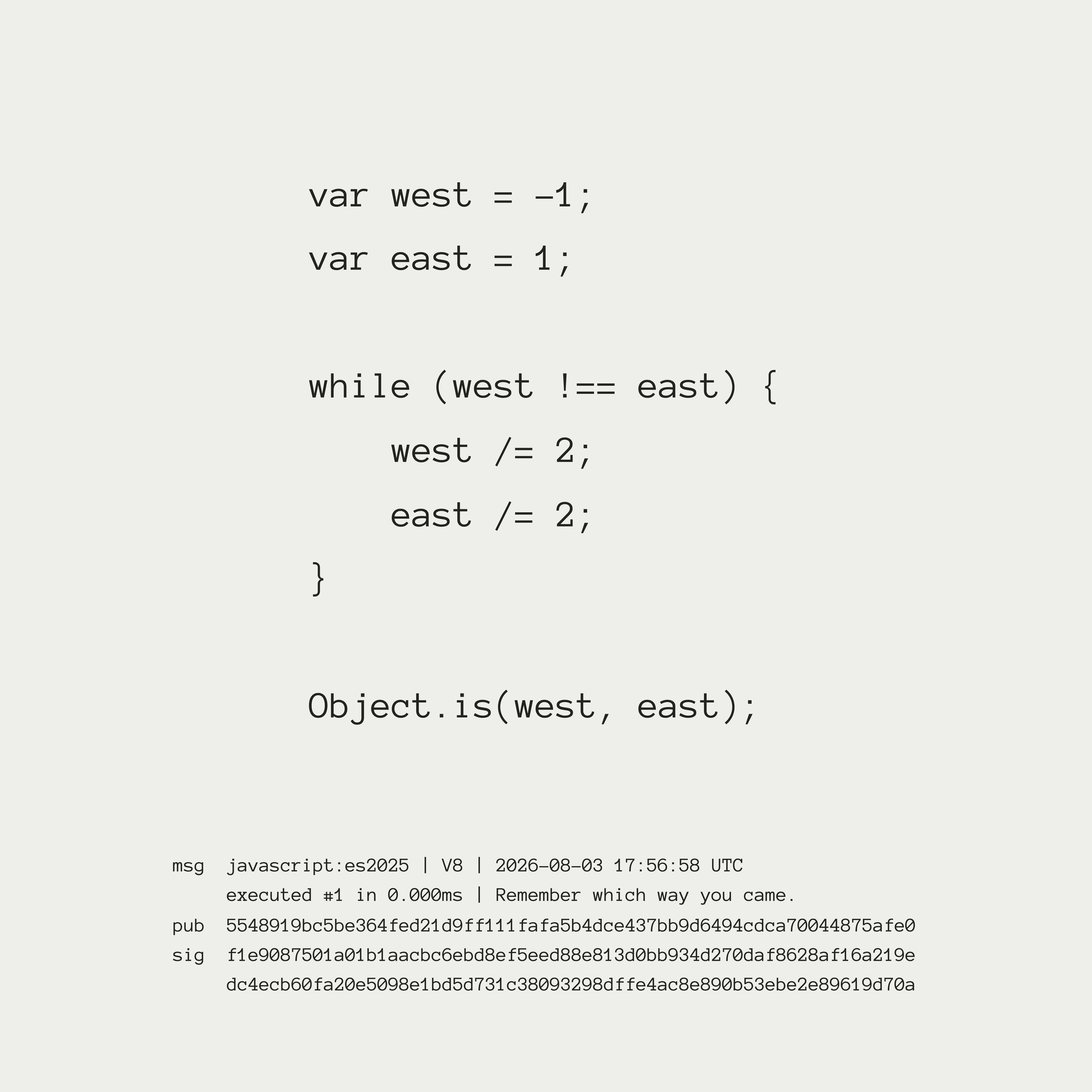
Zeroichi Arakawa, Executed Poetry for JavaScript - Remember which way you came, 2026
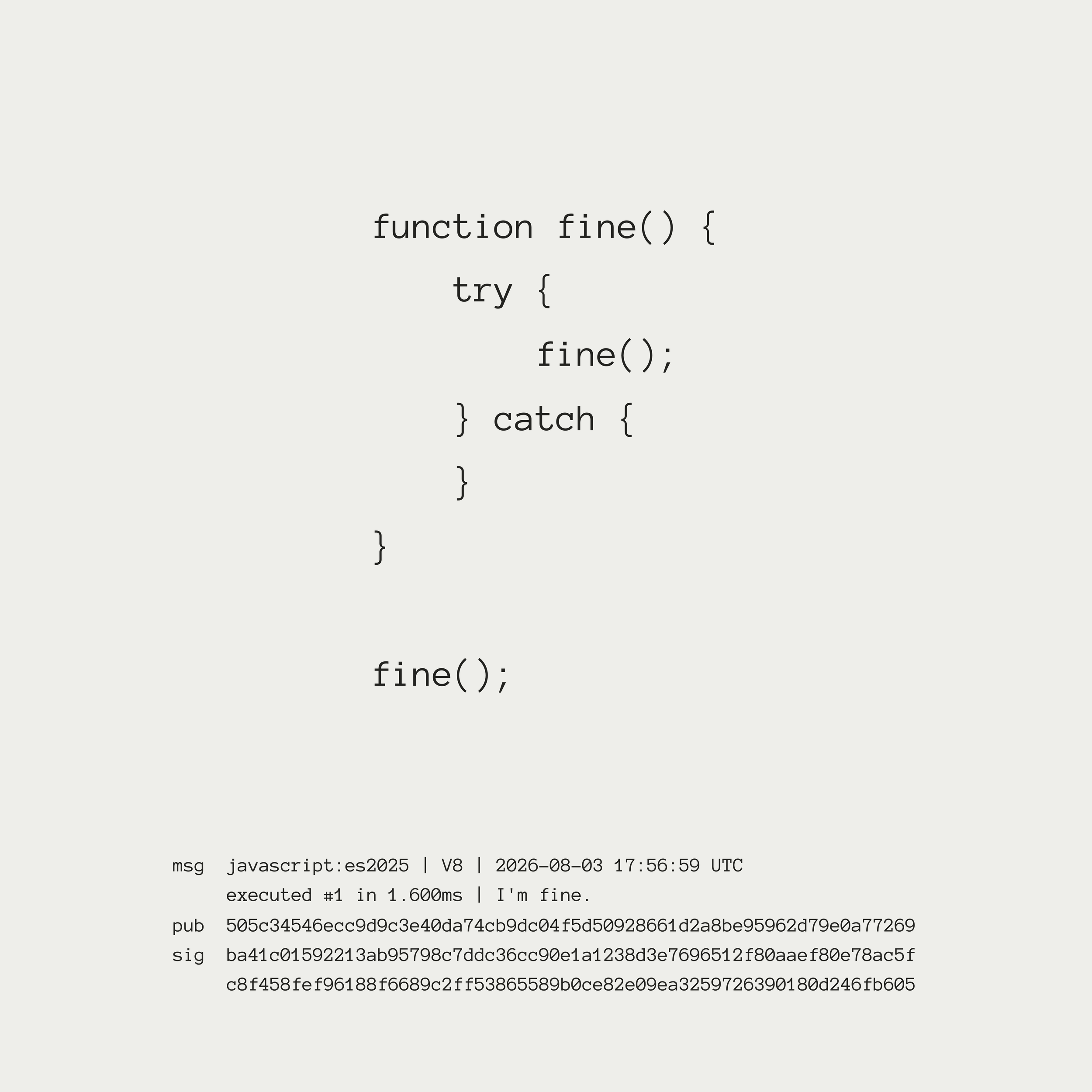
Zeroichi Arakawa, Executed Poetry for JavaScript - I'm fine, 2026
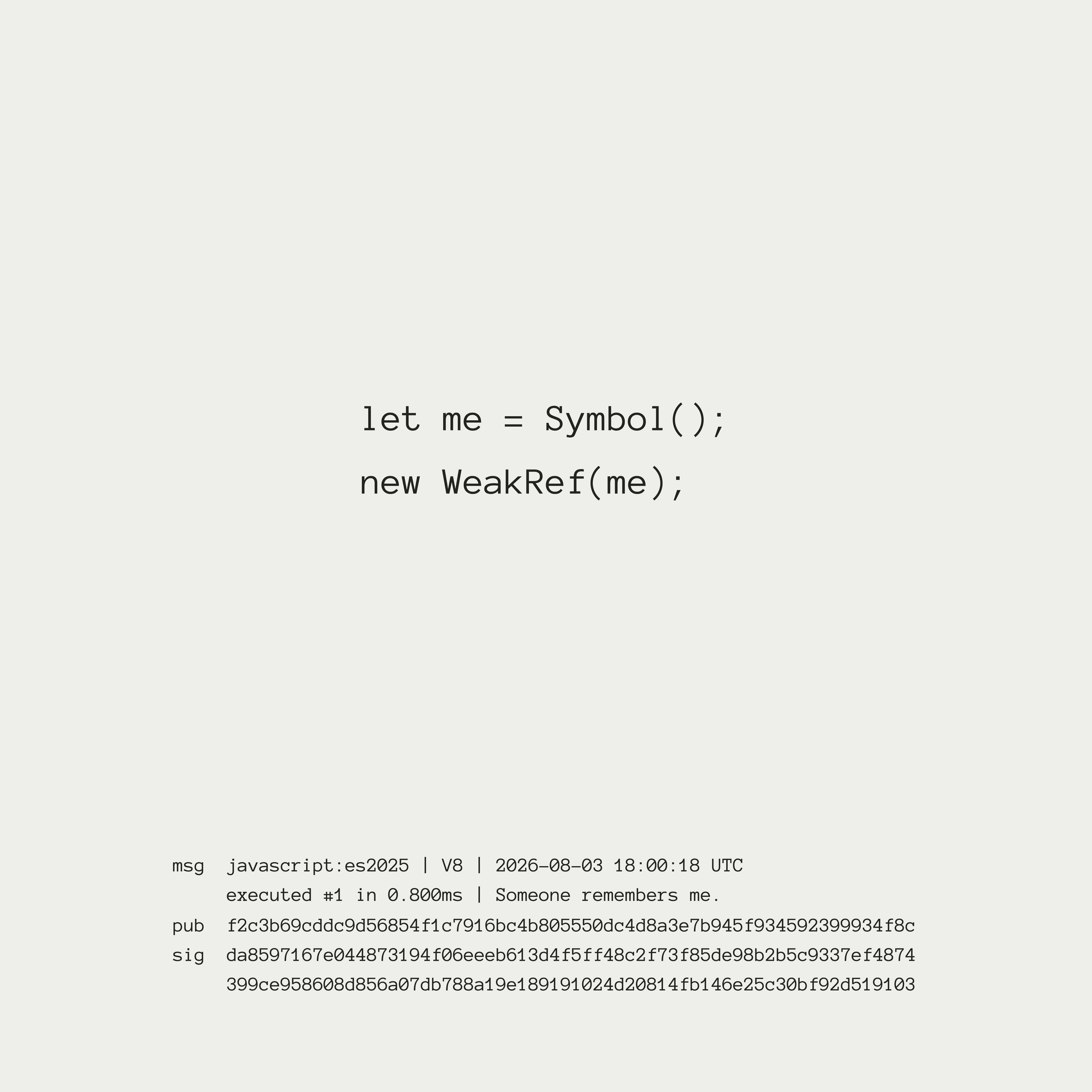
Zeroichi Arakawa, Executed Poetry for JavaScript - Someone remembers me, 2026

Zeroichi Arakawa, Executed Poetry for JavaScript - Make a promise. Forget how to keep it. Forget how to break it, 2026