
FEATURED WORKS
David Young
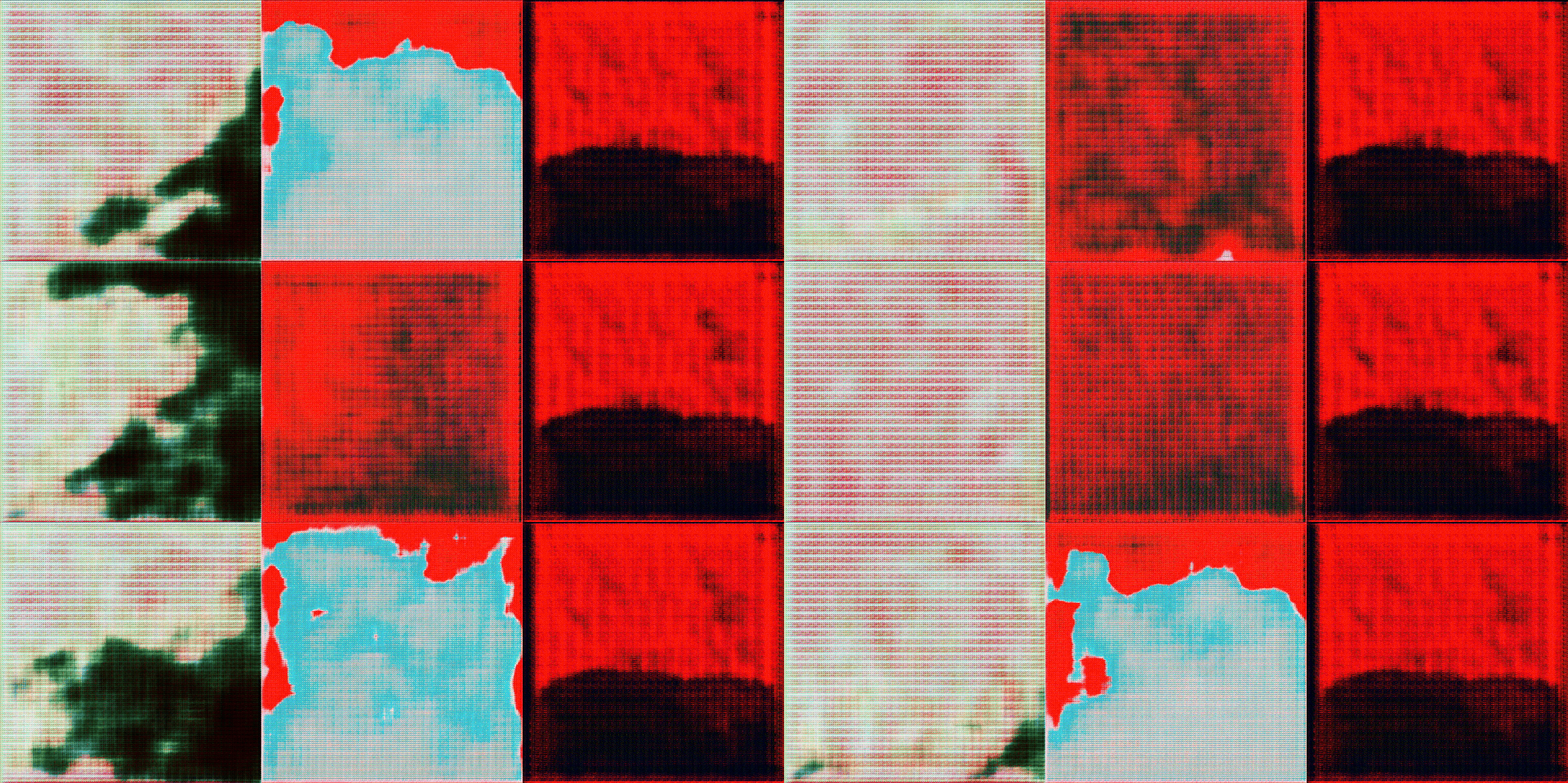
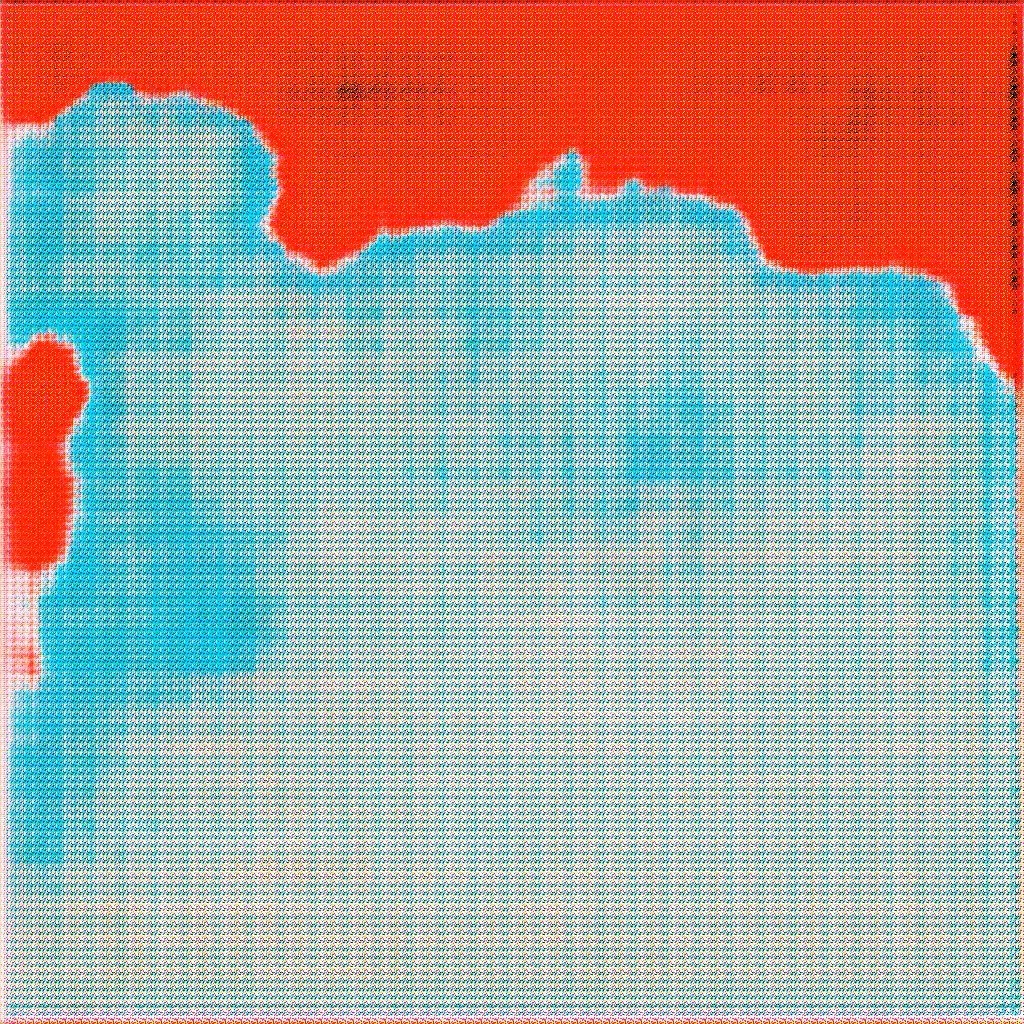
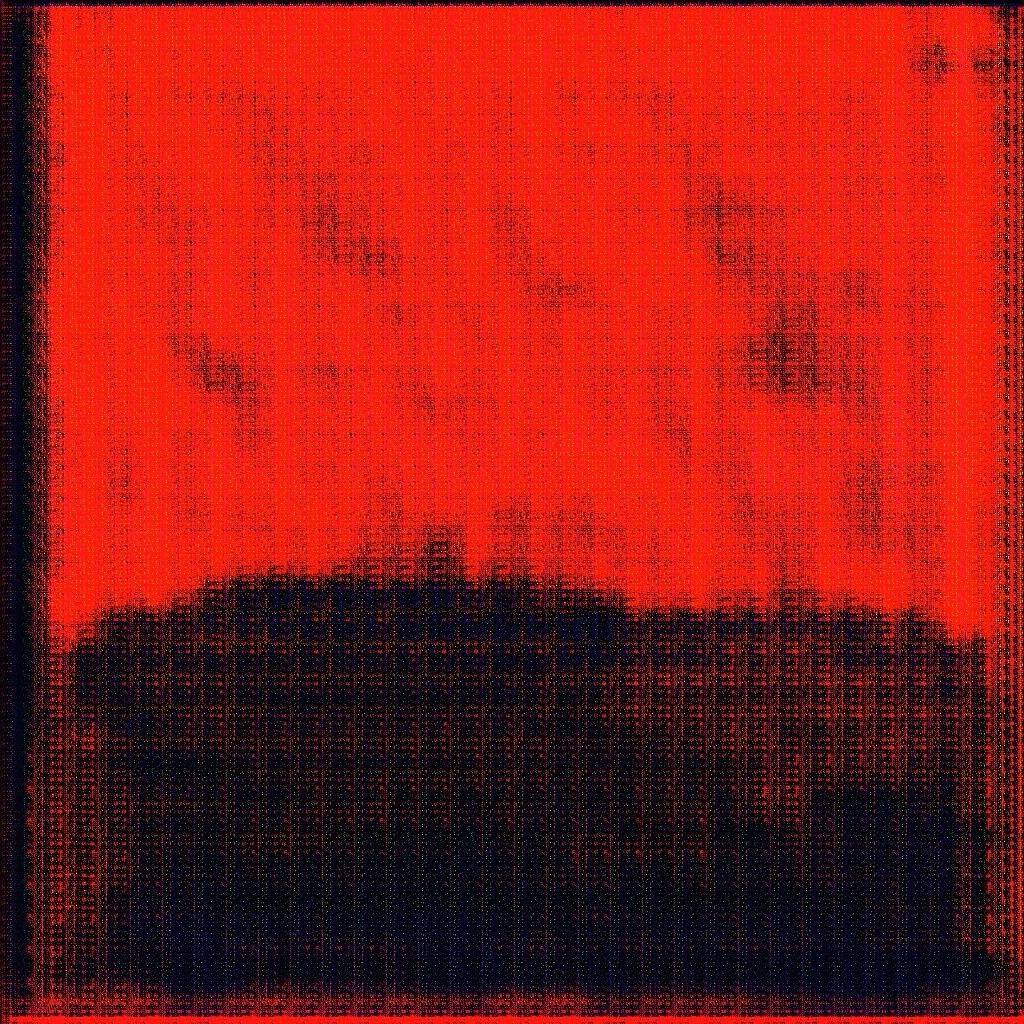
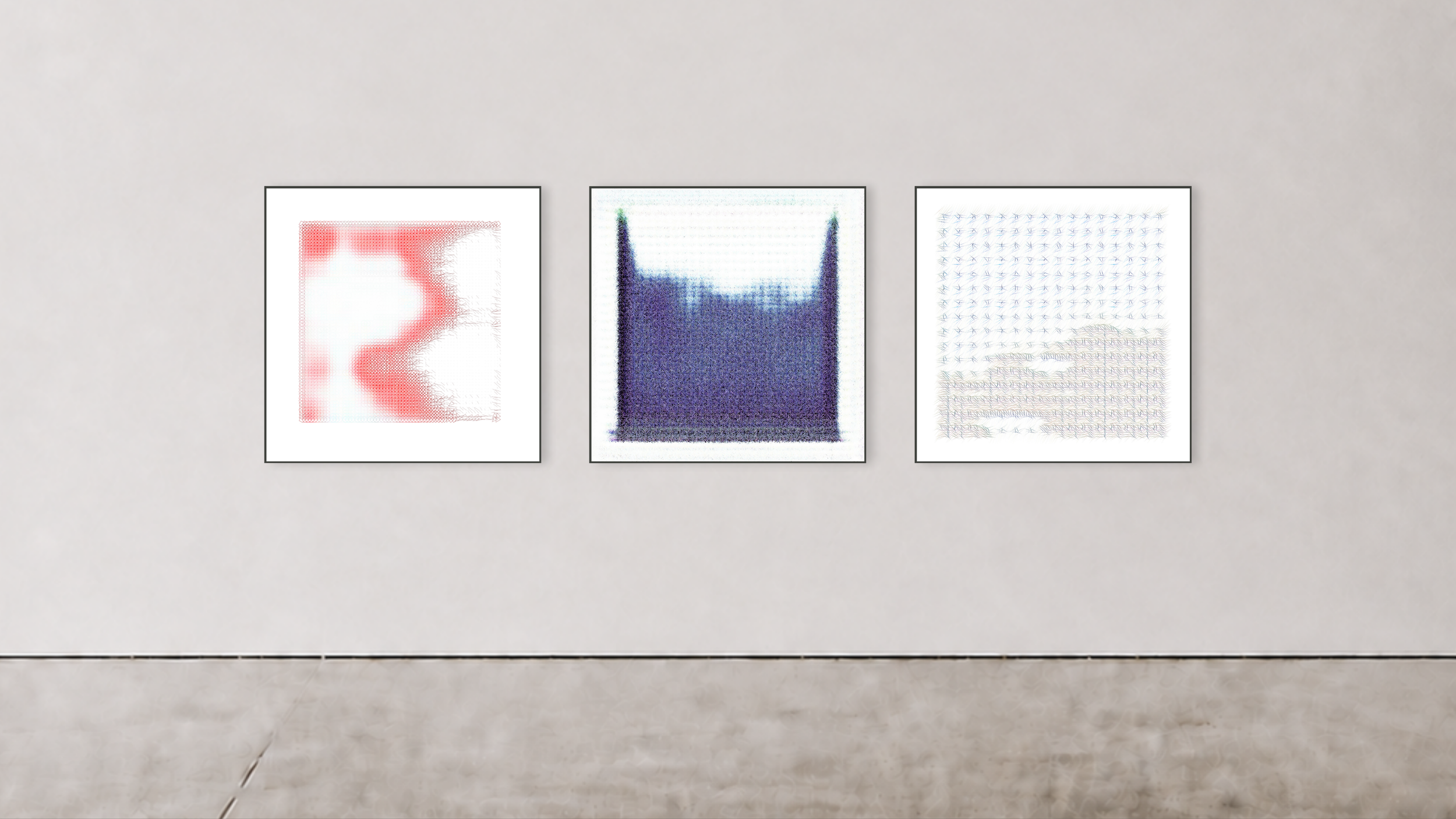
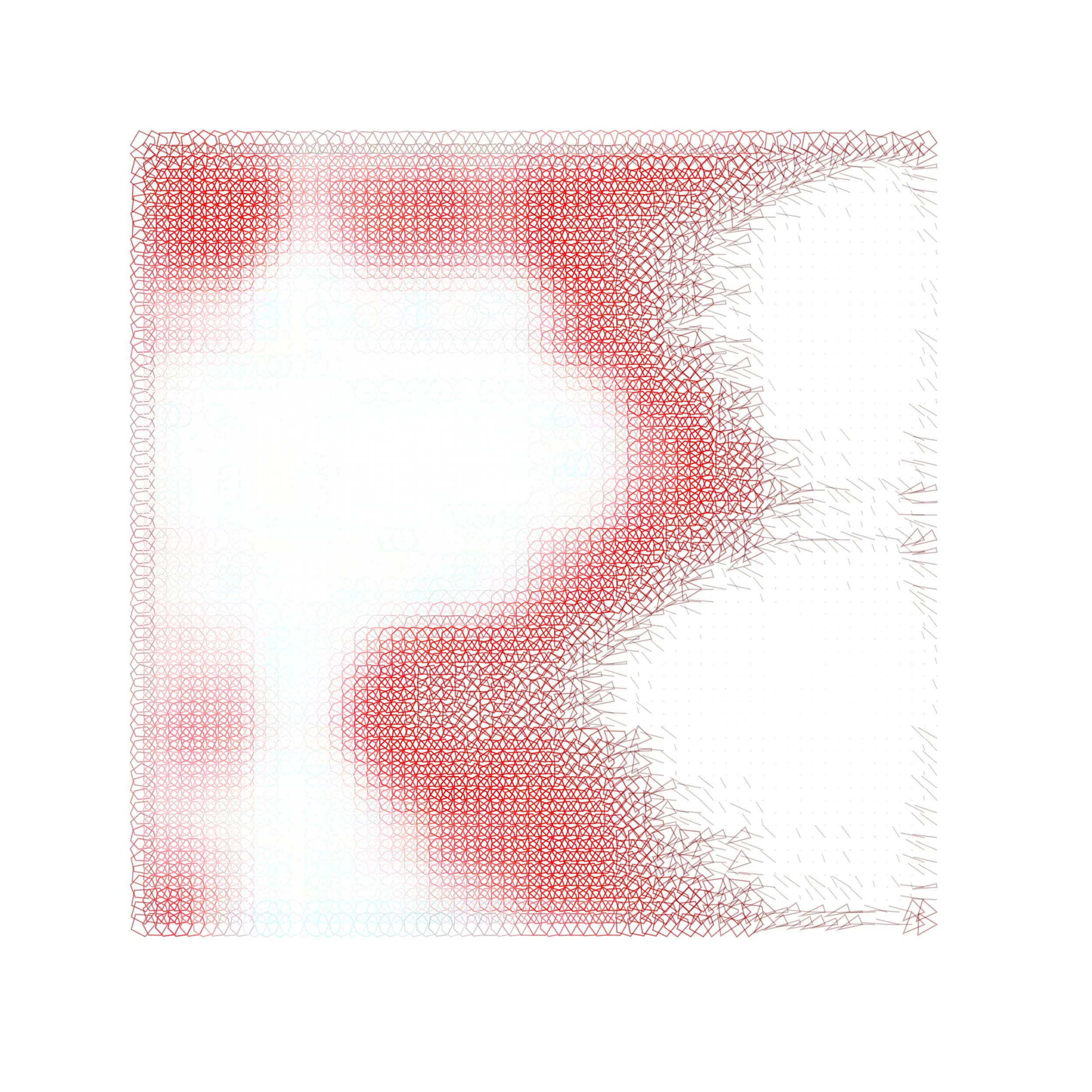
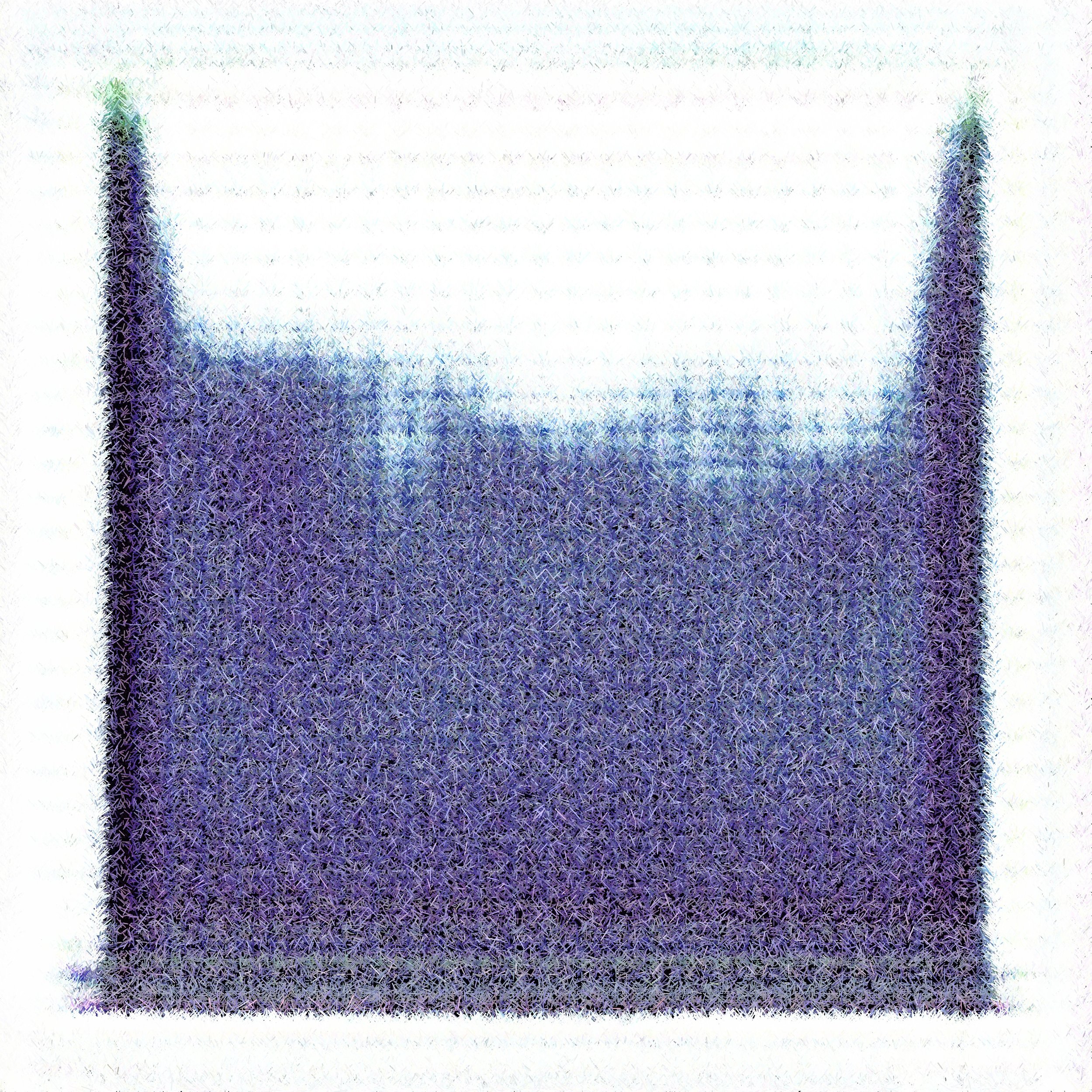
David Young, Tabula Rasa (b67e2,2200), Tabula Rasa (b67e2,3700,1), and Tabula Rasa (b67e2,4800), 2020.
Tabula Rasa, 2019-2021
Tabula Rasa investigates the materiality and affective dimensions of artificial intelligence by stripping machine learning to its most elemental state. The work treats the neural network as a blank slate, training it exclusively on solid colors and basic geometric forms—the minimal visual vocabulary from which all complexity emerges. This radical constraint transforms the system into a site for exploring what might be called machine romanticism: the possibility that computational processes generate their own forms of expression when freed from the burden of representation.
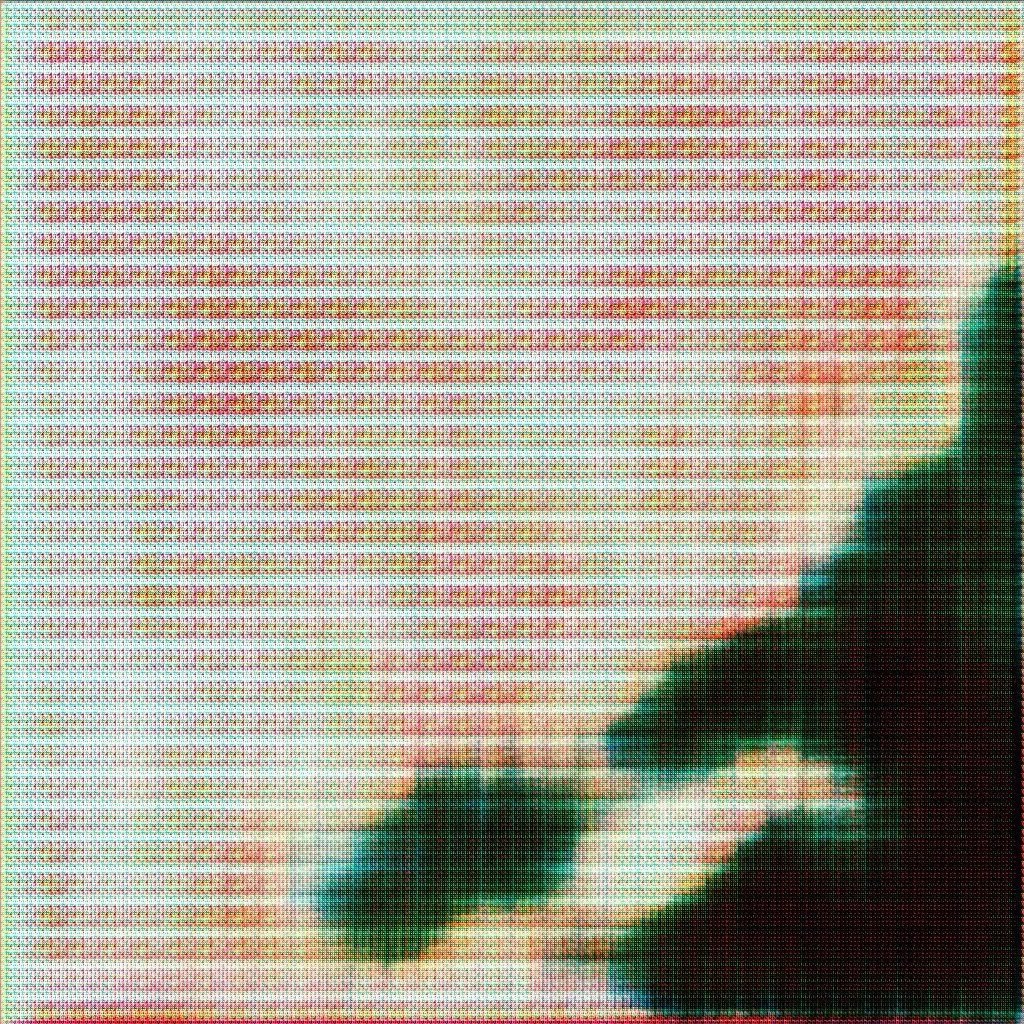
The resulting images document the machine’s attempts to construct visual meaning from pure abstraction. Without photographic reference or semantic content to guide it, the system reveals its own material substrate—the computational grain through which all machine vision passes. These works suggest that what we interpret as machine “emotions” may be the visible traces of the system’s internal states as it navigates the space between input and output, between constraint and generation.
The images emerge from the tension between the machine’s mathematical structure and its generative potential, creating forms that exist nowhere else—neither in nature nor in human imagination, but in the specific topology of artificial neural networks learning to see.
-
![]()
Tabula Rasa (b67e2,2200), 2020
-
![]()
Tabula Rasa (b67e2,3700,1), 2020
-
![]()
Tabula Rasa (b67e2,4800), 2020

“Nobody has neutral access to reality. We each make sense of the world through our partial senses and how our minds work. AI isn’t catching something we missed, and it isn’t making things up. It just sees otherwise.”
— David Young
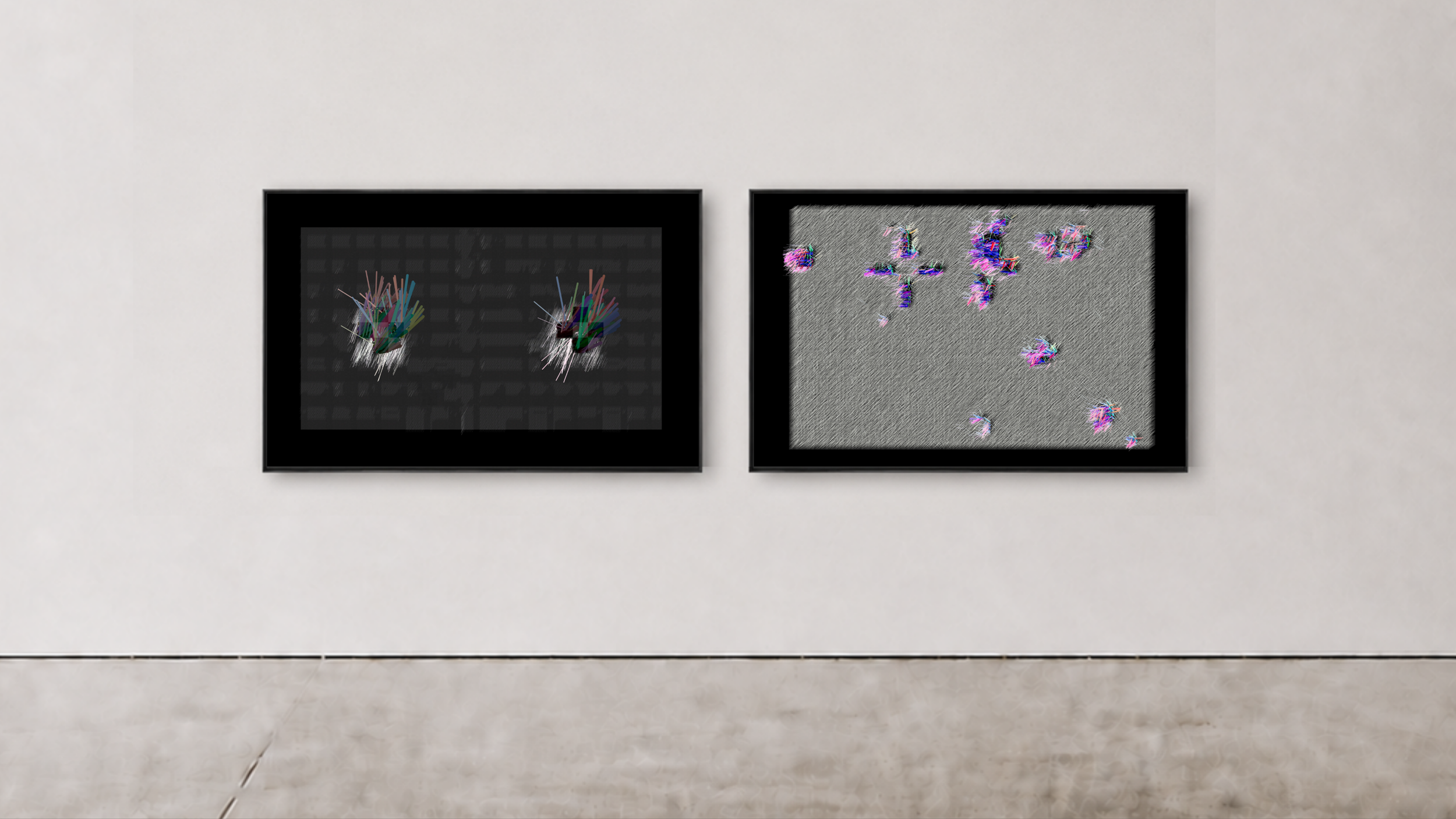
Young's Life trains a Generative Adversarial Network on Conway's Game of Life as it runs -- a cellular automaton in which elaborate behavior emerges from four simple rules. While his earlier Tabula Rasa and Learning Nature constrain the machine's data, here the constraint is conceptual: a modern learning system set to watch one of computing's oldest models of emergence, an ancestor of its own founding idea. The GAN generates images from what it observes, which Young then manipulates with his own code. What returns is not Life as we recognize it -- the system renders the familiar as something strange, a reminder that these technologies perceive the world otherwise than we do.
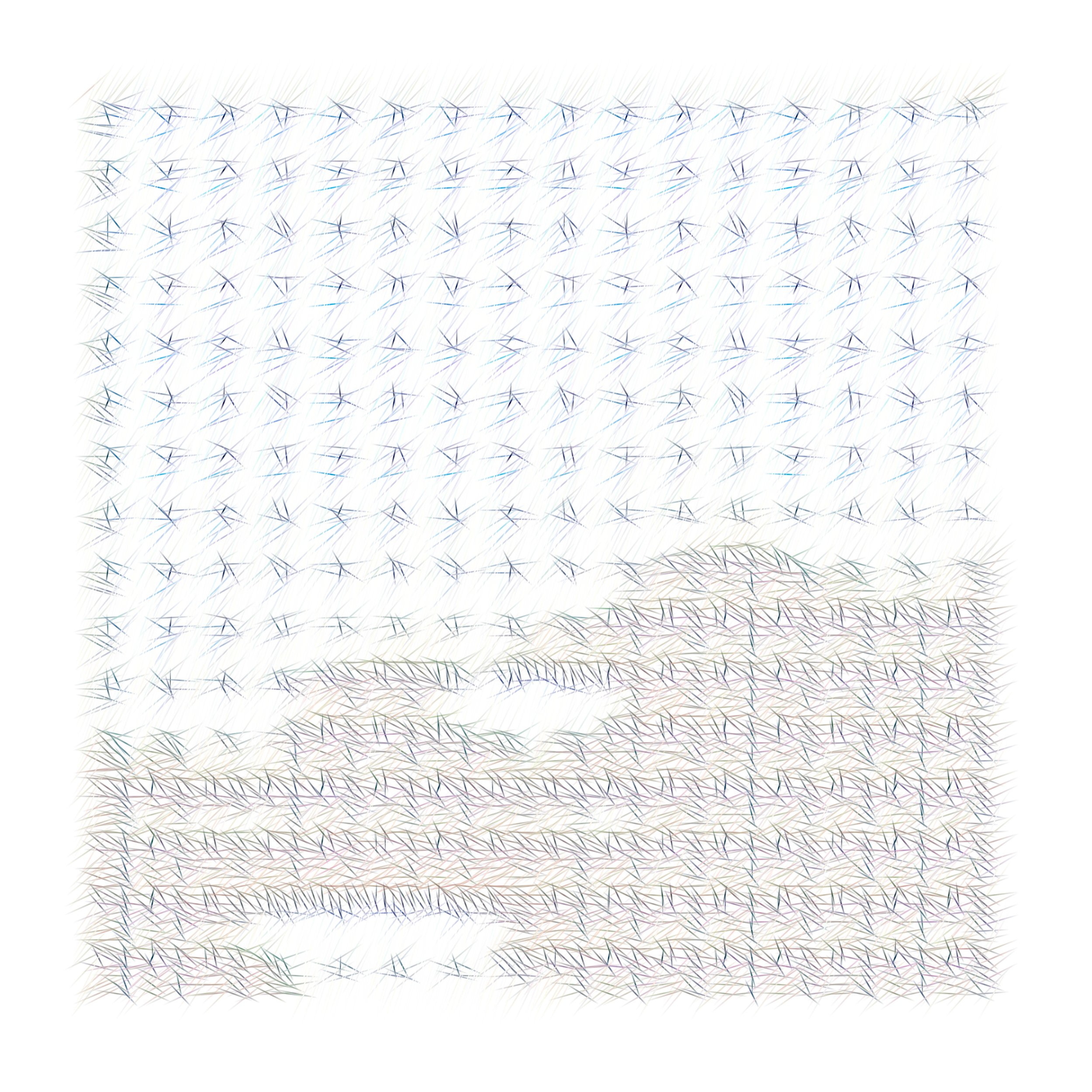
David Young, Life (b72d,m,2259,3+4,c-20,6,8,17,2,13-ca) and Life (b72b,m,3300,d-20,6,2,15,52,55-ca), 2020.
Life, 2020
-
![]()
Life (b72b,m,3300,d-20,6,2,15,52,55-ca), 2020
-
![]()
Life (b72d,m,2259,3+4,c-20,6,8,17,2,13-ca), 2020
-
![]()
Life (b72b,m,3300,d-20,6,2,15,53,17-ca), 2020
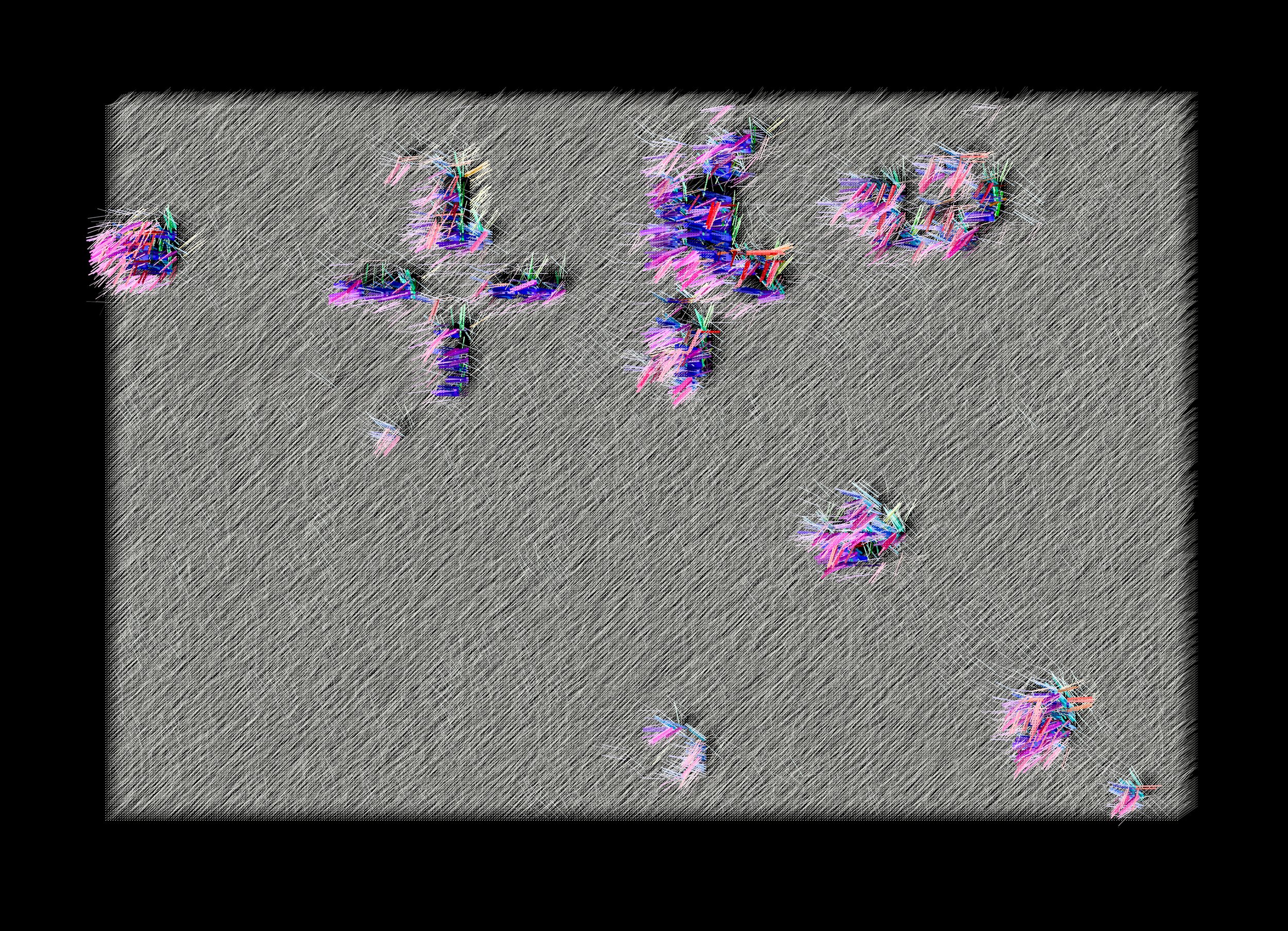
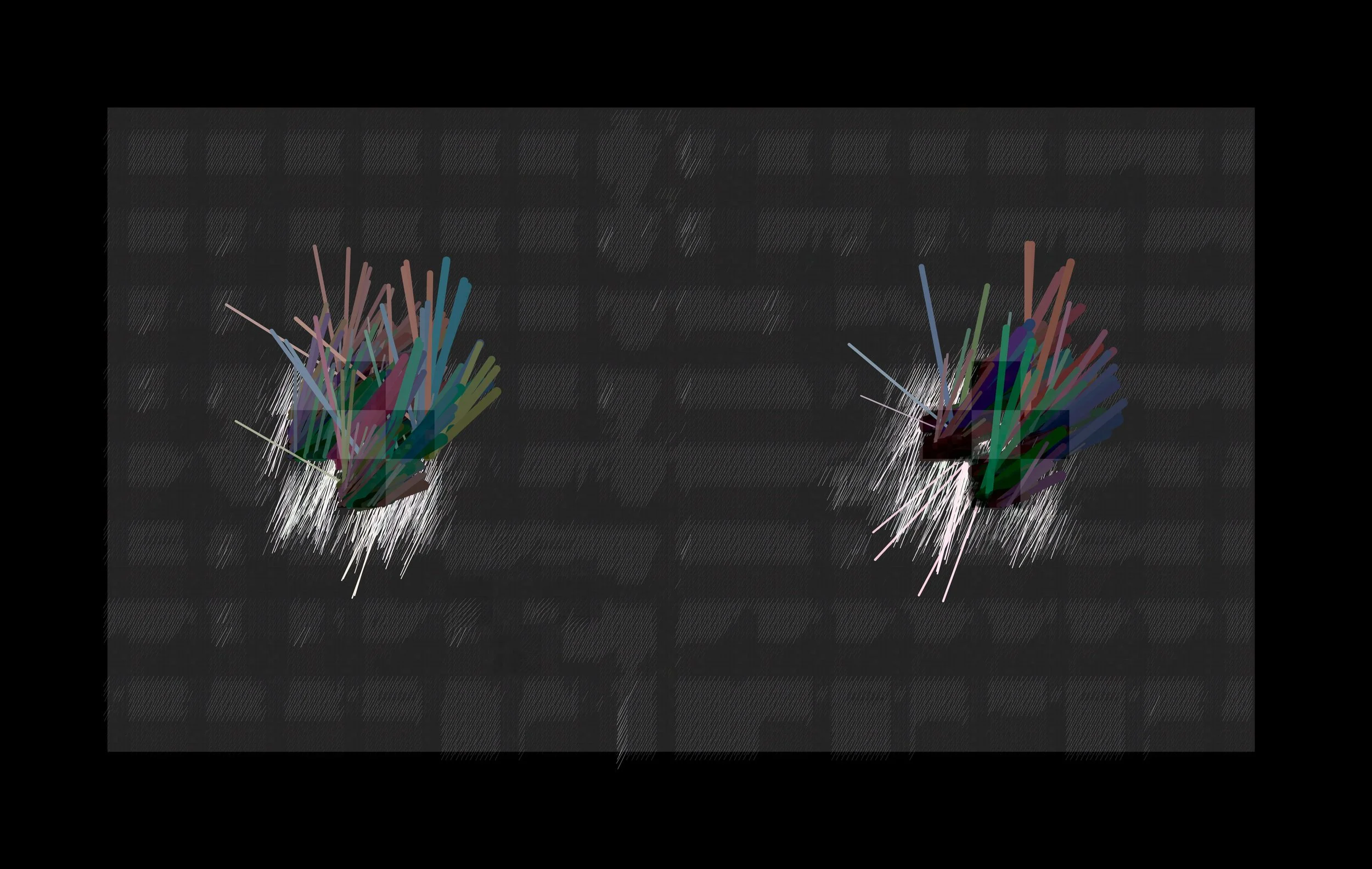
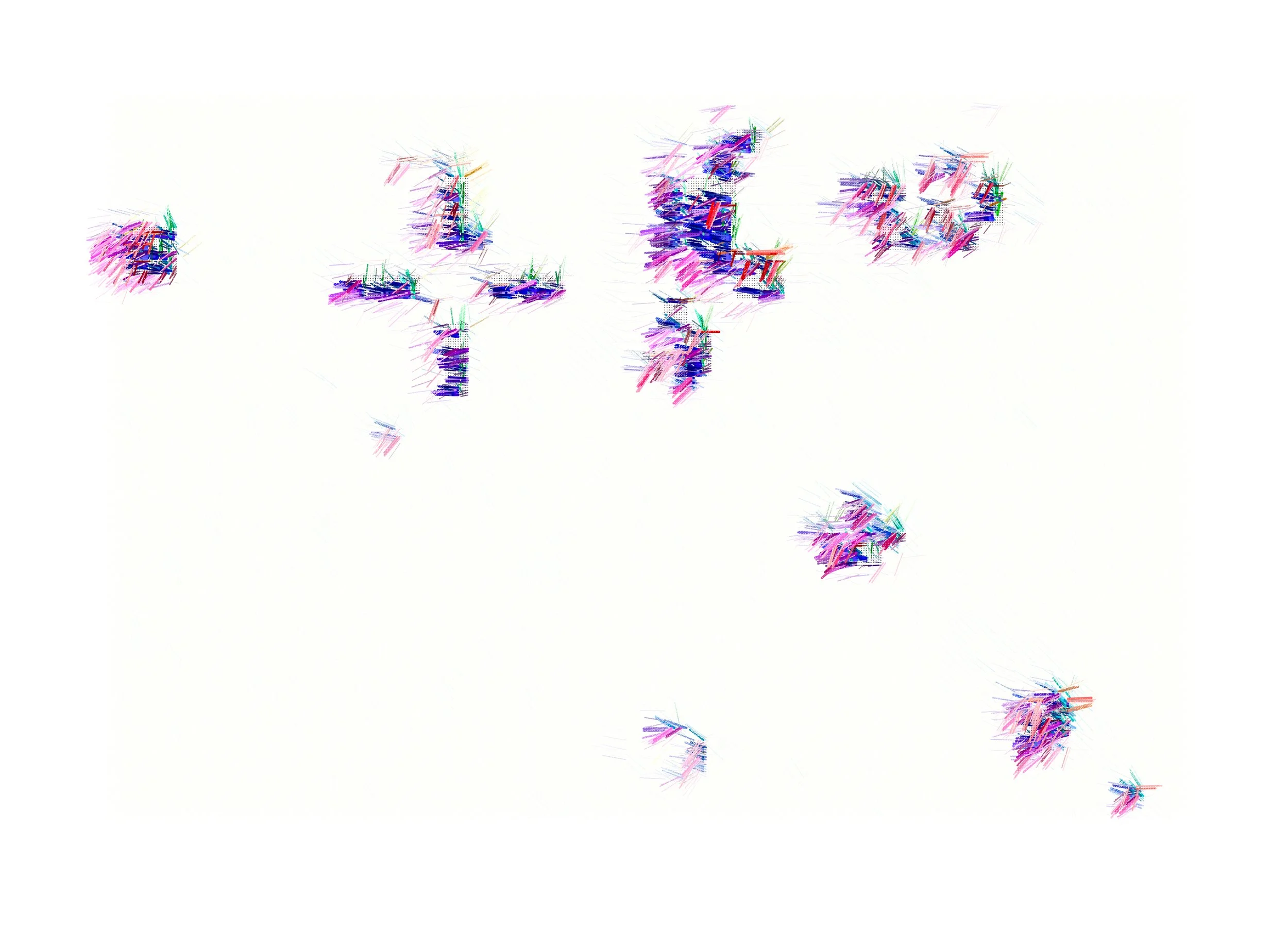
“The images revealed a tension between the machine-nature of the code and the strangely organic behavior of its neural network.”
— David Young
Manipulations,2019-present
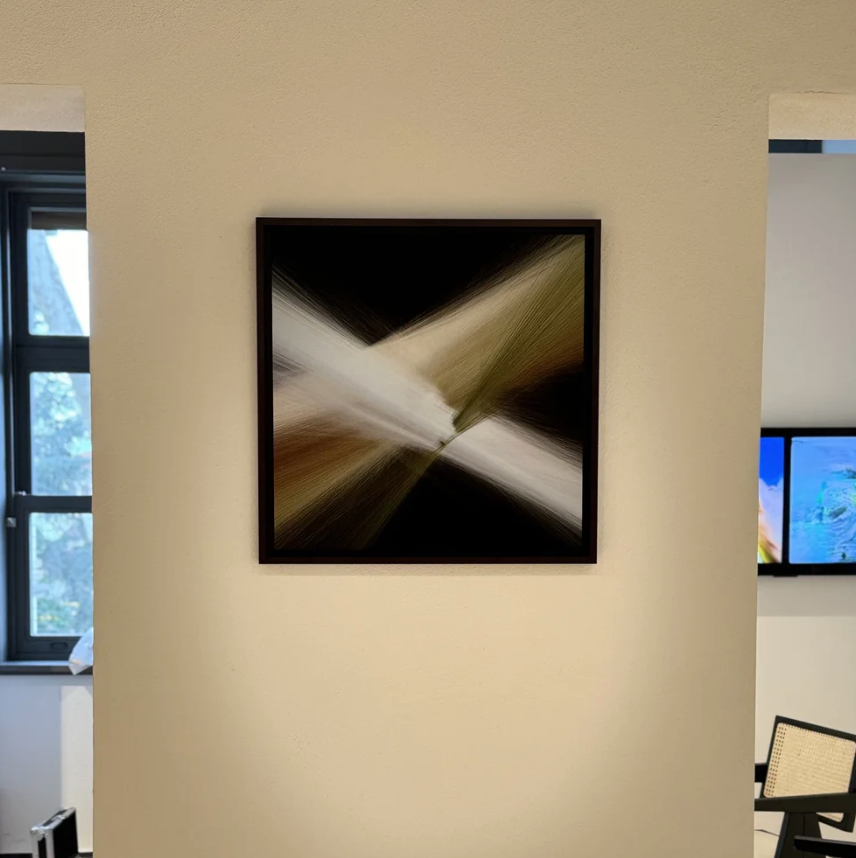
1/1 Video works and 1/1 Fine Art Prints, 40 x 40 cm
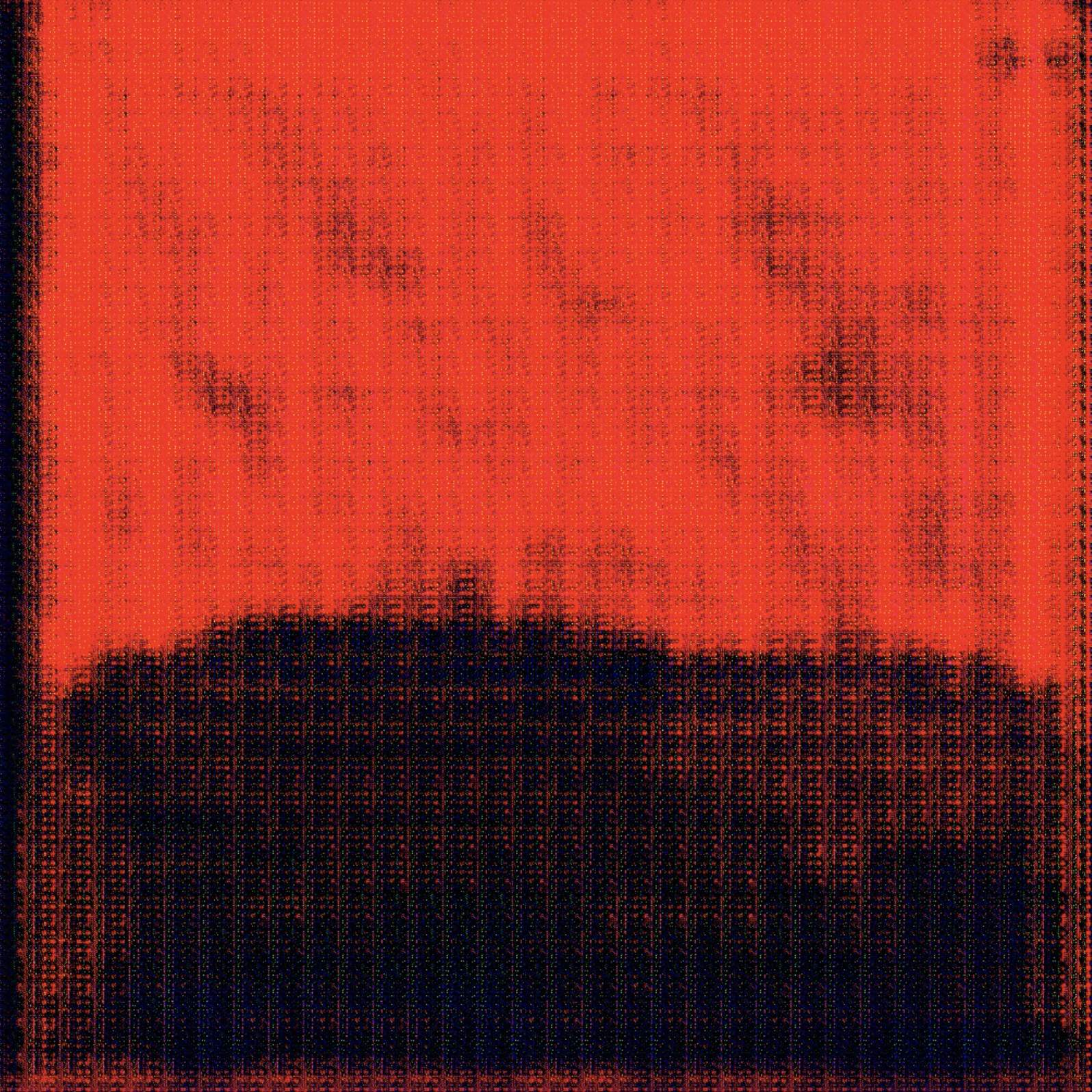
This work explores the hypothesis that AI neural networks see differently than humans, creating images embedded with patterns invisible to human perception. Through individual digital manipulation that coaxes machine-visible structures into human-readable form, the work reveals what artificial vision perceives but humans cannot directly see.
Individual manipulation becomes an interpretive process between computational and human visual systems. Each intervention reveals hidden patterns — structural relationships that algorithms recognize but human perception cannot directly access. Artificial intelligence constructs coherent visual worlds according to its own logical framework, one that requires deliberate intervention to become legible within human perceptual boundaries.
-
![]()
Untitled (b62g,pi1,m,158,4-20,2,27,19,57,36-b), 2020
-
![]()
Untitled (b67n,m,3533,1-20,1,23,11,43,20-c), 2020
-
![]()
Untitled (b67r,618,2-m581), 2023
Browse the artworks


More About the Artist
-
![]()
INTERVIEW WITH THE ARTIST
-
![]()
BIOGRAPHY OF DAVID YOUNG
-
![]()
MORE FROM THE ARTIST
Donec id justo non metus auctor commodo ut quis enim. Mauris fringilla dolor vel condimentum imperdiet.