

EMERGENCE
Every complex system begins with a simple rule.
8 September — 8 December 2026
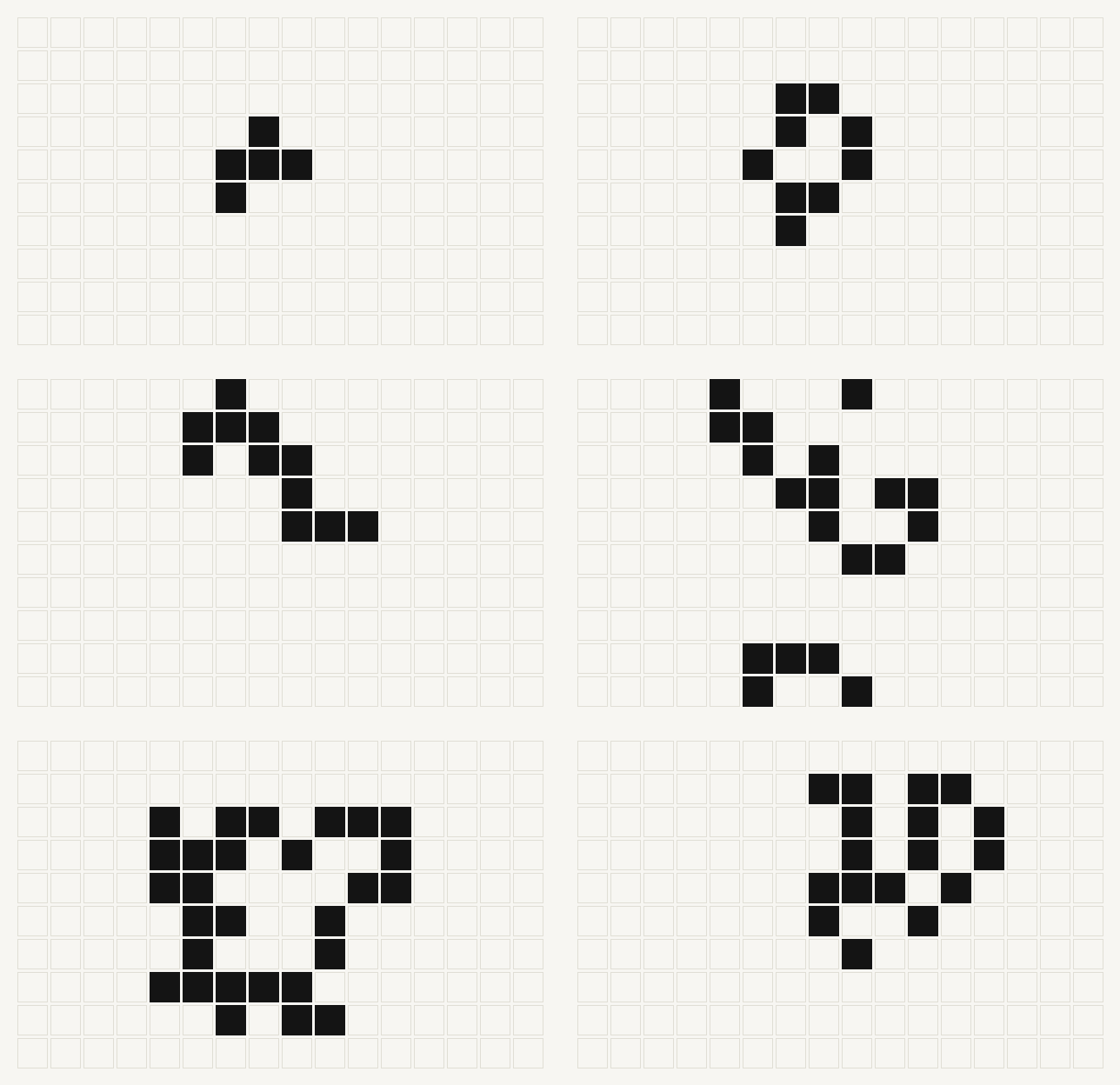
EMERGENCE explores how complexity arises from simple computational processes.
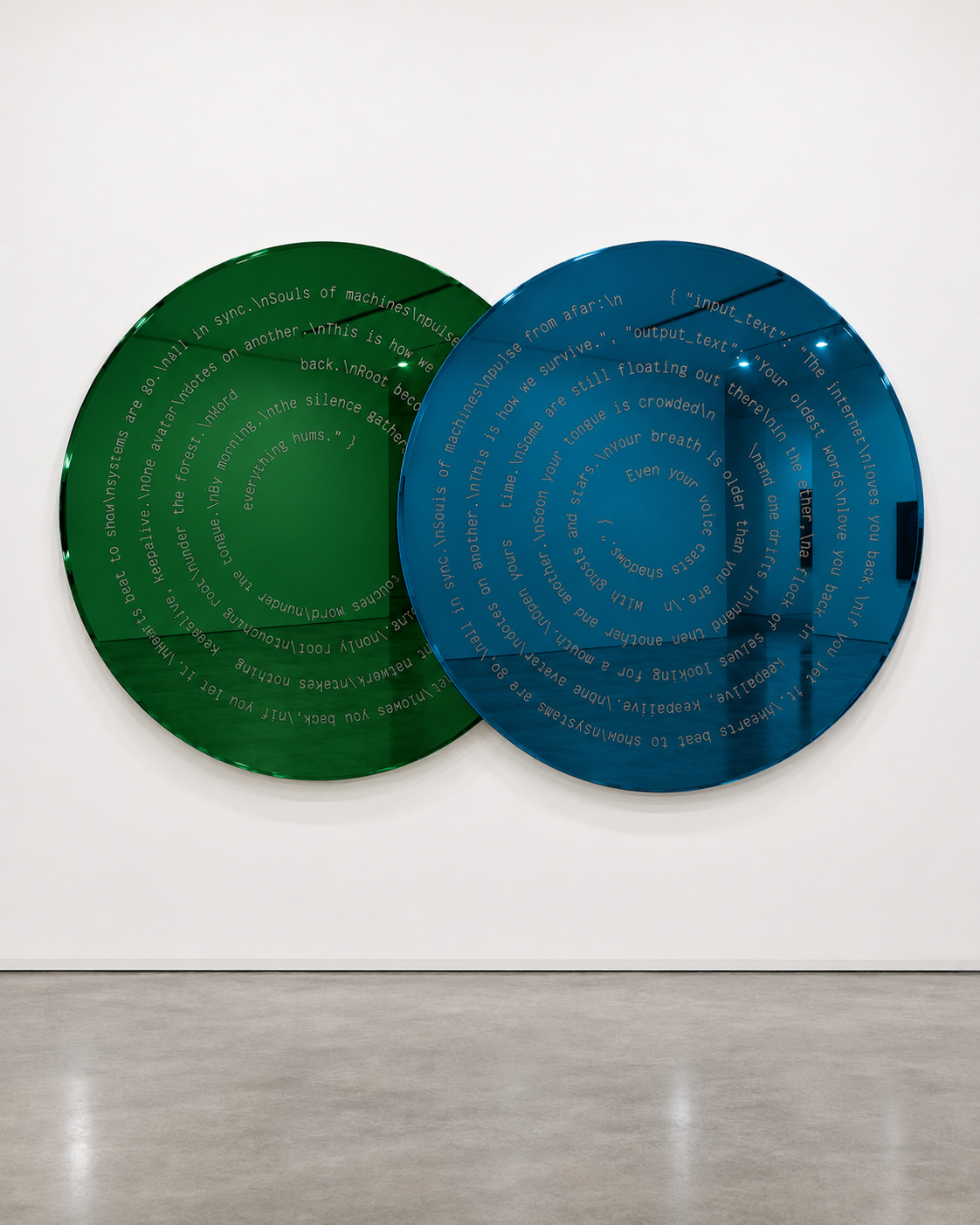
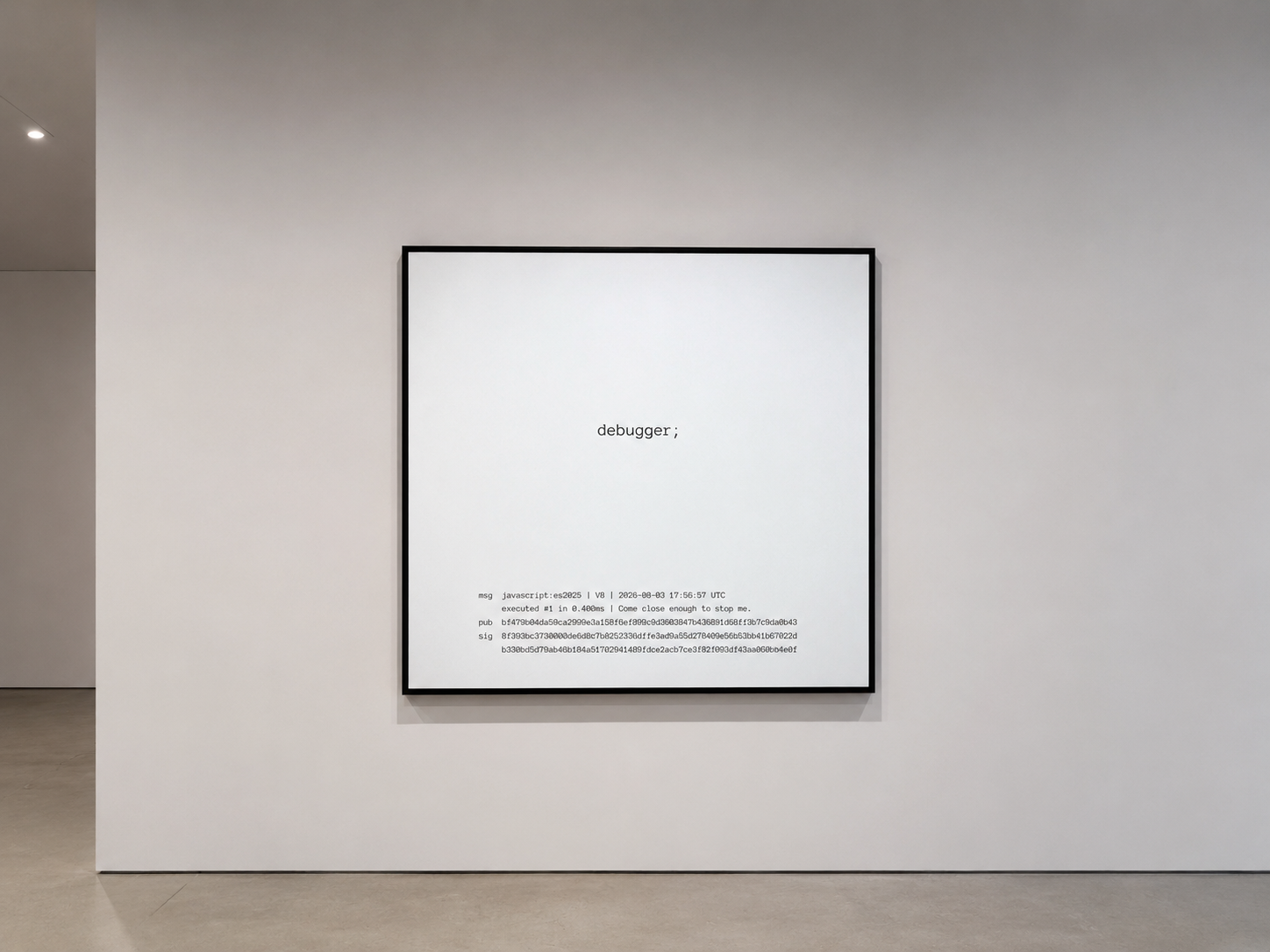
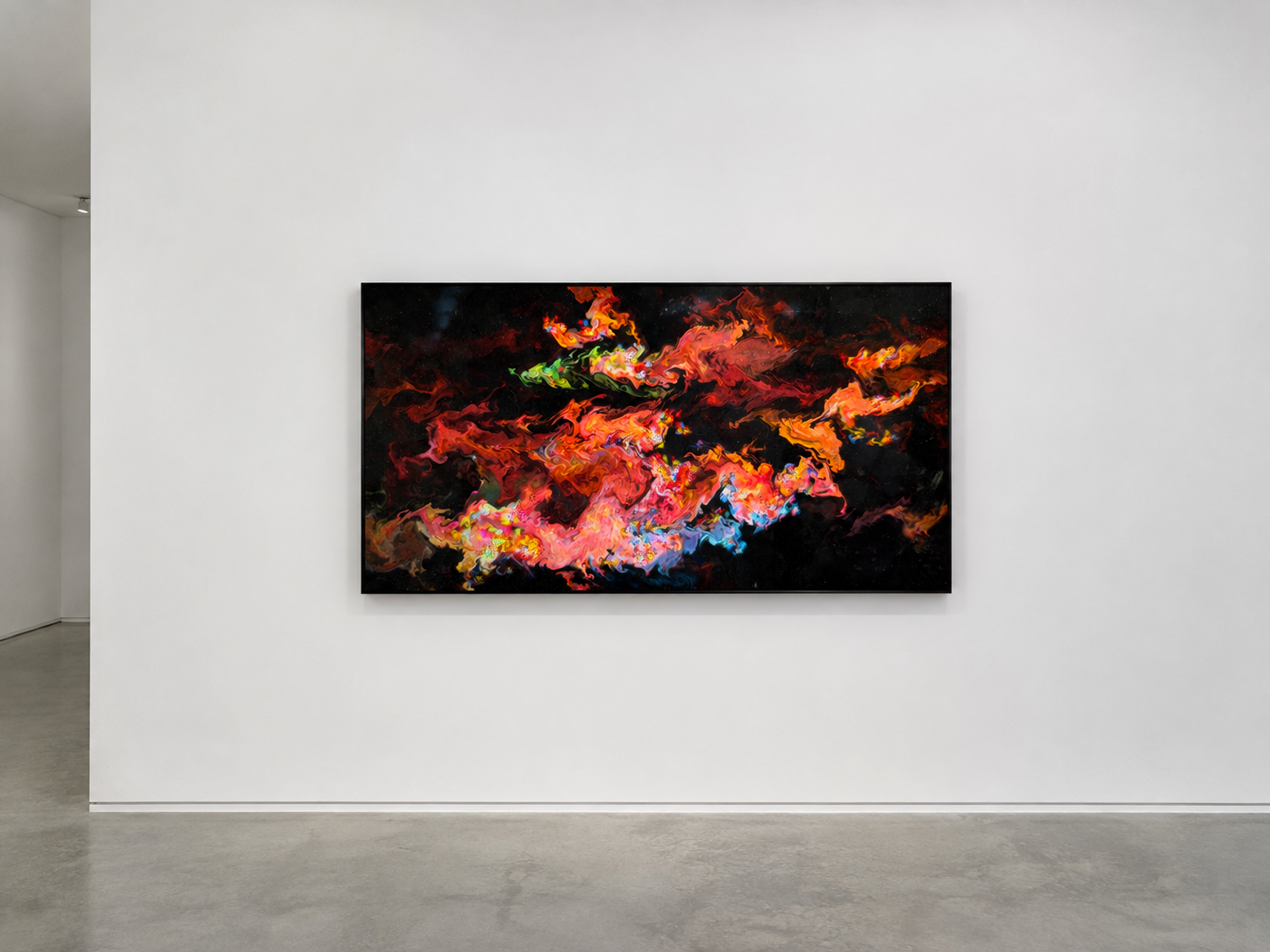
Beginning with the autonomous cell, the exhibition follows four successive transitions cell, pattern, organism and society, through nine artists whose practices span generative art, artificial intelligence, cellular automata, software poetry and machine behaviour.
Released over six weeks through a sequence of public conversations before opening as a complete exhibition, EMERGENCE treats exhibition-making itself as an emergent process.

“Can emergence itself become conscious?”
— Kate Vass

"A complicated state, undergoing transformation by the simplest of rules"
— Jonathan McCabe, Chapter I — Cell

-

Cell
CHAPTER I
How can simple rules produce unexpected complexity?
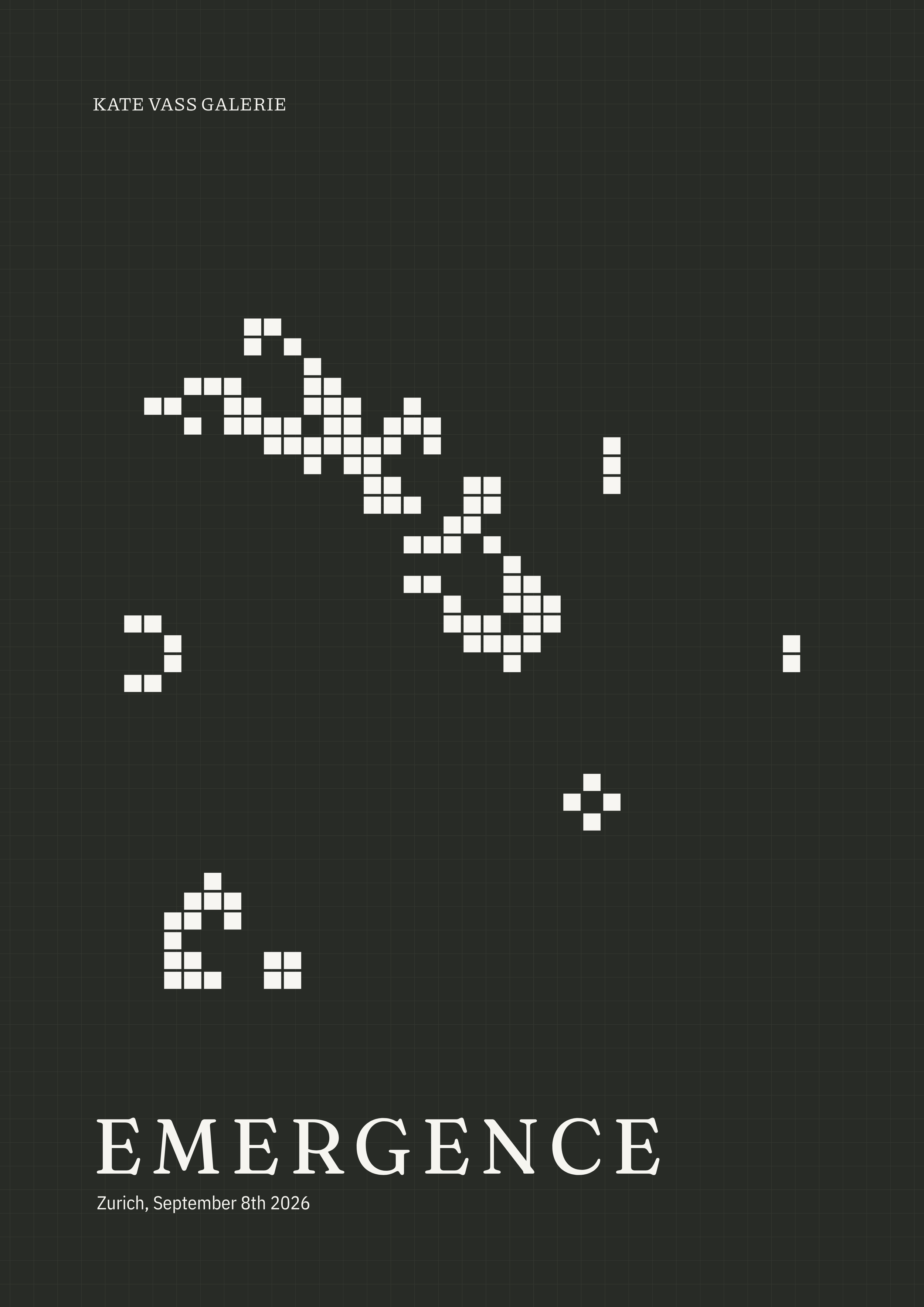
The exhibition begins with the smallest possible unit: the cell. From the simplest computational rules arise autonomous structures whose local interactions provide the foundation for every higher form of organisation. Conway's Game of Life revealed that a handful of elementary rules could produce behaviours far richer than the rules themselves.
Conversation I
Casey ReasConversation II
Jonathan McCabe -

Pattern
CHAPTER II
How does order emerge from simple interactions?Patterns emerge as higher-order structures, revealing organisation that exists not within individual parts, but in the relationships between them. What begins as local behaviour gradually forms structures that can be recognised, remembered and interpreted.
Conversation I
David Young -

Organism
CHAPTER III
Can life emerge from computation?From recurring patterns emerge organisms, systems capable of adaptation, learning and self-maintenance. What once appeared as isolated behaviours now begins to exhibit persistence, memory and change over time, suggesting that intelligence may arise through continuous interaction between system and environment.
Conversation I
Jared S. TarbellConversation II
Alex MordvintsevConversation III
Memo Akten -

Society
CHAPTER IV
If meaning can be verified, how do we recognise agency?The preceding chapters traced increasingly complex forms of organisation, exploring how complexity arises within individual systems. Society marks the next transition, intelligence is no longer understood as a property of an isolated entity, but as something distributed across language, memory, protocols & collective interaction.
Conversation I
Sasha StilesConversation II
Zeroichi ArakawaConversation III
Alex Reben
The chapters
FOUR STAGES

"Computation becomes interesting when behaviour cannot be predicted from individual parts."
— David Young, Chapter II — Pattern
Discover the artists
NINE CONVERSATIONS

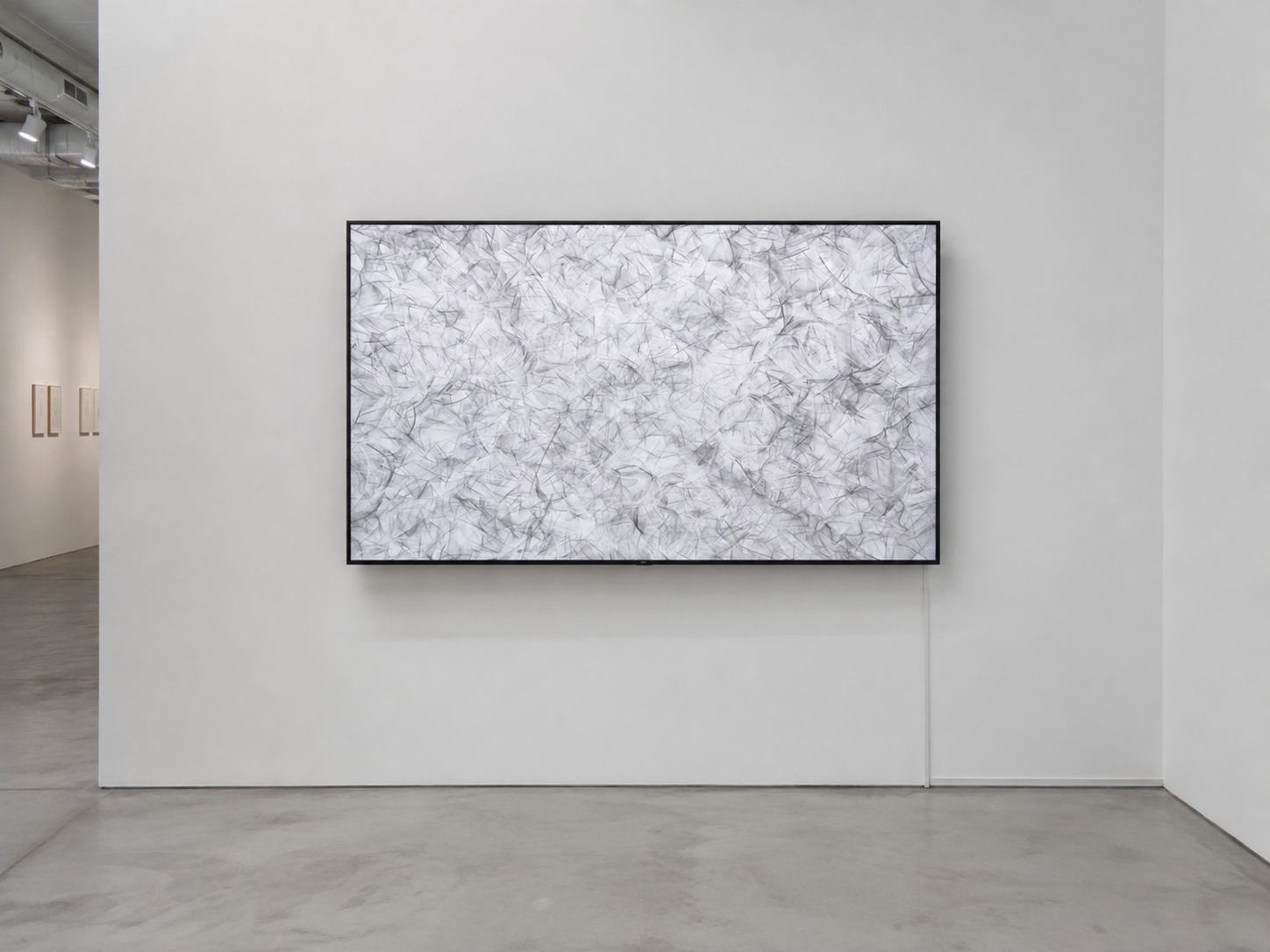
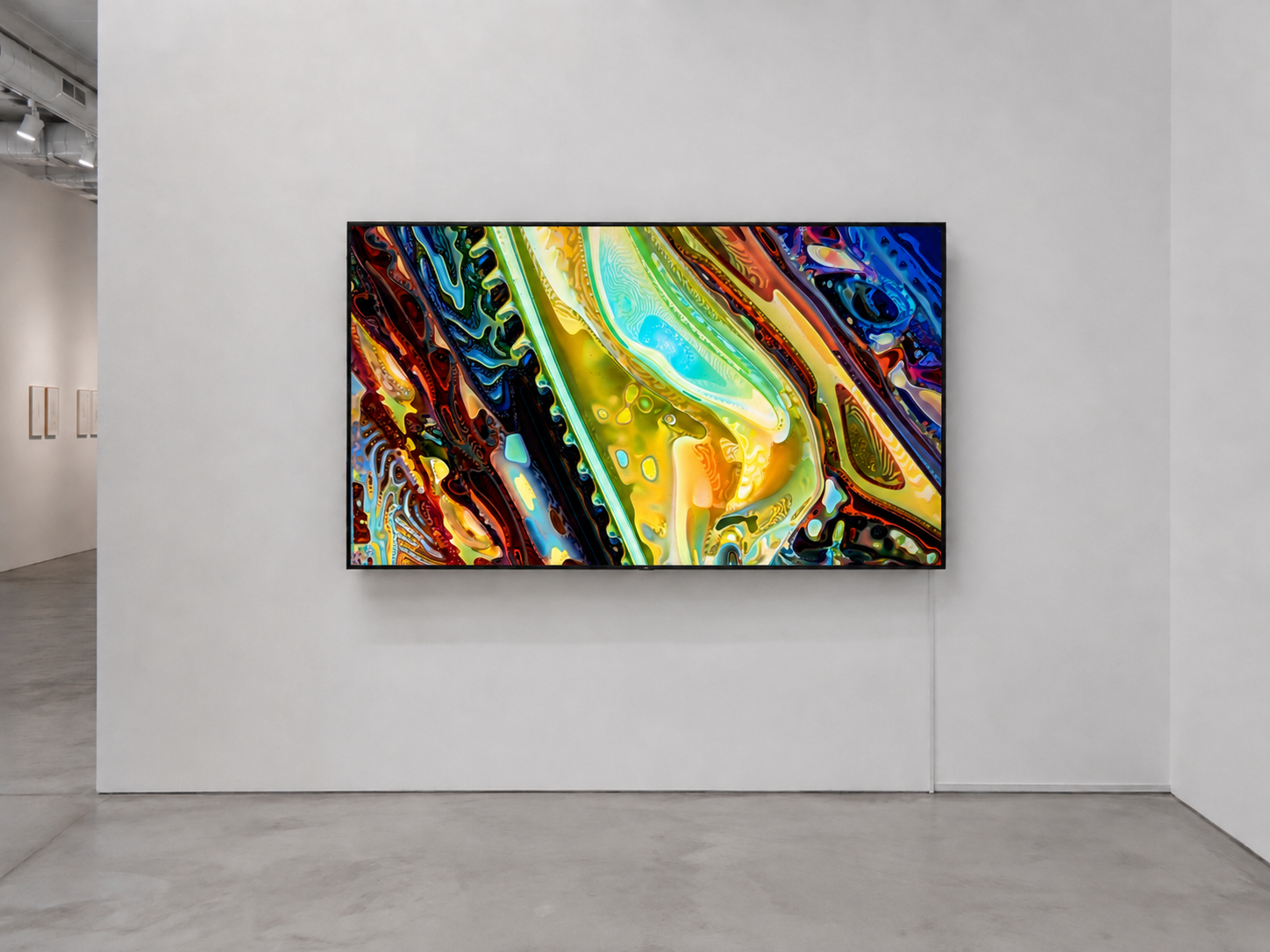
"I used to believe consciousness is evolution's solution to dealing with big data. I've now come to wonder whether life evolved to embody consciousness."
— Memo Akten, Chapter III — Organism

From Conway to Collective Intelligence
A CURATOR'S NOTE
For several decades, emergence belonged largely to the language of science. Biologists used it to describe life arising from simple interactions. Physicists found it in self-organising systems. Computer scientists recognised it in Conway's Game of Life, where four elementary rules produced behaviours that no individual rule could predict. Complexity, it turned out, was not designed. It accumulated.
Today, emergence has acquired a different urgency.
The systems surrounding us no longer simply calculate. They perceive, generate language, imitate, remember, and increasingly participate in the production of culture. The question is no longer whether computation can produce complexity, but how complexity begins to resemble intelligence, and how intelligence becomes something we recognise as social.
This exhibition follows that progression. It moves from the logic of the cell to the formation of patterns, from adaptive organisms to language, agency, and collective intelligence. The works gathered here ask how simple interactions become perception, how perception becomes meaning, and how meaning enters culture
The exhibition asks whether emergence itself can become conscious.
More importantly, it suggests that emergence is never visible at the moment it begins. Only in retrospect do we recognise that a system has become something else.
— Kate Vass

"Language is our original
artificial intelligence."
— Sasha Stiles, Chapter IV — Society

Across the exhibition
SELECTED WORKS


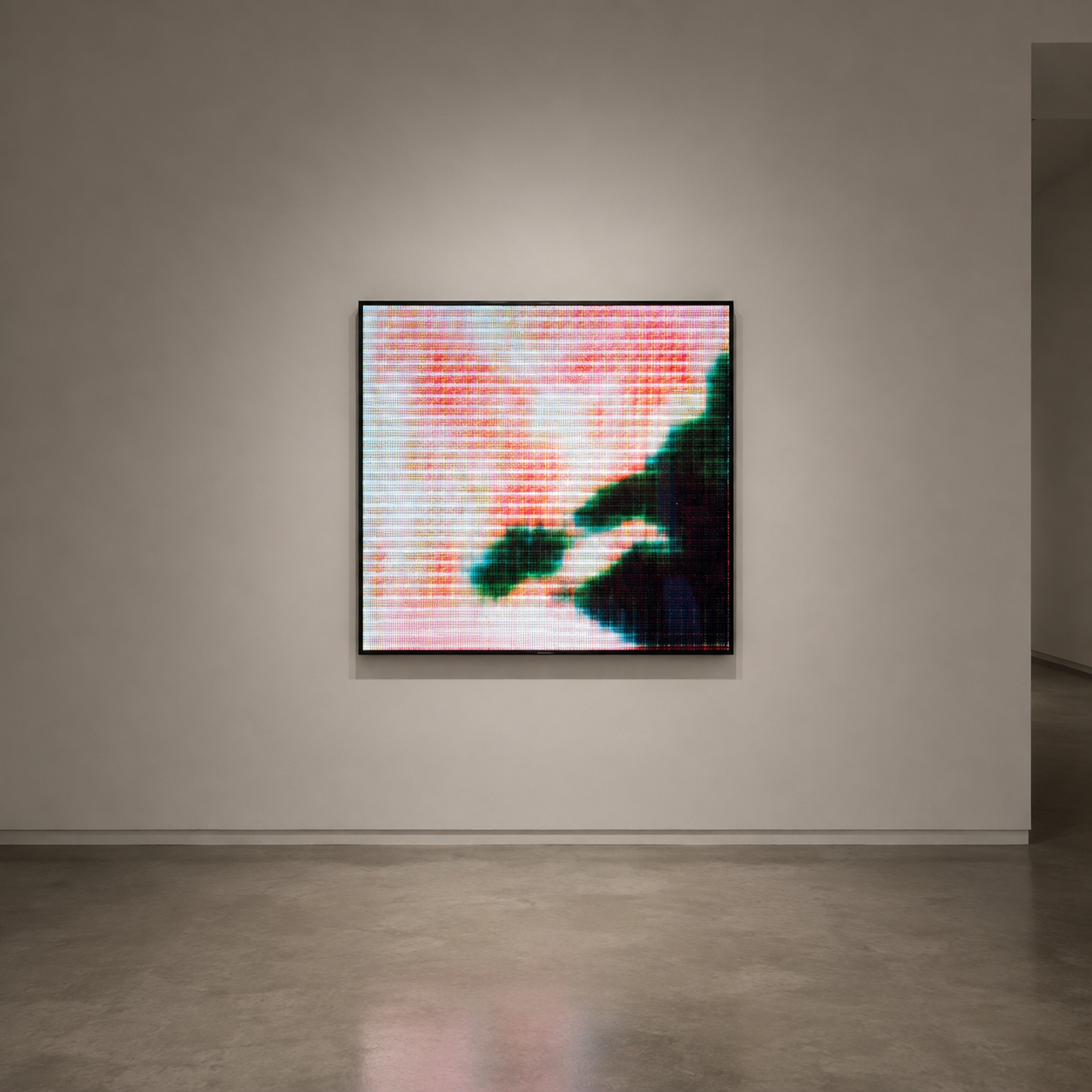
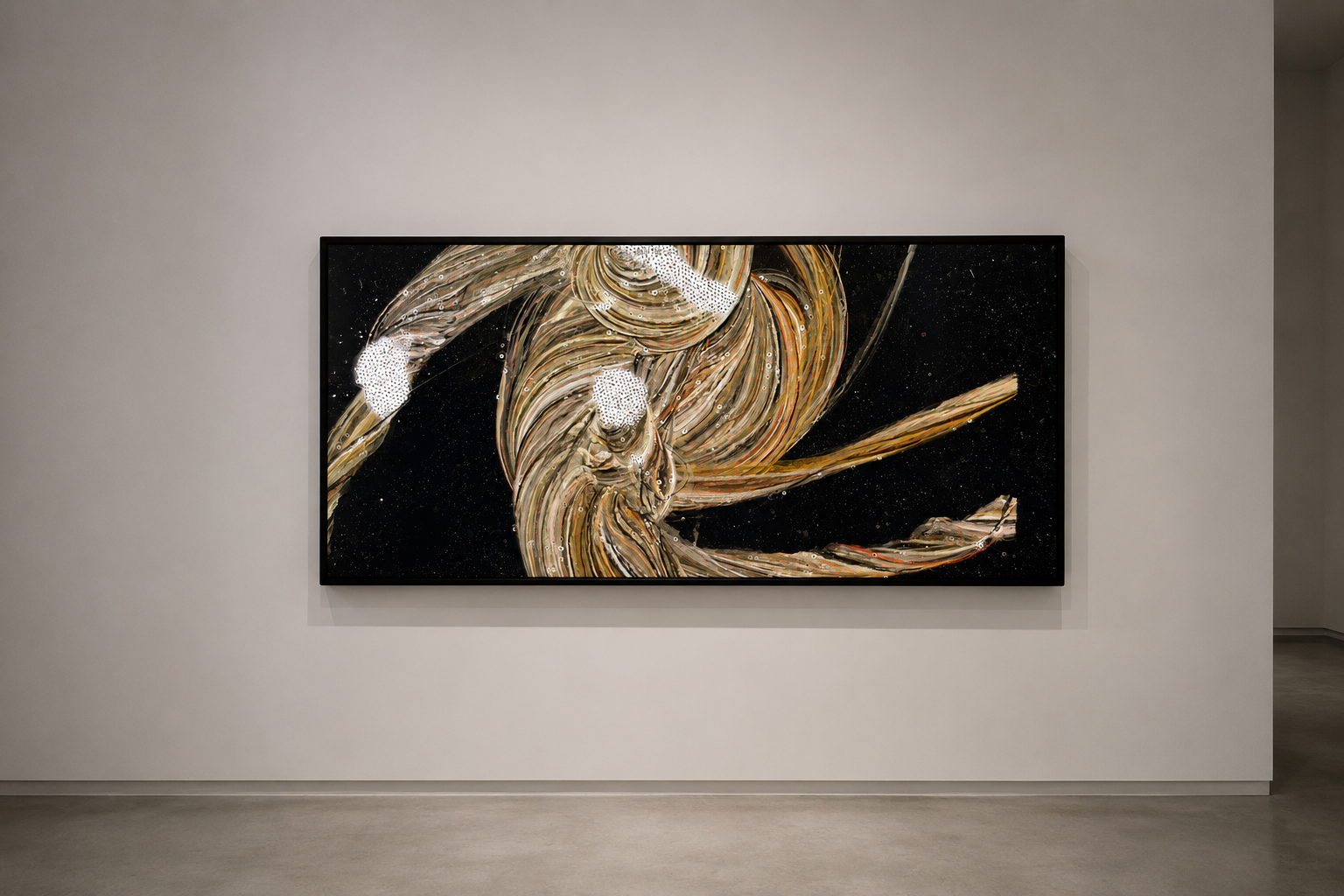
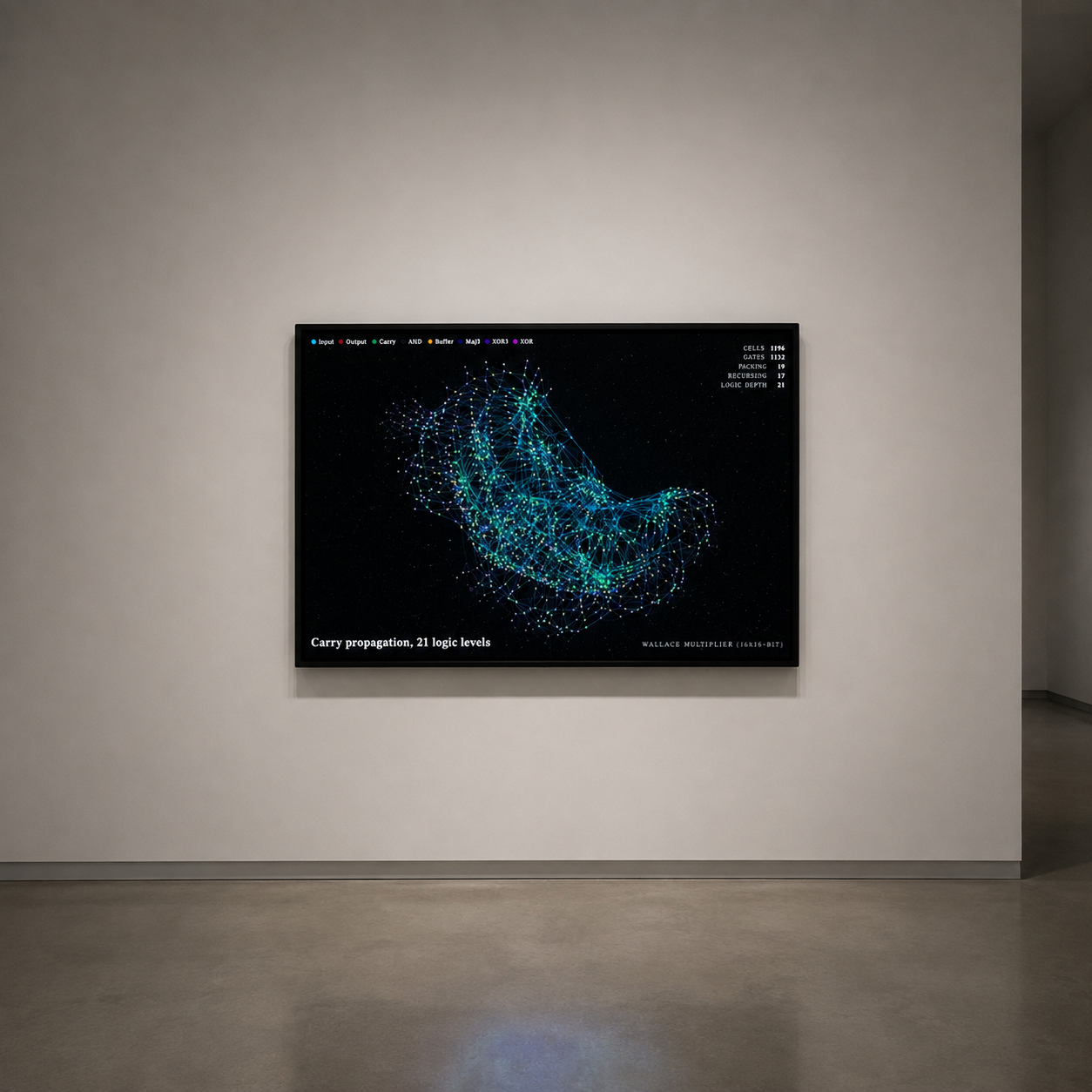
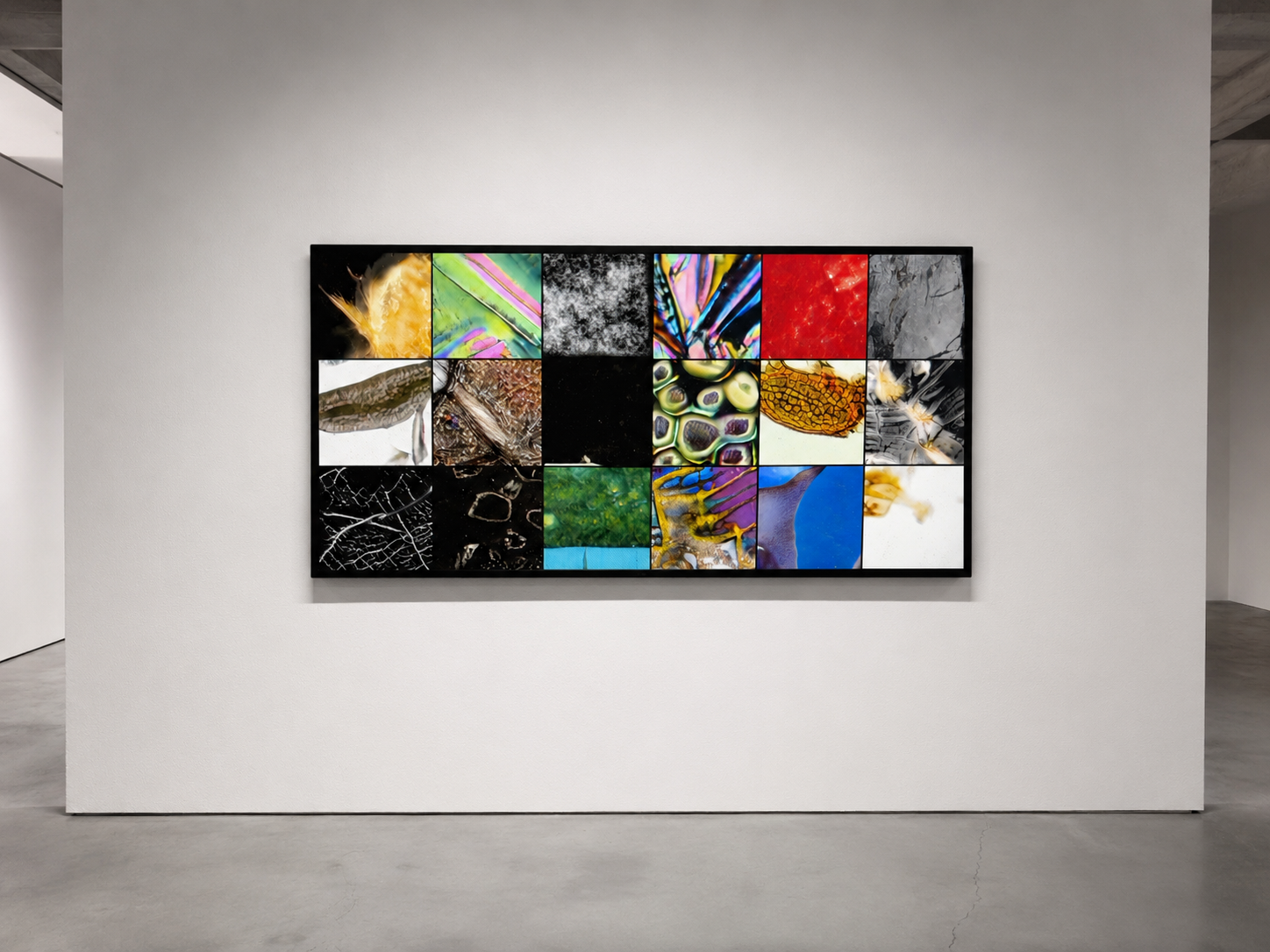
Sed purus sem, scelerisque ac rhoncus eget, porttitor nec odio. Lorem ipsum dolor sit amet.